



Corporate Retreat Budget Template: Plan Your Costs Per Person
Build a corporate retreat budget with a copyable worksheet, a worked example and checks for package inclusions, transport, taxes and per-person costs.

The day sounds right for your team. Now you need a number you can take to the person approving it.
That number is rarely just the price on the first proposal. Someone needs a transfer. A few colleagues may stay overnight. Lunch might already be included, while an extra hour of service is not. A useful corporate retreat budget template brings those details together before they become surprises.
Use the worksheet below to build your own estimate. Start with the experience you want people to share, then add the practical costs of getting everyone there and looking after them. Every price should come from your suppliers; the worked example later in this article is deliberately fictional.

A corporate retreat budget template you can copy
Copy this table into Excel or Google Sheets. Add a quantity, unit price and supplier reference to each line. Keep an unknown cost marked “To confirm”; enter zero only when you know the item is unnecessary or already included elsewhere.
| Budget line | How to calculate it | What to confirm |
|---|---|---|
| Programme or venue package | Quoted package total, or quoted rate × billable guests | Minimum spend, included sessions and spaces |
| Additional food and drinks | Guests × extra catering rate | Only items outside the package |
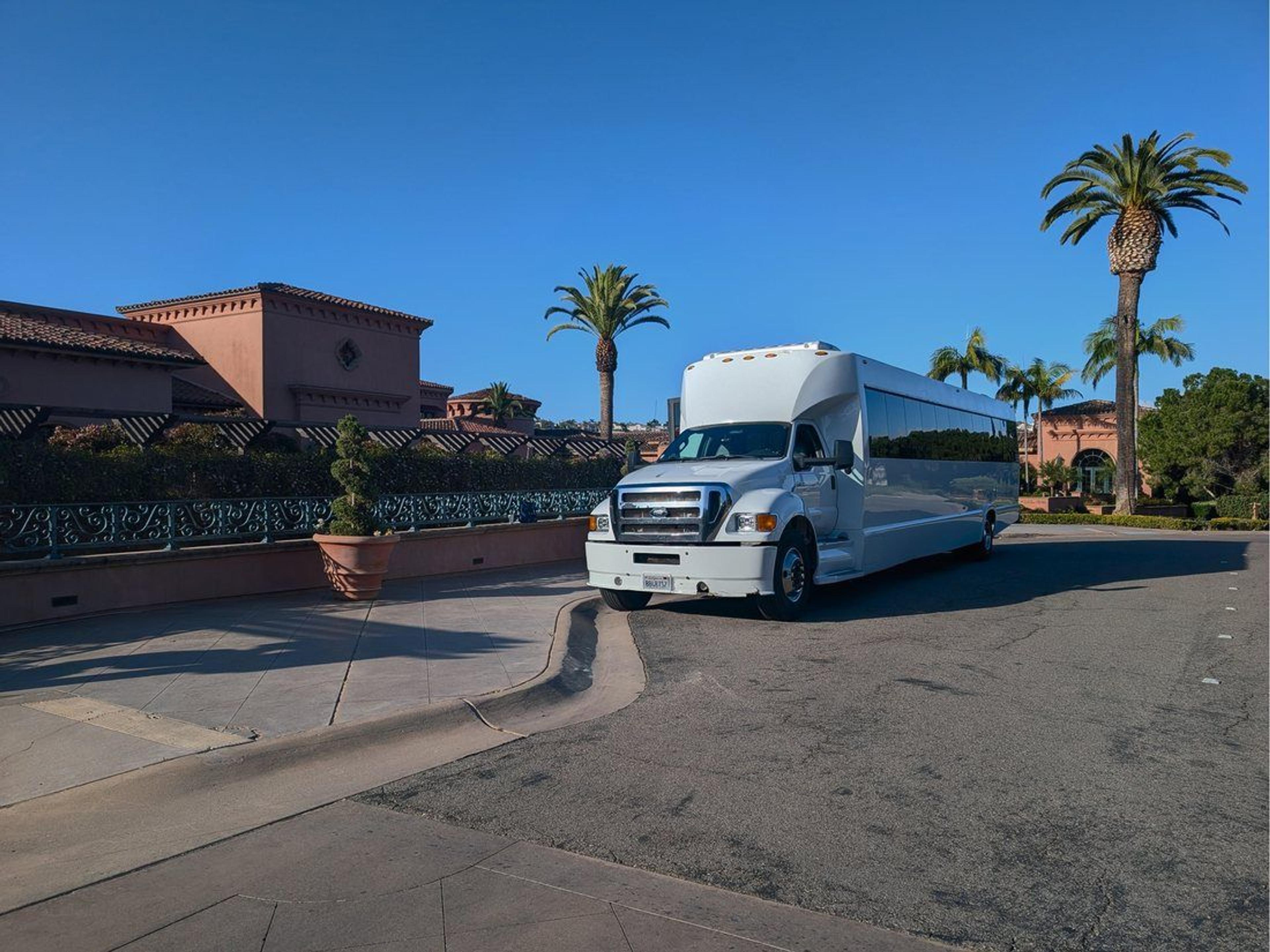
| Transport | Vehicle quote × vehicles or trips required | Route, hours, capacity, waiting and parking |
| Accommodation | Rooms × nights × room rate | Applicable fees and room-block terms |
| AV and rentals | Quoted extras | Equipment already included in the venue |
| Taxes and service charges | Supplier-confirmed amounts | Which charges are already in other totals |
| Other extras | Itemised quotes | Photography, gifts or additional services you choose |
| Subtotal | Sum of the cost lines | No duplicate inclusions |
| Contingency | Subtotal × your chosen allowance | What uncertainty the allowance covers |
| Total budget | Subtotal + contingency | Complete scope and current headcount |
| Cost per attendee | Total budget ÷ attendees | Use actual expected attendance, not venue capacity |
Beside the table, record the event date, expected headcount, quote date and whether each amount is estimated or confirmed. That makes it easier to update the budget when a supplier responds without losing track of where the number came from.
Start with the day you actually want to have
Picture the point in the day you most want your colleagues to enjoy. It might be working through a shared challenge, hearing a speaker together or sitting down to a meal after a busy morning. Protect the parts that matter to the group, then decide how much else the schedule needs.
A local day event and an overnight retreat have different cost structures. Overnight plans add room-nights and often more transport and meals. A day programme still needs enough travel time and a realistic start and finish. Neither is automatically the right choice.
If you are still choosing the format, the San Diego corporate retreat guide can help you narrow the setting. For a broader discussion of pricing factors, use the retreat cost guide alongside this worksheet.
Separate fixed costs from costs that grow with the group
A fixed fee stays the same within the conditions of a quote. A per-person charge changes with the number of billable guests. Some costs move in steps: adding one more attendee might mean another vehicle or a different room, rather than one more individual fare.
Ask suppliers how the quote changes if your group grows or shrinks. A minimum guarantee can mean that fewer attendees do not reduce the invoice. Your budget should reflect the agreed billing basis, even if you use expected attendance to explain the overall cost per person.
A worked example for 50 attendees
These are invented figures to demonstrate the calculation. They are not EXCP prices, market averages or an offer. Imagine a local day event with no overnight stay. The fictional programme quote includes catering, so it is counted once.
| Illustrative item | Amount (USD) |
|---|---|
| Programme package, including catering | $6,000 |
| Transport | $1,000 |
| Additional rentals | $300 |
| Taxes and service charges outside the package | $500 |
| Other agreed extras | $200 |
| Subtotal | $8,000 |
| Illustrative 10% contingency | $800 |
| Total budget | $8,800 |
| Total ÷ 50 attendees | $176 per attendee |
If 40 people attend and the same $8,800 budget still applies, the cost becomes $220 per attendee. That is why a per-person figure needs a headcount beside it. It is also why you should ask which costs would change before simply dividing an old quote by a new guest total.
Check package inclusions before adding more lines
When several parts of the day come in one package, the budget gets simpler only if you know what is inside it. Read the programme description and the estimate together. Mark each item as included, extra or still to confirm.
For an EXCP event, use the Camp Pendleton package comparison to start the conversation. Then work from your written proposal for the final combination of activities, hospitality, spaces and transport. Do not price the package and then add its included lunch or equipment a second time.
Keep the payment calendar separate from the event cost
Your finance team may need to know both what the event costs and when money is due. Make a short payment calendar beside the budget with the supplier, deposit, balance and due dates from the agreement.
A deposit is normally a part-payment towards an agreed charge, not another cost to add on top of the same full invoice. Confirm how it is credited and what the cancellation or rescheduling terms say. Record the deadline for final guest numbers, too, because that can affect the amount you owe.
Compare proposals on the same basis
Put both options against the same headcount, duration and requirements. One quote may include the room, equipment and meal while another lists only an activity. The headline prices will not tell you which meets your brief.
Our guide to comparing retreat proposals walks through those questions. Once you have a preferred option, attach the completed budget and a short explanation of why it fits the team when seeking approval.
Questions about retreat budgets
How much contingency should we allow?
Choose an allowance that reflects what remains uncertain and your company's budgeting approach. The 10% in the example is only an illustration. An allowance does not replace checking missing prices or confirming what a supplier includes.
Should accommodation go in a one-day retreat budget?
Include it if your team's travel plans require an overnight stay. A one-day programme does not mean that every attendee can travel there and back the same day. Confirm lodging separately rather than assuming it comes with the event.
How do we avoid underestimating the total?
Keep unknown costs visible, ask for written inclusions, check the billing headcount and distinguish taxes already included from additional charges. Do a final review after the programme and transport arrangements are agreed.
Turn your estimate into a plan
Bring your preferred date, approximate group size and budget range to the EXCP team. A proposal for your own requirements is more useful than trying to make your day fit somebody else's example. The Camp Pendleton booking guide explains what to confirm next.
Written by
Rene Diaz
President
Four packages
Bring your
team here.
Half a day to a full day, from a history session and lunch to both venues, beach team building and a reception on the deck.