

12 Corporate Holiday Party Themes That Aren't Tacky
Compare 12 polished corporate holiday party themes, with venue, food, decor and activity guidance for an inclusive year-end event.
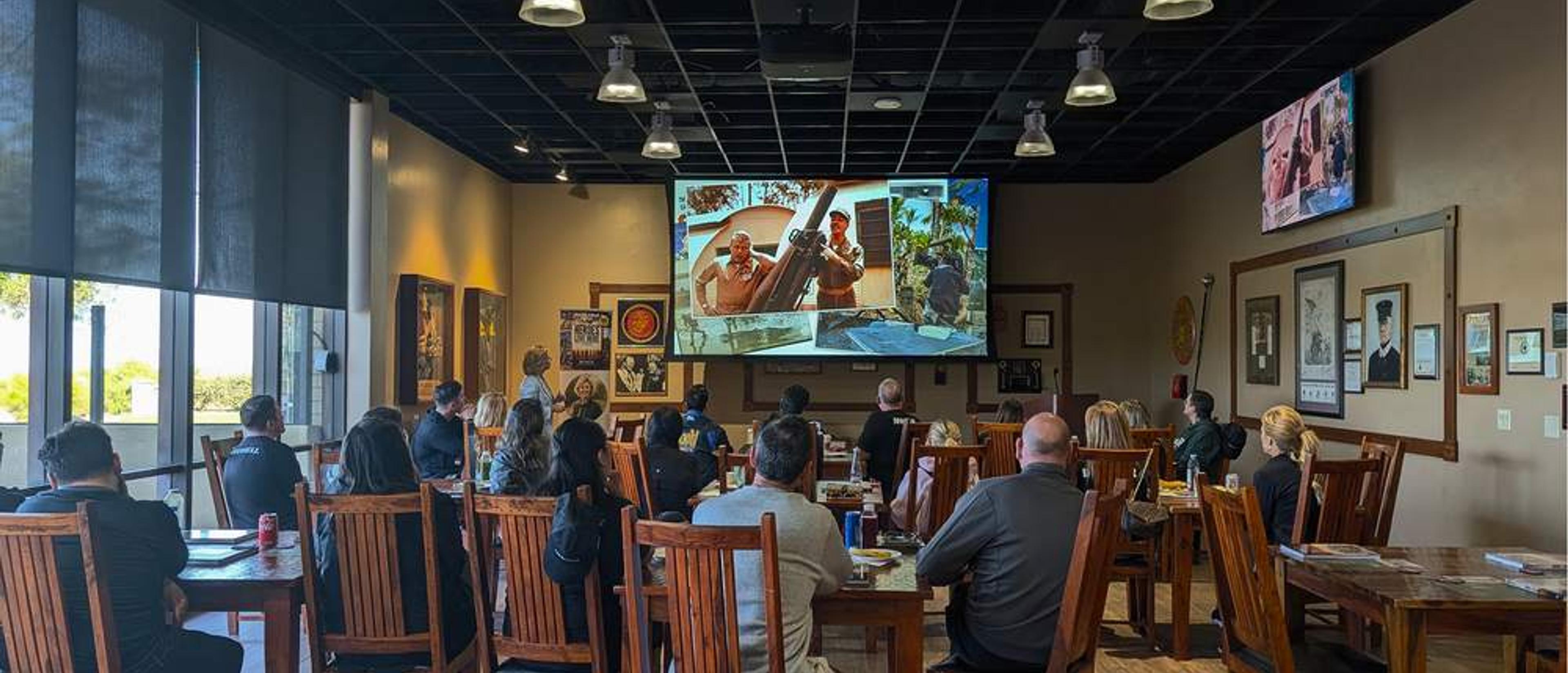
The best corporate holiday party themes are simple enough to explain in one sentence and useful enough to guide real decisions. A good theme tells the venue, caterer, producer and host what the evening should feel like. It does not require employees to wear costumes, perform enthusiasm or share a religious tradition.
Start with the setting and one desired feeling—warm, curious, celebratory, restorative or purposeful—then carry that choice through lighting, materials, food, music and one optional interaction. If the concept needs a truckload of novelty props to make sense, it is probably decoration rather than a theme.
TL;DR: For a polished corporate holiday party, choose a theme that already fits the venue. Coastal winter supper, modern supper club, California winter garden and after-hours gallery are strong social options. A year-in-stories or recognition salon works when appreciation is the purpose. Use two or three repeated design cues, one clear dress note and one optional activity. Avoid costumes, fake cultural motifs, compulsory gift exchanges and anything that turns employees into the entertainment.
On this page
- What makes a corporate holiday party theme useful?
- 12 corporate holiday party themes compared
- Setting-led themes
- Story and recognition themes
- Food, craft and play themes
- How to write a five-line theme brief
- How to keep the theme inclusive
- A setting-led Experience Camp Pendleton event
- Common questions
What makes a corporate holiday party theme useful?
A theme should solve decisions, not create more of them. Use it as a filter for five parts of the event.
Setting: the room, outdoor space or hosted experience should do most of the visual work. A historic venue does not need to be hidden under rented scenery; a modern studio should not be forced to resemble a chalet.
Palette and materials: choose two or three repeated cues, such as amber light, evergreen foliage and natural linen. Repetition looks intentional. A pile of unrelated seasonal objects looks like inventory.
Food and service: the menu does not need novelty names. Let the theme affect the service rhythm—shared supper, tasting stations, small plates or a seated meal—while dietary and religious needs remain easy to manage.
Sound and pace: an event can feel like a lounge, an open house, a dinner or a daytime retreat. Music volume, seating and the number of programmed moments determine that more than decorations do.
One interaction: add one optional element that supports the concept. A year-in-stories event might use an edited gallery; a makers' market might include short demonstrations. Five unrelated activities dilute the idea.
If you have not chosen the event format yet, start with the company holiday party ideas guide. If the company specifically wants a Christmas event, use the work Christmas party guide rather than disguising one tradition as a universal holiday theme.
12 corporate holiday party themes compared
| Theme | Overall tone | Best venue fit | Organizer lift | One element to avoid |
|---|---|---|---|---|
| Coastal winter supper | Relaxed and elevated | Waterfront room or terrace | Medium | Nautical props |
| California winter garden | Bright and generous | Courtyard, conservatory or indoor-outdoor venue | Medium | Fake snow |
| Modern supper club | Warm and conversational | Restaurant, club room or loft | Medium | Forced glamour |
| After-hours gallery | Curious and social | Museum, gallery or architectural venue | Medium | Filling every minute |
| Year in stories | Reflective and specific | Flexible venue with wall space | Medium | An awards marathon |
| Recognition salon | Appreciative and calm | Dinner room or lounge | Low to medium | Popularity contests |
| Fireside ideas salon | Thoughtful and intimate | Lodge-like room or quiet hotel salon | Low | Fake rustic clutter |
| Makers' winter market | Active and local | Market hall, studio or warehouse | High | Cheap giveaway tables |
| Culinary studio | Participatory and hospitable | Teaching kitchen or food hall | High | Speed-based competition |
| Analog games lounge | Playful and low-pressure | Club room or flexible office | Medium | One loud tournament |
| Golden-hour terrace | Scenic and concise | West-facing terrace or coastal venue | Medium | Weather denial |
| Place, history and hospitality | Immersive and memorable | Hosted destination experience | Medium | Costume military theming |
These themes are creative directions, not fixed packages. The right choice depends on the group's purpose, the venue's natural strengths, the time available and the support needed for transport, accessibility and production.
Setting-led themes
These options let architecture, landscape and light do the heavy lifting. They are easier to make coherent because the venue already supplies the strongest visual cue.
1. Coastal winter supper
Best for: Southern California teams that want a seasonal event without pretending it is snowing.
Build the event around the actual coast: an early sunset, warm indoor light, textured linens, dark blue or sand-colored accents and a menu designed for sharing. Use candles only where the venue permits them and keep sound low enough for conversation. A short sunset welcome or acoustic set is enough programming.
The mistake is turning “coastal” into an assortment of anchors, rope and striped shirts. The Pacific, horizon and food already establish the place. Let the design acknowledge winter through warmth and timing, not imported clichés.
2. California winter garden
Best for: mixed-age or family-inclusive events that need daylight, movement and several seating choices.
Use seasonal greenery, citrus, herbs, soft white light and natural materials. A courtyard, greenhouse or venue with connected indoor and outdoor areas can support a relaxed lunch, open-house reception or early dinner. Add one small planting, wreath or table-garden demonstration only if it works for people who prefer to observe.
Do not use fake snow, flocked tropical plants or an all-white room that makes access routes hard to read. California has its own winter palette; the theme feels more credible when it uses it.
3. Modern supper club
Best for: recognition dinners and teams that want conversation rather than a large activity programme.
Think amber light, comfortable seating, a concise menu and live music that never competes with the table. Use a limited palette—perhaps oxblood, walnut and cream—and ask the venue to remove visual clutter rather than adding more decor. Build the schedule around an unhurried meal and two short moments of recognition.
“Supper club” should not become a compulsory black-tie performance. Publish a plain-language dress note, such as “festive business attire; jackets welcome, not required,” and avoid judging photographs by how glamorous employees appear.
4. After-hours gallery
Best for: teams that want an easy conversation starter and a venue with something worth exploring.
Use a museum, gallery, historic site or architecturally distinctive room. Offer one guided introduction, then let people explore at their own pace with food and seating nearby. Place conversation prompts at a few stops, not beside every object. The host can close with one short reflection that connects curiosity to the year ahead.
The venue is the attraction. Do not add a second theme, loud games or a dense agenda that prevents guests from seeing it. Confirm which spaces are accessible, whether drinks can move between rooms and when galleries must close.
Story and recognition themes
These themes work when the purpose is to help people understand the year, thank one another or hear a perspective they do not encounter in ordinary meetings.
5. Year in stories
Best for: growing, distributed or newly combined teams that need shared context.
Create an edited sequence of six to ten moments from the year: a customer problem solved, a hard trade-off, a quiet operational win, a community partnership or a product turning point. Use photographs, short captions and artifacts that have been approved for internal display. Let small groups browse before dinner, then invite two or three brief stories from people closest to the work.
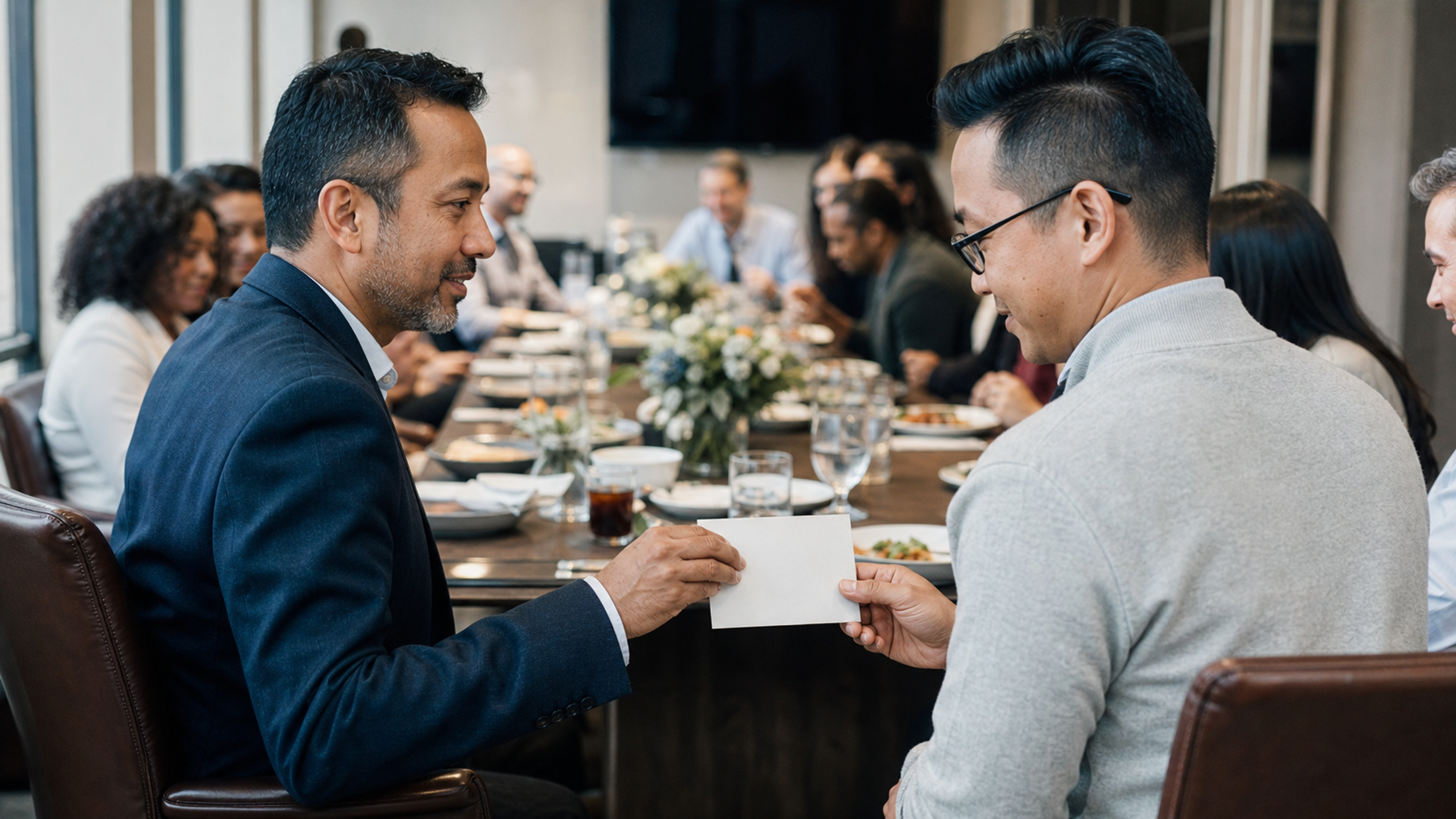
This is not a slide deck printed on walls. Keep metrics subordinate to the human decision or learning. Include contractors, support teams, new employees and work that prevented problems; otherwise the gallery simply repeats the company's usual status hierarchy.
6. Recognition salon
Best for: companies whose main objective is specific, credible appreciation.
Design small seating clusters and collect examples of contributions before the event. A host can group recognition around behaviors the company wants to reinforce—calm ownership, generous collaboration, craft or customer care—rather than handing out dozens of novelty trophies. Pair the formal moment with written notes that people can keep privately.
Avoid superlatives such as “most dedicated” or public votes that turn recognition into a popularity contest. The employee appreciation event guide explains how to make praise specific and equitable.
7. Fireside ideas salon
Best for: leadership groups, client-hosting events and teams that prefer a thoughtful daytime or early-evening gathering.
Use a quiet room, warm light, comfortable chairs and one well-briefed interviewer. Invite a speaker whose experience connects to a real question facing the group. Keep the conversation to 30 or 40 minutes, collect questions in more than one format and follow it with food rather than another presentation.
The “fireside” is a pace, not a pile of faux-rustic signs. A real fireplace is optional. What matters is good sound, close sight lines and a host capable of drawing out practical stories instead of a polished keynote reel.

Food, craft and play themes
These themes give guests something to do, but the participation should remain optional and the event should still work for someone who mainly wants to talk with colleagues.
8. Makers' winter market
Best for: an open-house format with flexible arrival and a preference for local suppliers.
Invite a small, curated group of makers or community partners. Each station should offer something worth learning—a demonstration, a material story or a short hands-on step—not merely a branded shopping table. Use one visual system for signage and packaging so the room feels like one event.
Avoid filling the venue with disposable trinkets. Pay vendors fairly, explain whether employees receive a spending allowance and provide a non-shopping route through the event. “Local” should describe the suppliers, not serve as vague decoration.

9. Culinary studio
Best for: teams that enjoy making and sharing something, with two to three hours available.
Work with a professional kitchen or caterer to divide the guest experience into meaningful roles: preparation, plating, menu notes, non-alcoholic drinks, table setting and service timing. The group can finish with a shared meal rather than a judging panel. Let professionals retain control of food safety, heat and specialist equipment.
Do not make speed, knife skill or dietary disclosure the entertainment. Collect needs privately and offer equally useful non-cooking roles. If cooking is not the right fit, a chef-led tasting or menu-story session can keep the theme without requiring participation.
10. Analog games lounge
Best for: teams that want playful structure without a dance floor or formal programme.
Set up a limited menu of games with different interaction levels: cooperative puzzles, strategy tables, drawing prompts and a quiet card area. Use hosts to teach rules quickly and help people join without interrupting established groups. Add comfortable seating for conversation so playing is an option, not the price of attendance.
Avoid one giant tournament, public elimination and games that depend on pop-culture knowledge from one country or age group. The room should feel like a good club lounge, not a children's birthday party.
11. Golden-hour terrace
Best for: a concise appreciation event where the view and a well-timed close matter more than a long programme.
Schedule the main welcome before sunset, provide warm drinks and substantial alcohol-optional food, and make the recognition moment visible but short. Low furniture, amber lighting and restrained greenery are usually enough. If there is music, position it so guests can choose whether to be near it.
This theme fails when weather is treated as a surprise. Price the indoor fallback, heaters or shade, accessible route and earlier setup before invitations go out. A terrace is not a complete plan until the backup preserves the same level of hospitality.
A place-led theme: history, leadership and hospitality
12. Place, history and hospitality
Best for: teams that want the year-end event to feel like a genuine shared experience rather than a decorated room.
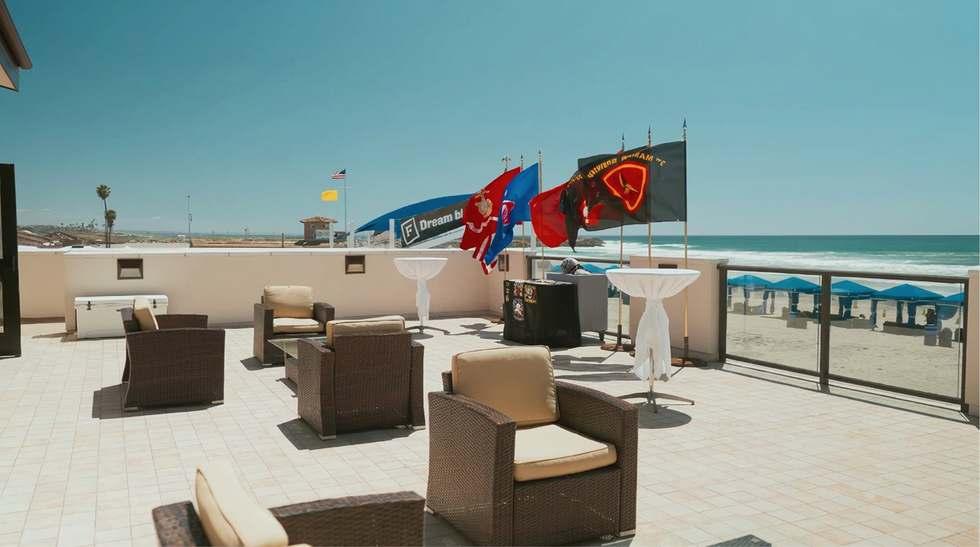
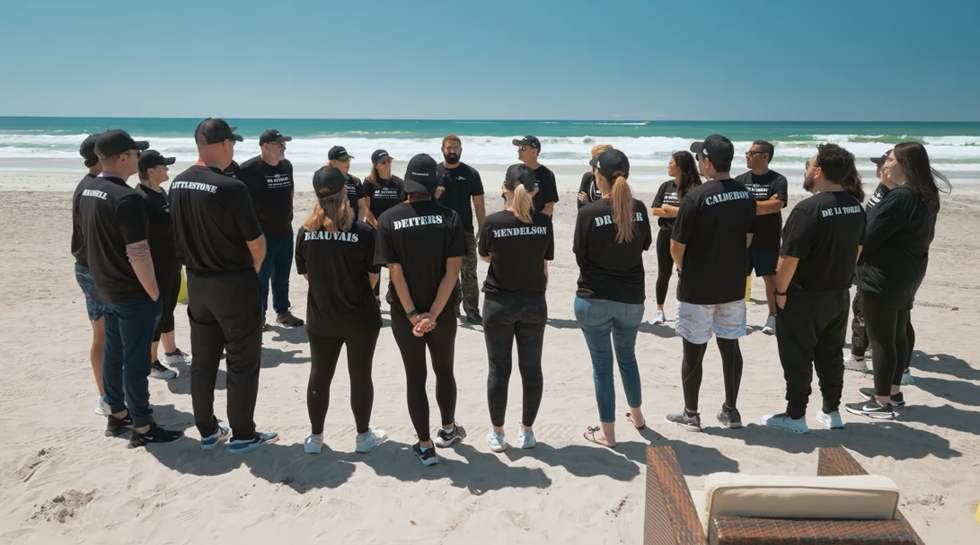
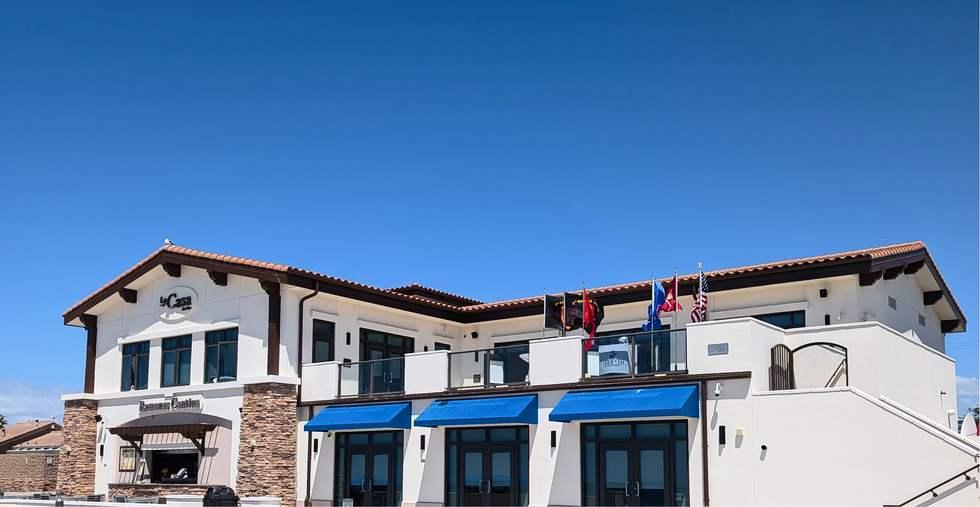
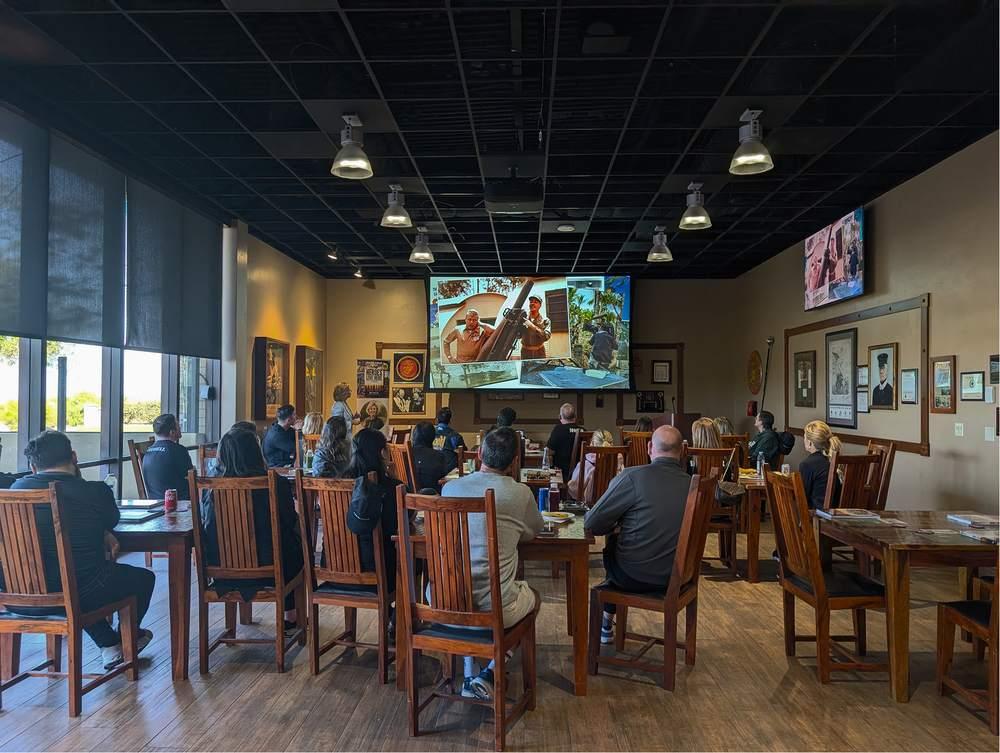
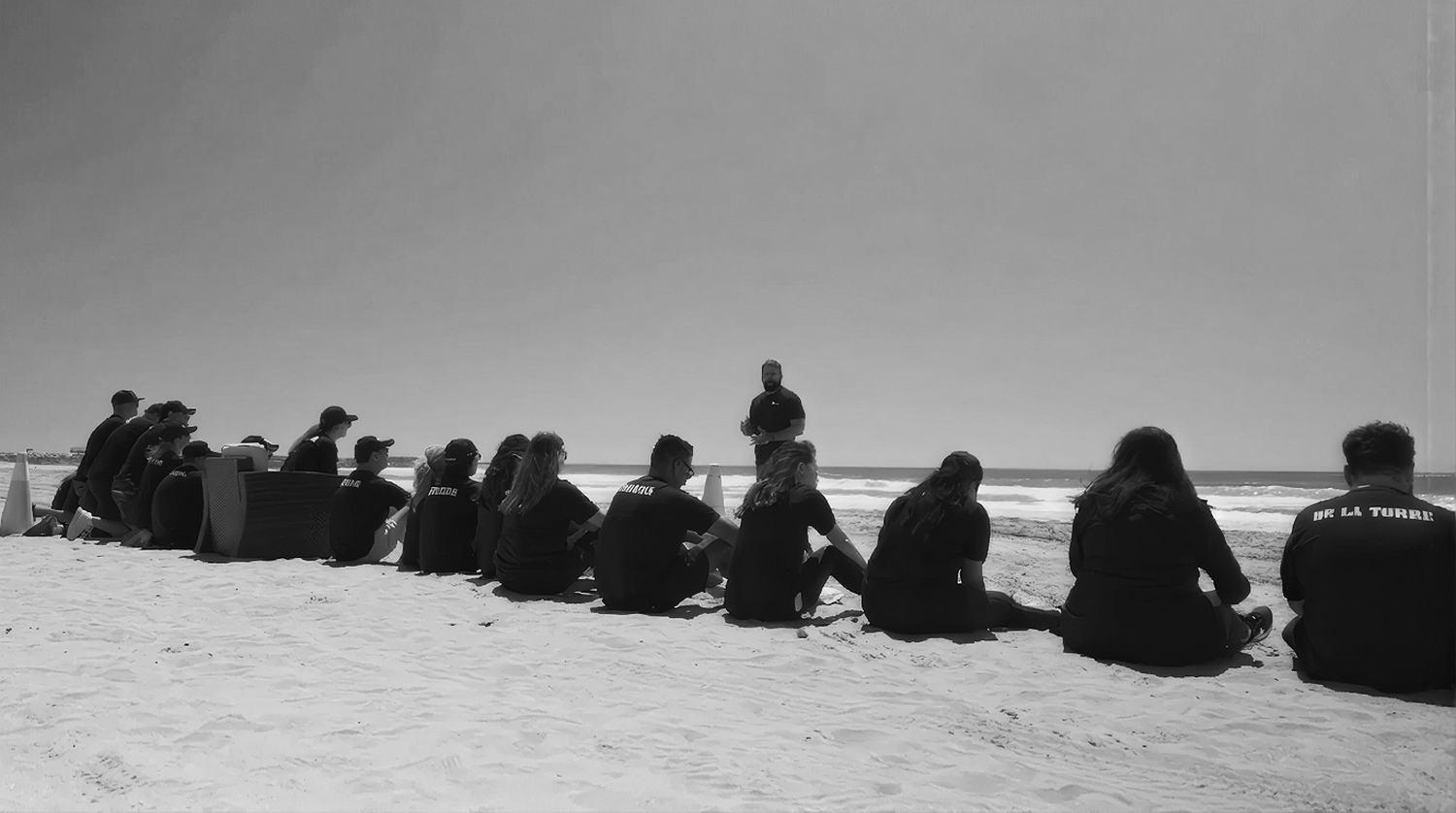
For teams that want the setting itself to carry the story, Experience Camp Pendleton combines a historic installation, coastal venues, hosted history, hospitality and—depending on the package—facilitated beach teamwork or a keynote. The theme is not “military costume party.” It is a real place interpreted by people with direct experience, followed by time to eat, talk and reflect.
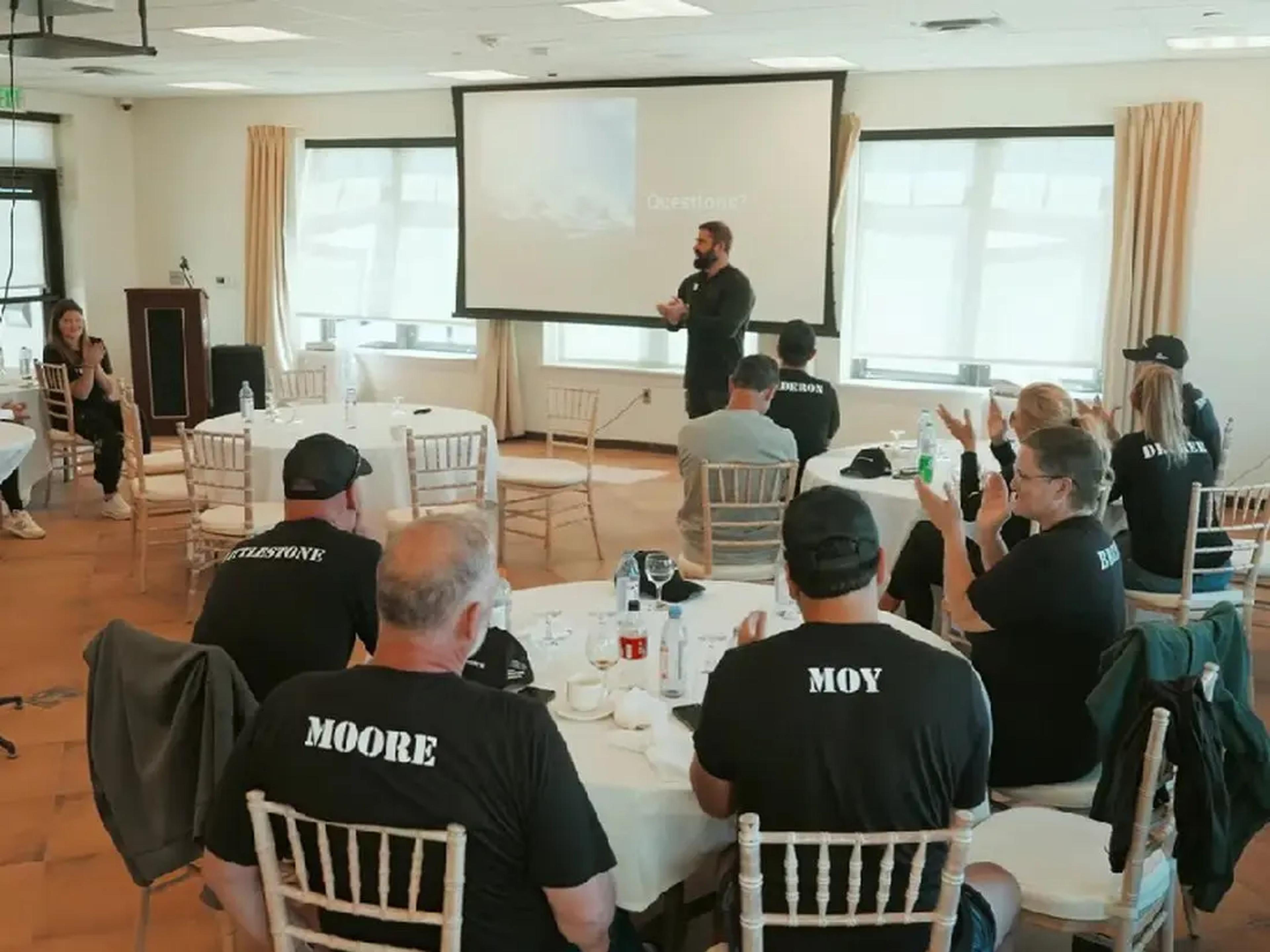
The three-hour Recruit package centers history and a correspondent keynote for groups up to 50. Leatherneck runs four hours with history, a 90-minute beach session and light snacks. Devil Dog adds a longer beach session and essentials lunch across five hours. The eight-hour Semper Fi programme uses both principal venues, lunch, a keynote and a closing reception for a fuller event arc.
Keep the creative direction respectful and contemporary. Do not ask employees to dress in uniform-inspired clothing, use ranks as party labels or turn military symbols into jokes. Theme decorating is optional; the coastline, venues, history and hosts already provide the identity. Physical elements are scalable, with non-physical ways to contribute, and the experience is not a boot camp.
Because the event takes place on an active military installation, access is controlled and subject to change. Protect time for roster, identification and transport coordination, and review the Camp Pendleton access guide before invitations are final.
How to turn a theme into a five-line supplier brief
A supplier does not need a page of adjectives. Give every venue, caterer, producer and entertainer the same five decisions.
- Purpose: what should employees understand or feel by the end?
- Theme sentence: what is the one-line creative direction?
- Three cues: which colors, materials, service choices or sounds should repeat?
- Boundaries: what should the event explicitly avoid?
- Operational facts: headcount, date, hours, accessibility, food, alcohol, weather and budget ceiling.
For example: “A warm coastal winter supper that feels relaxed, specific to San Diego and easy to join. Repeat amber light, natural linen and seasonal greenery. Avoid nautical props, fake snow and compulsory dress-up. Plan for 80 guests, seated and standing choice, alcohol-optional service, step-free access and an indoor weather fallback.”
Ask suppliers to show where their proposal answers the brief. If an item does not advance the purpose, theme or guest experience, remove it before adding something else. Use the San Diego venue guide to shortlist settings and the corporate offsite cost guide to compare complete costs.
How to keep a corporate holiday party theme inclusive
An inclusive theme does not assume that every employee celebrates the same holiday, drinks alcohol, enjoys public performance or can navigate the same physical environment.
- Name the event accurately. If it is a company Christmas party, say so and handle participation and accommodation accordingly; do not call it universal.
- Keep religious, family and personal storytelling optional. Employees should not be assigned to represent a faith or culture.
- Publish a clear dress note without gendered rules, hidden costume expectations or pressure to buy something new.
- Offer good alcohol-free drinks and make the event's main value independent of alcohol.
- Provide seated, lower-sensory and step-free ways to experience the event.
- Put the important moments inside the paid event window where possible, and explain whether attendance is optional.
- Collect dietary, mobility, sensory and religious needs privately through one named contact.
The EEOC's workplace religious-discrimination guidance explains that accommodation questions should be handled individually. This article is event-planning guidance, not legal advice.
Experience Camp Pendleton is a commercial service operated by Urban Kitchen Hospitality / Mid Coast Supply Inc. It is not affiliated with, endorsed by or sponsored by the United States Department of Defense, the United States Marine Corps or Marine Corps Community Services. Access to Marine Corps Base Camp Pendleton is controlled by the installation and is subject to change. Confirm current requirements before travel.
Before you ask
Before you ask
Common questions
What are good corporate holiday party themes?
Good corporate holiday party themes include a coastal winter supper, California winter garden, modern supper club, after-hours gallery, year-in-stories event, recognition salon, makers' market, culinary studio and analog games lounge. The best choice already fits the venue and guides real decisions about food, light, sound and one supporting interaction.
How do you make a corporate holiday party theme feel classy?
Use two or three repeated design cues, let the venue do most of the visual work and remove elements that do not support the main idea. Favor good lighting, comfortable seating, clear service and one polished interaction over novelty props, complicated costumes or a packed agenda.
What holiday party themes work without Christmas imagery?
Coastal winter supper, modern supper club, after-hours gallery, year in stories, recognition salon, makers' market, culinary studio and golden-hour terrace all work without Christmas imagery. Use accurate, neutral event language and let employees opt into any personal or religious sharing.
How much should a company spend on holiday party decor?
There is no universal percentage. Set the complete event ceiling first, protect food, access, transport, staffing and weather backup, then fund the few design elements guests will actually notice. A strong venue and lighting plan can reduce the need for rented decor. Compare decor inside the all-in budget rather than as an isolated allowance.
Should employees dress for the theme?
Only if the dress element is simple, optional and inexpensive. A plain-language note such as “festive business attire; no special purchase expected” is safer than a costume requirement. The event should still make sense when someone arrives in ordinary work clothing.
How far ahead should we choose the holiday party theme?
Choose the theme after the purpose, headcount and venue shortlist, but before detailed catering, production and entertainment proposals. For a larger or high-demand year-end event, that decision may happen several months in advance. The [company-offsite planning playbook](https://experiencependleton.ukhcp.com/blog/how-to-plan-a-company-offsite) provides a complete workback.
Can Experience Camp Pendleton support a themed holiday event?
Yes, when the creative direction respects the actual setting. Recruit, Leatherneck, Devil Dog and Semper Fi offer three- to eight-hour programme shapes with different combinations of history, venues, beach teamwork, food, keynote and reception. Use the place and hosted story as the theme; avoid costumes or imitation military language. Dates, group fit, access and customization should be confirmed on a planning call.
Written by
Rene Diaz
President
Four packages
Bring your
team here.
Half a day to a full day, from a history session and lunch to both venues, beach team building and a reception on the deck.