

15 Company Holiday Party Ideas for 2026
Compare 15 company holiday party ideas by group size, energy and planning effort, then choose a format employees can join without forced fun.
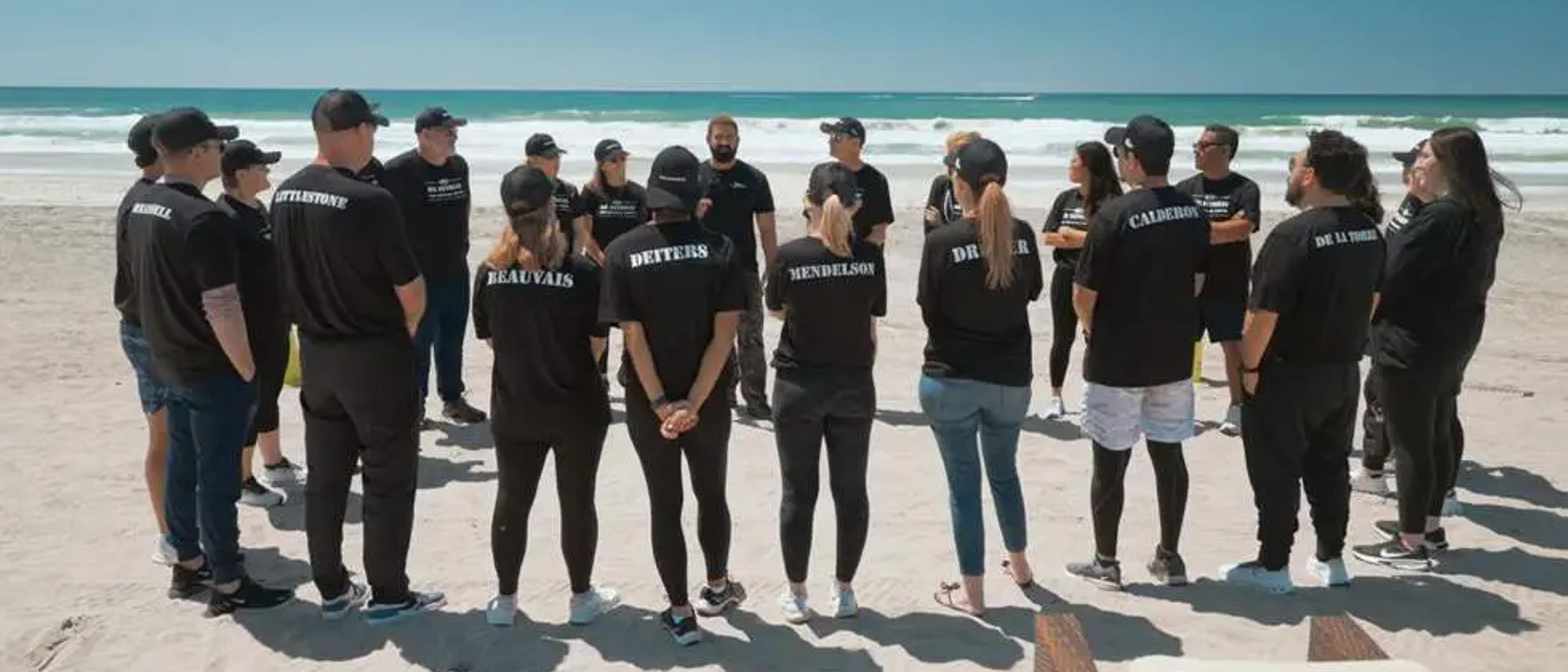
The best company holiday party ideas for 2026 use paid time where possible, give employees more than one way to participate and feel meaningfully different from another meeting with drinks. An immersive daytime offsite works for a memorable shared experience; private dining or a cultural venue suits lower-energy groups; parallel activities and local pods accommodate mixed preferences and locations.
These options range from simple office holiday party ideas to full corporate holiday party experiences. The same framework works for teams comparing broader work holiday party ideas: settle timing, purpose and participation needs before shopping for entertainment.
No format can guarantee attendance. Shift schedules, caregiving, travel, workload, faith traditions and simple personal preference all affect the decision. The practical goal is to remove avoidable friction and choose an event that respects the people being invited.
TL;DR: Start with the team, not the novelty. Choose a clear purpose, a time people can realistically give and an accessible format with meaningful options. Use an immersive offsite for a substantial shared day, a hosted venue for lower-pressure conversation or parallel activities and local pods for mixed schedules. Ask employees what would make attendance worthwhile before committing the budget.
On this page
- What improves company holiday party attendance?
- 15 company holiday party ideas compared
- Detailed ideas and planning cautions
- How to choose the right idea for your team
- How Experience Camp Pendleton can fit a year-end event
- A checklist before announcing the party
- Common questions
What improves company holiday party attendance?
The five strongest attendance levers are workable timing, one honest purpose, meaningful choice, accessible participation and clear logistics. Set those conditions before comparing venues or entertainment.
Use time people can realistically give
A Thursday evening in December competes with commuting, school events, religious observances, travel and every other invitation on the calendar. A paid afternoon, early finish or clearly bounded lunch is easier to accept. If the event must happen after hours, make attendance genuinely optional and avoid attaching informal career consequences to the decision.
Give the event one honest purpose
Decide whether the event is meant to recognize the year, help colleagues reconnect, celebrate a milestone or simply provide a pleasant break. Trying to combine a strategy meeting, awards ceremony, team-building exercise and late-night party often weakens all four.
If recognition is the purpose, plan what leaders will actually recognize. The activity creates the setting; specific thanks make it an employee appreciation event.
Offer meaningful choice
Choice does not require fifteen simultaneous activities. It can be as simple as an active station and a quiet one, alcoholic and non-alcoholic drinks presented with equal care, or a choice between attending the shared event and receiving an equivalent local option.
Design accessibility before invitations go out
The venue, transport, food, sound, lighting, seating, schedule and activities all affect who can participate. The U.S. Equal Employment Opportunity Commission explains that equal access to benefits and privileges of employment can include employer-sponsored social functions. Religious accommodation may also affect scheduling and participation. Build a private route for employees to request what they need instead of asking them to explain themselves publicly.
Sources: EEOC disability guidance and EEOC religious-discrimination guidance.
Remove logistical guesswork
Tell people the start and finish time, dress expectations, transport plan, food arrangements, guest policy, physical demands and whether attendance is optional. An interesting surprise inside the event can be fun. Surprise requirements rarely are.
15 company holiday party ideas compared
| Idea | Best for | Practical scale | Energy | Budget level | Organizer lift |
|---|---|---|---|---|---|
| Immersive daytime offsite | A major milestone or annual gathering | 20–100+ | Mixed | High | High |
| Private dining with rotating hosts | Conversation across departments | 20–120 | Low | Medium–high | Medium |
| Choose-your-own experience afternoon | Mixed interests and abilities | 30–300 | Mixed | Medium–high | High |
| Maker market | Creative, informal teams | 30–250 | Medium | Medium | High |
| Hosted cooking studio | Smaller teams that enjoy doing something together | 12–80 | Medium | Medium–high | Medium |
| Private museum or cultural venue | Curious, multigenerational groups | 30–300 | Low | Medium–high | Medium |
| Live show with flexible arrival | Teams wanting entertainment without forced participation | 50–500 | Low | Medium–high | Medium |
| Service project followed by lunch | Purpose-led organizations | 15–200 | Mixed | Low–medium | High |
| Indoor winter market | Large groups and flexible circulation | 75–1,000 | Mixed | Medium–high | High |
| Hosted game lounge | Social teams that want light competition | 20–250 | Medium | Medium | Medium |
| Family-inclusive afternoon | Workforces affected by evening caregiving | 30–500 | Mixed | Medium–high | High |
| Milestone story dinner | Anniversaries and leadership transitions | 20–200 | Low | Medium–high | Medium |
| Low-pressure outdoor field day | Teams that want movement and fresh air | 30–300 | Mixed | Medium | High |
| Local pods for distributed teams | Remote or multi-office companies | 20–1,000 | Mixed | Medium | High |
| Paid recovery afternoon with a drop-in meal | Teams finishing an intense year | Any | Low | Low–medium | Low |
The scale bands are planning cues, not venue capacities. Confirm the actual room, staffing, transport and activity limits before contracting.
1. An immersive daytime offsite
Best for: a major company milestone, annual gathering or team that rarely meets in person.
Move the celebration into paid working hours and give the day a beginning, middle and close. A strong version might combine a place with a real story, a hosted meal, one facilitated activity and unstructured conversation before departure.
This format asks more of the organizer, but it gives employees something more substantial than an evening reception. Protect the experience from speeches and internal presentations. If leaders need ten minutes to recognize the year, keep it to ten minutes.
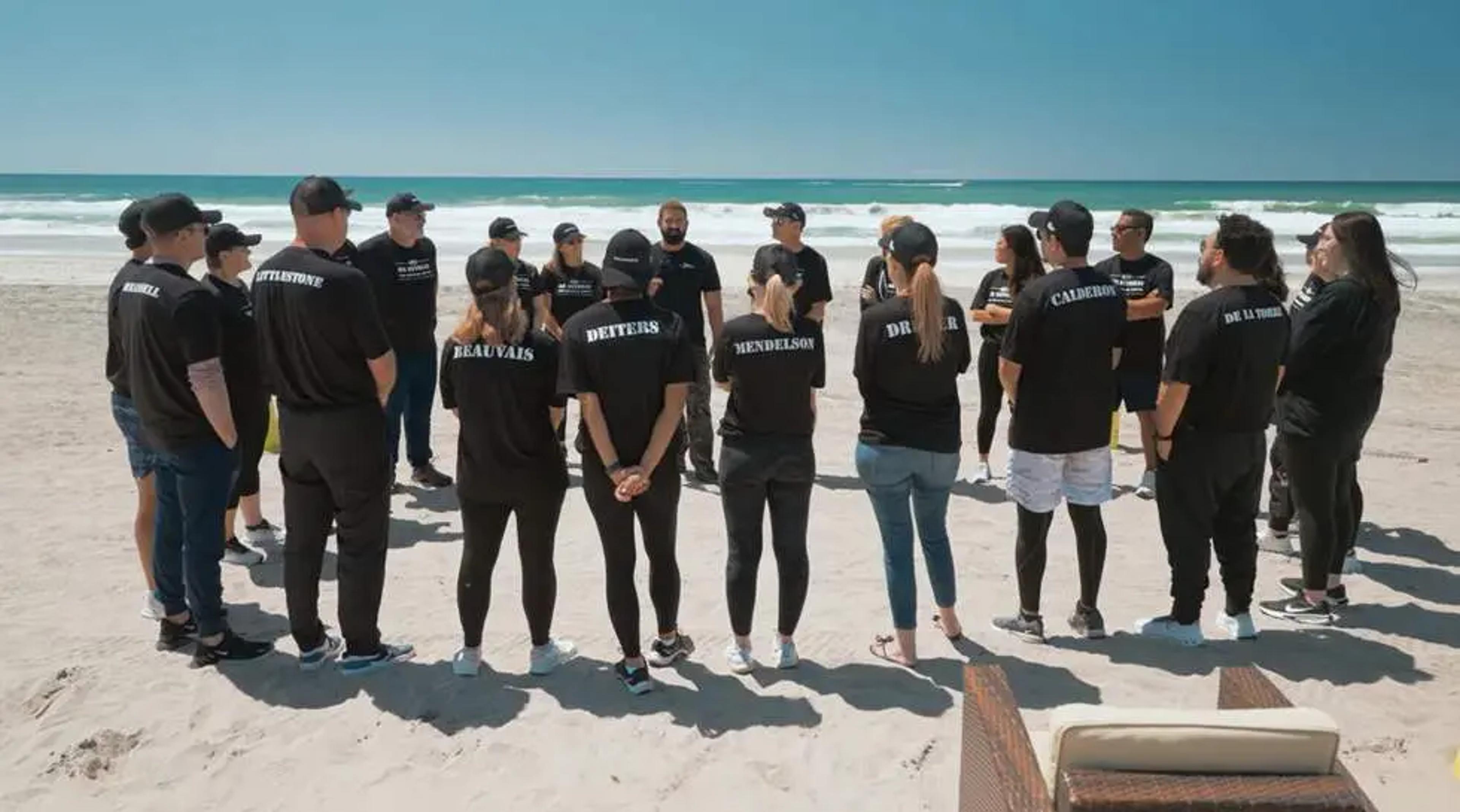
Experience Camp Pendleton is one example for Southern California companies. The programmes combine installation history, hospitality and optional, scalable team activities in different three-to-eight-hour formats. Because Camp Pendleton is an active installation, group access and transport require advance coordination. Read what the corporate day actually looks like before treating it like an ordinary venue booking.
2. Private dining with rotating hosts
Best for: teams that want conversation without a full activity programme.
Use several smaller tables rather than one long banquet layout. Give each table a host who can welcome people and move once between courses, allowing colleagues from different functions to meet without turning the evening into speed networking.
Keep conversation prompts optional and grounded in the year: a project that taught the team something, a colleague who made work easier or a customer moment worth remembering. Avoid personal disclosure and public ranking games. The purpose is to make conversation easier, not to manage every minute of it.
3. A choose-your-own experience afternoon
Best for: mixed interests, energy levels and accessibility needs.
Offer three experiences of comparable value during the same paid block. One might be active, one creative and one food-based or conversational. Bring everyone together for a short welcome and relaxed close.
The key phrase is comparable value. A premium cooking workshop and a folding chair beside the refreshments table are not real choices. Give each option a clear description, equivalent hospitality and enough capacity. Collect preferences before contracting so the least popular option does not consume the largest share of the budget.
4. A maker market
Best for: creative teams and large groups that dislike being assigned one activity.
Set up a small collection of staffed stations: printmaking, wreath alternatives, candle pouring, ceramics, gift wrapping, tasting or a collaborative installation. People can make something, watch or continue a conversation while moving through the room.
This works because participation is visible without being compulsory. Plan seating at every station, a non-craft option and a practical way to carry finished items home. Avoid religious symbols as the default; let employees choose from seasonal, cultural and neutral materials.
5. A hosted cooking studio
Best for: smaller groups that want a shared task and a meal.
Choose a format that does not reward speed or professional kitchen confidence. Small teams can assemble different parts of a menu while the facilitator manages heat, equipment and timing. A demonstration-and-tasting format may suit groups that want less physical participation.
Ask about allergies, religious dietary requirements, alcohol in recipes, standing time and accessible work surfaces before the menu is final. Nobody should discover at the station that the main activity excludes them.
6. A private museum or cultural venue
Best for: multigenerational teams and people who prefer substance to spectacle.
Reserve a gallery, historic site, aquarium or science venue after normal hours or during a quiet daytime block. Add a curator talk, short guided route and reception with enough time to explore independently.
The venue supplies natural conversation material, so the planner does not need manufactured icebreakers. Confirm seating, walking distances, captioning or interpretation, sensory conditions and which spaces remain open to the group. A beautiful building is not automatically an accessible event.
7. A live show with flexible arrival
Best for: teams that want entertainment and a clear focal point.
Book comedy, music, improv, storytelling or another performance, but keep a reception window on either side. Flexible arrival reduces the penalty for shifts and commutes, while a defined show time gives the event structure.
Brief the performer on the audience and company boundaries. Do not make employees the joke, invite them onstage without consent or assume everyone wants front-row interaction. Provide a separate conversation area for people who find the volume or attention uncomfortable.
8. A service project followed by lunch
Best for: organizations with an established community relationship.
Ask the nonprofit or community partner what work is genuinely useful, then build the event around that answer. Suitable formats might include assembling requested kits, preparing a site, sorting inventory or contributing professional skills.
Do not manufacture busywork because it photographs well. Cover the partner’s real costs, explain the outcome and give employees non-physical roles. Follow with a hosted meal where the partner can join if appropriate, without requiring them to provide an inspirational performance for the company.
9. An indoor winter market
Best for: large groups that need continuous movement rather than a seated programme.
Create several small vendors, food counters, demonstrations and activities within one accessible venue. Employees arrive within a defined window, receive a simple credit system and choose how to spend their time.
This format scales, but only if circulation is designed. Model queue lengths, coat storage, seating, noise and payment reconciliation. Keep the event culturally broad and clearly company-hosted rather than presenting one religious tradition as universal.
10. A hosted game lounge
Best for: teams that enjoy light competition but do not want a formal tournament.
Use short games that people can join and leave: tabletop games, shuffleboard, trivia stations, retro arcade play or small cooperative challenges. A host can explain rules and help new groups form without forcing departments into fixed brackets.
Keep leaderboards temporary and low stakes. Avoid games built around drinking, personal facts or physical embarrassment. If you need to scale beyond 50 people, use the pod and station principles in the large-group team-building guide.
11. A family-inclusive afternoon
Best for: workforces whose evening attendance is limited by caregiving.
Hold an afternoon gathering with good food, activities for several age ranges and a clear adult-only area for conversation. Family inclusion can remove one barrier, but it should not create an expectation that employees must bring partners or children.
Ask about capacity, safeguarding, quiet space, feeding, changing facilities and whether guest travel is covered. Consider offering an employee-only alternative of equivalent value for people who do not want a family-centred event.
12. A milestone story dinner
Best for: company anniversaries, acquisitions, leadership transitions or the end of a difficult project.
Build the evening around a few short, specific stories rather than a long awards script. Invite customers, retired colleagues or project partners only when their presence serves the team, not the executive guest list.
Collect stories in advance, fact-check them and share credit. Give most of the schedule to dinner and conversation. A ten-minute film or three five-minute stories can create context; a ninety-minute internal documentary will make people watch the clock.
13. A low-pressure outdoor field day
Best for: teams that want daylight, movement and an informal atmosphere.
Use activity stations with different demands: a cooperative build, observation challenge, seated puzzle, short walk, lawn game and hospitality area. Employees can contribute without being judged on speed, strength or willingness to perform.
Plan weather, shade, seating, accessible routes, restrooms and a real indoor fallback. Make physical demands clear before registration. “Anyone can do it” is less useful than stating the distance, surface, standing time and available non-physical roles.
14. Local pods for distributed teams
Best for: remote-first companies and organizations with several offices.
Fund local groups to attend experiences of comparable value during the same week. Connect them with one short shared opening, a common prompt or a mailed item, then let each group have an event suited to its location and time zone.
Do not spend most of the budget on headquarters and call the smaller events satellite parties. Equalize per-person value, paid time and organizer support. Give solo remote employees a useful individual option rather than requiring them to watch another office celebrate on video.
15. A paid recovery afternoon with a drop-in meal
Best for: teams finishing a demanding year with little appetite for organised fun.
Sometimes the most credible event is a protected afternoon, a good meal available for a generous window and specific thanks from managers. People can eat together, leave early or use the time in the way that helps them recover.
Do not refill the released time with a mandatory town hall. Make coverage fair for shift and customer-facing teams, and avoid presenting time back as a substitute for compensation or workload decisions. It is a modest format, but it may fit the team better than an expensive production.
How to choose the right company holiday party idea
Reduce the list with five questions:
- What should employees get from the event? Recognition, reconnection, entertainment, recovery and team practice are different jobs.
- Which timing creates the fewest exclusions? Compare paid afternoon, lunch, evening and repeated-session options.
- What kind of participation is realistic? Map physical, sensory, dietary, religious, caregiving, transport and social-pressure considerations.
- How much operating complexity can the team manage? Multiple choices and locations improve fit but increase contracts, staffing and communication.
- What is the complete budget? Include venue, food, transport, staffing, accessibility services, taxes, service charges and contingency. The San Diego corporate offsite cost guide shows how to build the full planning number rather than comparing headline venue prices.
Ask a short anonymous question before final selection: “Which of these formats would be worth setting aside paid time for, and what would prevent you from participating?” Give three or four real options, not an open suggestion box that promises more choice than the budget can support.
How Experience Camp Pendleton can fit a year-end event
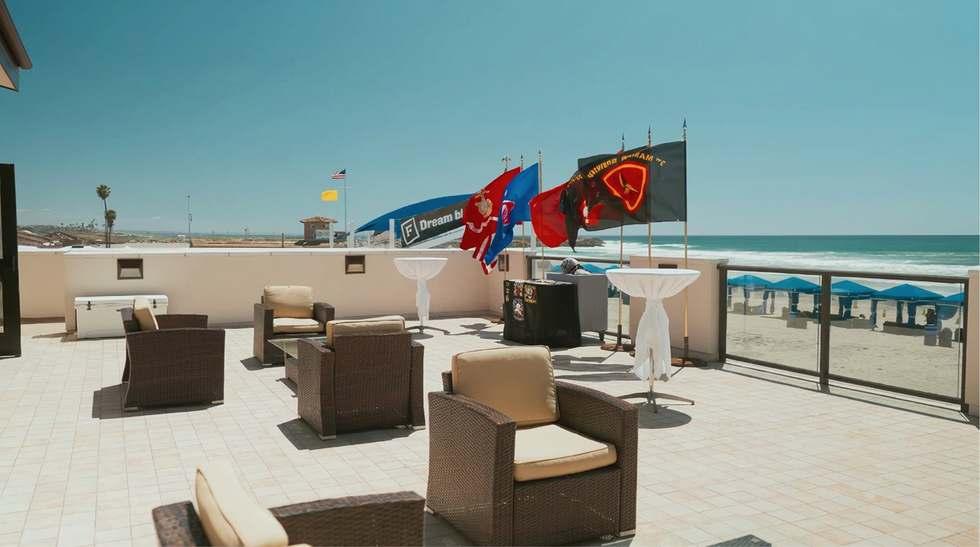
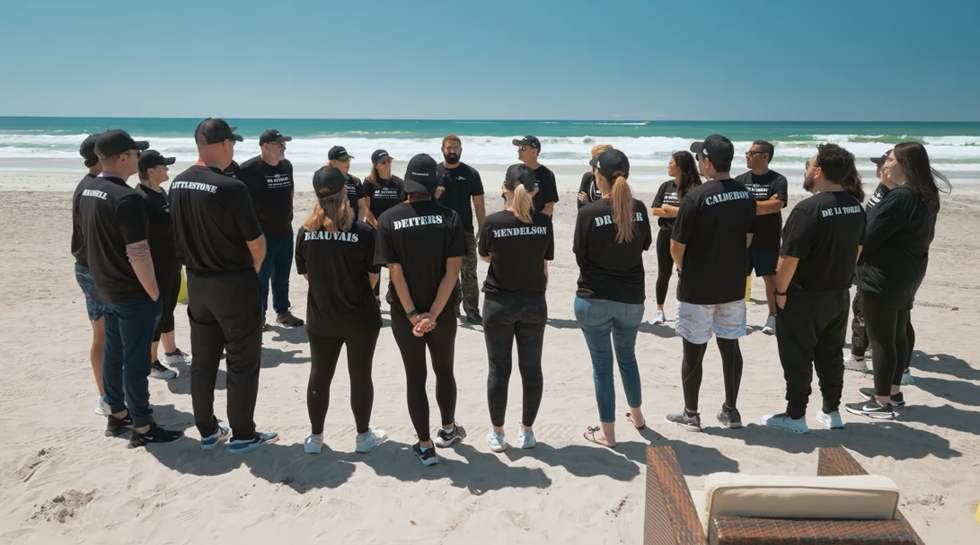
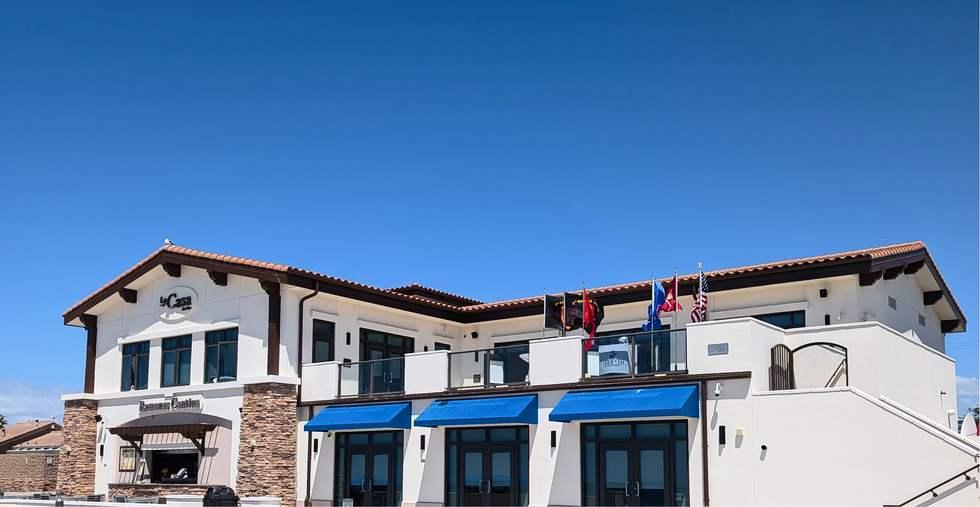
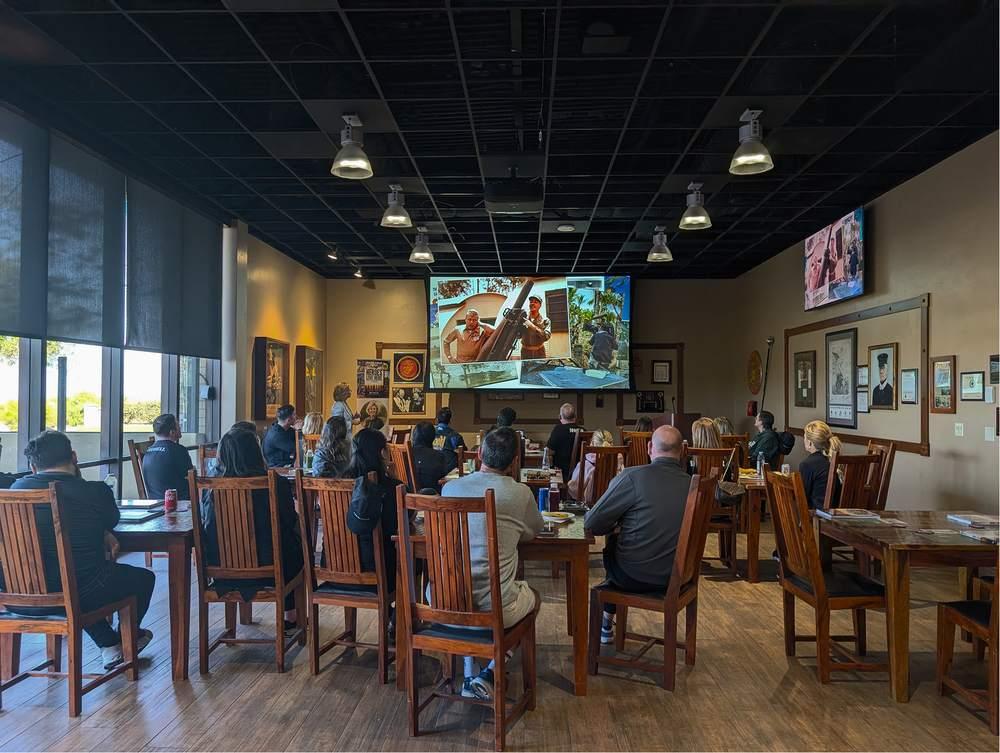
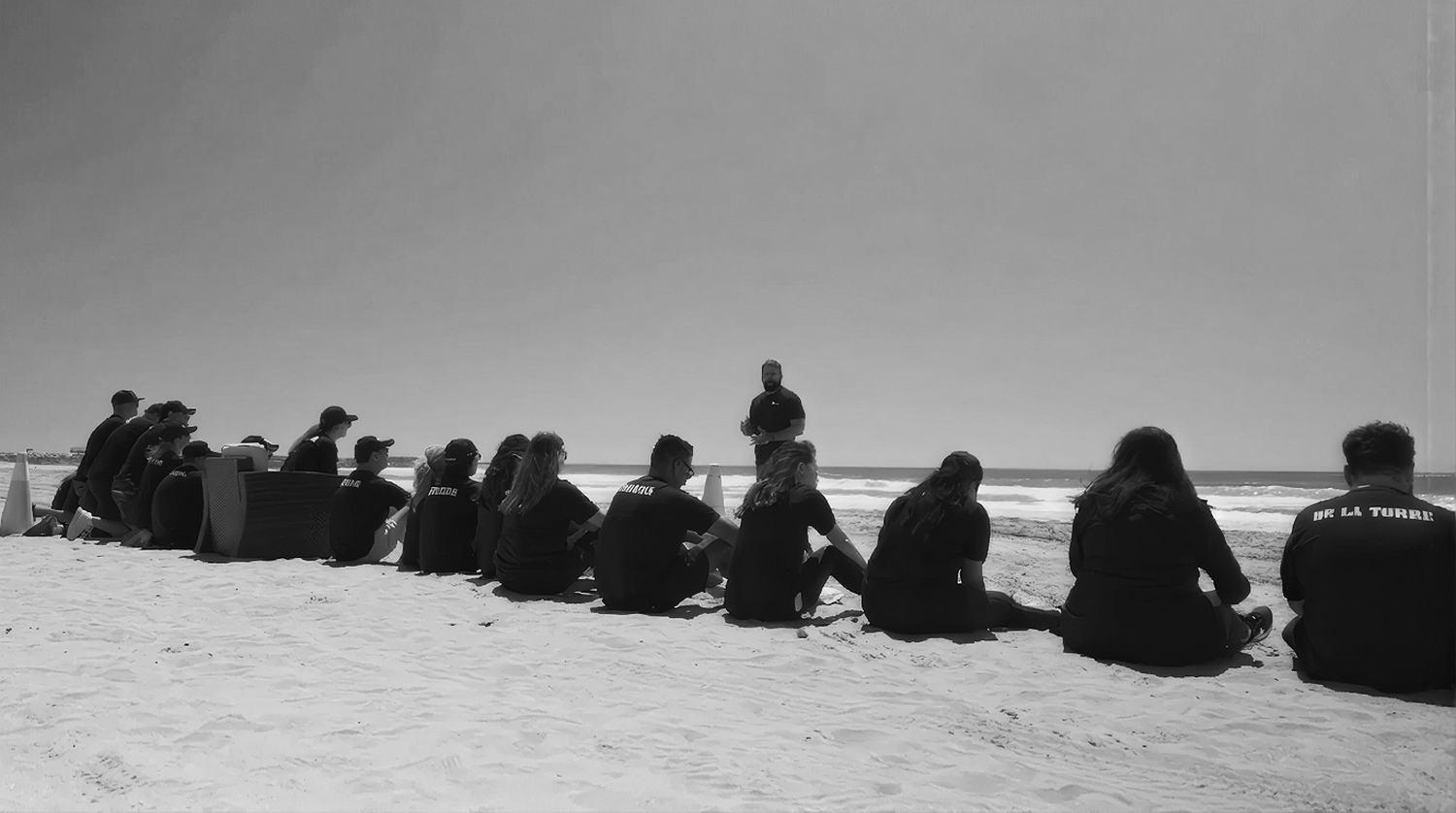
Experience Camp Pendleton suits companies looking for a substantial shared day rather than a conventional evening party. The programme can combine the history of the installation, hospitality and facilitated team activities. The beach teamwork and keynote can feature Prime Hall, a retired Marine Raider and water-survival instructor. Longer formats can include multiple venues, lunch, a keynote and a closing reception, depending on the selected package.
The physical elements are optional and can be scaled for the group, with non-physical roles designed into the activities. That does not eliminate the need to discuss mobility, transport, dietary and other access needs during planning.
Because the event takes place aboard an active military installation, it requires more lead time than a restaurant booking. Participant information, identification, transport and current installation requirements must be coordinated in advance. The Camp Pendleton visitor-pass guide explains the planning responsibilities and the limits of any commercial promise.
For a premium full-day shape, review the Semper Fi package. If the team needs a shorter or lower-complexity event, discuss the other package formats or choose a local option that fits the schedule better.
Checklist before announcing the party
- The event has one clear purpose.
- The proposed time does not assume everyone can give up an evening.
- Attendance is described honestly as optional or required.
- Employees have a private way to request an accommodation.
- The venue and transport route have been checked for accessibility.
- Dietary, religious and alcohol-free participation are planned as core requirements.
- Physical demands, clothing and weather exposure are stated clearly.
- Remote, shift and frontline employees receive comparable value and paid time.
- Leaders know how long they may speak and what they will recognize.
- The budget includes fees, transport, staffing and contingency.
- The invitation names the start, finish, guest policy and response deadline.
- A fallback exists for weather, low registration or a venue change.
The invitation should make the event easy to picture. Employees should not have to ask whether they are expected to perform, pay, drive after drinking, arrange childcare without notice or participate in an activity they cannot do.
If your team wants a year-end event built around a distinctive shared experience, explore Experience Camp Pendleton and compare the available programme formats. The right choice is the one employees can join comfortably and the company can deliver well.
Experience Camp Pendleton is a commercial service operated by Urban Kitchen Hospitality / Mid Coast Supply Inc. It is not affiliated with, endorsed by or sponsored by the United States Department of Defense, the United States Marine Corps or Marine Corps Community Services. Access to Marine Corps Base Camp Pendleton is controlled by the installation and subject to change. Confirm current requirements before travel.
Before you ask
Before you ask
Common questions
What makes a good company holiday party?
A good company holiday party has a clear purpose, workable timing, useful choices and an accessible format. It gives employees time to connect without requiring public performance, heavy drinking or enthusiasm on command.
How far in advance should we plan a company holiday party?
Start several months ahead for peak-season dates, large groups, complex transport or unusual venues. A simple in-office meal needs less lead time. An installation-based programme such as Experience Camp Pendleton requires advance roster, identification and transport coordination, so discuss timing before sending invitations.
Should a company holiday party happen during paid work time?
Paid work time usually removes more attendance barriers than an evening or weekend. If that is not operationally possible, consider repeated sessions, flexible arrival or equivalent options for employees who cannot attend after hours.
How do we make a holiday party inclusive?
Use culturally broad language, check the calendar, provide food and drink choices, design for accessibility and offer a private accommodation route. Avoid assuming that everyone celebrates the same holiday or wants to participate in the same way.
Does a company holiday party need alcohol?
No. A party needs hospitality and something people can do or talk about; alcohol is optional. If it is served, give non-alcoholic drinks equal quality and visibility, provide food and transport planning, and make sure social participation does not revolve around drinking.
How can remote and shift employees be included?
Provide comparable paid time and value through repeated sessions, local pods or individual options. Do not treat a livestream of the headquarters party as equivalent participation unless remote employees actually prefer it.
What company holiday party ideas work for large groups?
Formats with natural circulation work best: markets, stations, parallel experiences, private cultural venues and well-designed outdoor programmes. Split the group into pods, repeat popular activities and plan transitions, seating and queue capacity before adding more entertainment.
Written by
Rene Diaz
President
Four packages
Bring your
team here.
Half a day to a full day, from a history session and lunch to both venues, beach team building and a reception on the deck.