

15 Employee Appreciation Event Ideas Staff Remember (2026)
Compare 15 employee appreciation event ideas by budget, planning effort and team fit, with practical guidance for making recognition feel genuine and inclusive.

An employee appreciation event can be expensive and still feel generic. A catered lunch, branded gift or day away from the office does not automatically tell people what the company values about their work.
The events staff remember combine three things: specific recognition, a format people had some choice in and protected work time to take part. The activity creates the setting. What leaders say and do inside that setting creates the appreciation.
TL;DR: Budget under $50 per person for a thoughtful in-house event, $50–$150 for a hosted local experience and $150–$500+ for a premium full day. Ask employees how they want to be recognized, offer meaningful choices and schedule the event during paid time. Appreciation should reinforce—not replace—fair pay and manageable work.
Table of contents
- What makes an employee appreciation event feel genuine?
- Quick picks
- 15 employee appreciation event ideas
- Employee appreciation event budget bands
- How to choose an event employees will value
- A planning sequence that protects the meaning
- Plan the recognition moment, not just the event
- Employee appreciation at Experience Camp Pendleton
What makes an employee appreciation event feel genuine?
Gallup's workplace-recognition research emphasizes that recognition works best when it is authentic, specific, purposeful and targeted to the recipient. That is a useful event-design test.
- Specific — name the contribution, decision or behavior being recognized.
- Personal — ask whether each person prefers public, private, written or peer recognition.
- Equitable — audit who is visible, who is thanked and whose behind-the-scenes work is usually missed.
- Concrete — connect words to something real: time, an experience, development, responsibility or a meaningful reward.
- Voluntary — do not force public speaking, personal disclosure, physical participation or social performance.
- Paid — appreciation loses credibility when attendance requires unpaid time or creates extra work afterward.
An event can support recognition, but it cannot repair chronic understaffing, unfair compensation or a manager who only notices people once a year.
That distinction should change the event brief. If employees are exhausted after a launch, the most credible appreciation may be paid time back, a calm meal and specific thanks—not a high-energy competition. If the company has reached a genuine milestone, a full shared day may be appropriate. If half the workforce is remote or works shifts, a single headquarters party is not one event with a small inclusion problem; it is the wrong delivery model.
Write the recognition promise before choosing the activity. For example: “Every employee will receive one specific account of what their work changed, equal paid time to participate and a choice between experiences of comparable value.” That sentence is concrete enough to audit. “Celebrate our people” is not.
Quick picks
| Workforce need | Strong option | Planning band | Decision to protect |
|---|---|---|---|
| Premium shared milestone | Experience Camp Pendleton day | Custom quote | Make the day feel intentional, not compulsory |
| Different interests and access needs | Employee-choice experience day | $75–$250 pp | Give every option equal status and value |
| Low budget | Contribution-story lunch | $35–$125 pp | Invest manager time in specific recognition |
| Purpose-led culture | Nonprofit-designed service day | $50–$175 pp | Let the partner define useful work |
| Mixed physical abilities | Cooking experience or learning festival | $25–$300 pp | Design meaningful roles before invitations |
| Remote or multi-location team | Hybrid studio with local choices | $50–$200 pp | Equalize budget and paid participation time |
| Large workforce | Maker market, picnic or parallel service | $50–$225 pp | Provide simultaneous options and clear flow |
| Exhausted team | Paid time back | Salary cost + optional meal | Do not convert recovery into mandatory fun |
15 employee appreciation event ideas
1. A full-day Experience Camp Pendleton appreciation event
Best for: annual recognition, milestone years and teams that rarely gather in person.
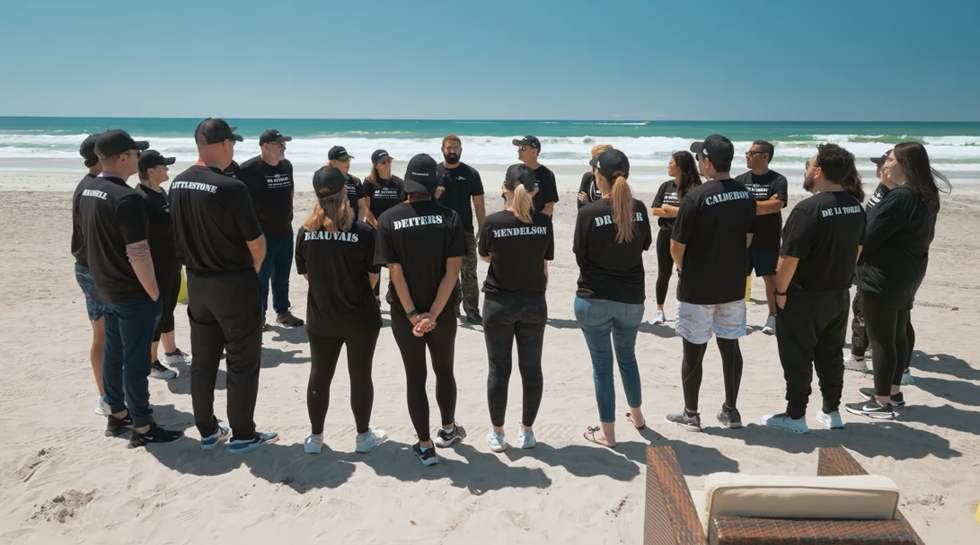
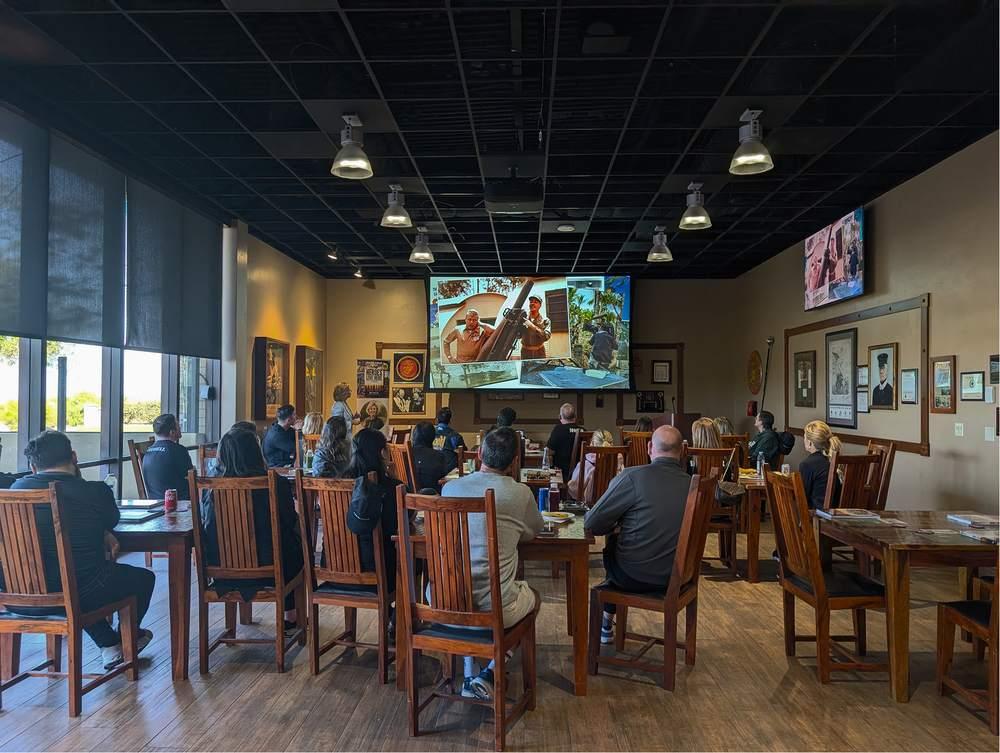
Experience Camp Pendleton combines the history of the installation, hospitality and facilitated team work in programmes lasting three to eight hours. The full Semper Fi package uses two venues and can include beach team work, lunch, a keynote and a closing reception.
- Planning band: custom quote; carry it in the premium $150–$500+ band until a proposal defines the full scope.
- Planning effort: high, because participant details, access and group transport are coordinated in advance.
- Inclusion check: physical participation is optional and non-physical roles can be built into the exercises; confirm individual needs before finalizing the programme.
- Why people remember it: the location and full-day arc make the recognition feel intentionally different from a normal workday.
2. An employee-choice experience day
Best for: teams with different interests, energy levels and accessibility needs.
Offer three or four experiences of equal value during the same paid block: a cooking session, museum visit, creative workshop, outdoor activity or quiet hosted meal. Bring everyone together for the opening and close rather than requiring one format to please every person.

- Planning band: $75–$250 per person.
- Planning effort: medium to high; the options need comparable timing, transport and status.
- Inclusion check: do not make the accessible or non-alcohol option feel like the backup choice.
- Why people remember it: choice demonstrates that the company listened before spending the budget.
3. A contribution-story lunch
Best for: teams that need meaningful recognition more than entertainment.
Before the lunch, managers gather one specific example of each person's contribution and its effect on a colleague, customer or project. Recognition can be shared privately in a note or publicly with permission. Keep speeches short and give the meal room to breathe.

- Planning band: $35–$125 per person.
- Planning effort: medium; the research and writing matter more than decoration.
- Inclusion check: ask each person whether public recognition is welcome.
- Why people remember it: the message proves that someone noticed the work itself.
4. A nonprofit-designed service day
Best for: organizations whose employees want practical community involvement.
Start with work a nonprofit genuinely needs, then build the event around it. Sorting, garden work, care-kit production and skilled volunteering can all create varied roles if the partner controls the scope and output.
- Planning band: $50–$175 per person including materials, meals and transport.
- Planning effort: high; the partner's capacity and distribution plan must be confirmed first.
- Inclusion check: provide seated, coordination, inventory and quality-control roles within the same project.
- Why people remember it: the day produces a visible result beyond the company.
5. A hosted cooking experience and shared meal
Best for: mixed-ability teams that like hands-on collaboration.
A professionally hosted kitchen creates useful roles around preparation, timing, presentation, service and storytelling. The shared meal becomes the unhurried appreciation moment instead of a prize after a frantic competition.
- Planning band: $100–$300 per person.
- Planning effort: medium.
- Inclusion check: collect allergy, dietary, mobility and alcohol preferences privately; provide non-cooking roles with equal value.
- Why people remember it: people make something together and then have time to enjoy it.
6. An inclusive outdoor team day
Best for: teams that want movement, sunshine and practical problem-solving.
Use parallel activities with adjustable roles: navigation, observation, building, communication and timekeeping. The event should reward planning and support rather than speed or fitness.
- Planning band: $75–$250 per person.
- Planning effort: medium to high.
- Inclusion check: build shade, seating, water, accessible routes, restrooms and an equal-status weather alternative into the original plan.
- Why people remember it: a well-run outdoor day changes the team's environment without turning participation into a physical test.
For detailed format and accessibility guidance, use the outdoor team-building activities guide.
7. A private museum or cultural evening
Best for: curious teams and weather-proof appreciation.
Reserve a private room or after-hours experience, use a host for a short welcome and let employees explore in pairs or small groups. A relaxed dinner or reception can follow without turning the visit into a quiz.
- Planning band: $75–$250 per person.
- Planning effort: medium.
- Inclusion check: confirm accessible routes, seating, lighting, sound levels and companion policies.
- Why people remember it: exclusive access feels generous without requiring performance.
8. An employee-led learning festival
Best for: teams with deep skills and interests that are rarely visible at work.
Invite volunteers to host short sessions on anything from photography and bread making to financial literacy or product prototyping. Pay for preparation time, bring in external hosts where employees prefer to participate, and keep sessions optional.
- Planning band: $25–$125 per person.
- Planning effort: medium.
- Inclusion check: presenting is voluntary and should never become unpaid event labor.
- Why people remember it: colleagues are recognized as people with expertise beyond their job titles.
9. A wellness choice day
Best for: teams coming out of a demanding period.
Offer several low-pressure options such as a guided walk, restorative movement, creative practice, financial-wellbeing session or quiet lounge. The strongest version includes a meaningful block of unscheduled paid time.
- Planning band: $50–$200 per person.
- Planning effort: medium.
- Inclusion check: avoid health assumptions, forced disclosure, weigh-ins and one definition of wellness.
- Why people remember it: the company gives employees agency and recovery instead of another target.
10. A family-inclusive picnic or open house
Best for: organizations that want to recognize the support systems around employees.
Use a venue with shade, seating, simple food and optional activities for different ages. Hold the event at a time that does not exclude employees with caregiving, religious or transport constraints, and offer an employee-only alternative.
- Planning band: $50–$175 per attendee.
- Planning effort: high because guest counts, safeguarding and dietary needs grow quickly.
- Inclusion check: do not assume every employee has, wants or can bring family.
- Why people remember it: the organization acknowledges that work affects lives beyond the office.
11. A local maker and small-business market
Best for: large groups and teams that value flexible participation.
Bring several local makers, food vendors or experience hosts into one venue. Give every employee the same credit to spend and enough unprogrammed time to explore. A short recognition moment can open the market without stopping the event for long speeches.
- Planning band: $75–$225 per person.
- Planning effort: high; vendor power, permits and minimums need one coordinator.
- Inclusion check: provide equivalent food and non-food choices and clear circulation space.
- Why people remember it: the event feels generous while allowing individual decisions.
12. A peer-recognition showcase
Best for: distributed teams and organizations where invisible cross-team help matters.
Ask employees to submit short examples of help they received from colleagues. A facilitator groups the stories around real behaviors—calm problem-solving, mentorship, customer care or operational reliability—without turning recognition into a popularity contest.
- Planning band: $20–$100 per person.
- Planning effort: medium.
- Inclusion check: audit nominations across shifts, functions, locations and seniority before the event.
- Why people remember it: recognition comes from the people who experienced the contribution directly.
13. A hybrid appreciation studio
Best for: remote and multi-location organizations.
Send equivalent local credits rather than identical boxes, then host a concise live program with employee stories, small-group conversations and optional creative or culinary sessions. Record only the parts people need asynchronously.
- Planning band: $50–$200 per person including delivery or local credits.
- Planning effort: high across time zones and countries.
- Inclusion check: no employee should have to stay online for hours to prove engagement.
- Why people remember it: remote staff receive equal thought and budget, not a livestream of an office party.
14. A paid half-day with small-group local experiences
Best for: busy teams that need time more than spectacle.
Close work after lunch and let small groups choose a nearby activity or meal within a fixed budget. Employees may also choose the paid time without attending a social event.
- Planning band: $25–$150 per person.
- Planning effort: low to medium.
- Inclusion check: opting out should not reduce the value of the benefit or require an explanation.
- Why people remember it: the organization gives back the resource many employees value most—time.
15. Quarterly micro-events selected by employee panels
Best for: companies that want appreciation to continue beyond one annual date.
Give a rotating employee panel a defined quarterly budget and clear inclusion rules. It might choose a breakfast, local performance, learning session or team service project. Leaders still own the work of specific recognition; employees should not have to plan their own appreciation unpaid.
- Planning band: $20–$100 per person per event.
- Planning effort: low to medium once the process exists.
- Inclusion check: rotate panel membership across shifts, locations and functions, and provide paid planning time.
- Why people remember it: appreciation becomes a repeated practice rather than a yearly campaign.
Employee appreciation event budget bands
Use the complete cost per confirmed attendee, not just the advertised activity price.
- Thoughtful in-house event — under $50 per person. Fund good food, paid time, accessible participation and specific recognition before decorations or branded merchandise.
- Hosted local experience — $50–$150 per person. This can cover a private activity, meal, transport contribution or several employee-choice options.
- Premium or full-day event — $150–$500+ per person. Professional facilitation, unusual venues, production, group transport and higher-touch hospitality move the event into this band.
Add venue minimums, taxes, service charges, transport, A/V, accessibility services and a contingency before seeking approval. If your event is a complete working-day retreat, compare the more detailed ranges in the one-day company retreat guide.
For San Diego-specific venue, catering, transport and service-charge lines, use the corporate retreat cost guide.
How to choose an event employees will value
Ask before deciding
Use a short, anonymous preference survey. Ask about timing, energy level, dietary and access needs, public or private recognition, family attendance and whether employees prefer an event, time or individual choice.
Match the event to the workforce
An office-based team can attend one afternoon. Frontline and shift employees may need repeated sessions, relief coverage and transport. Distributed teams need equal local budgets and asynchronous access.
Make participation genuinely optional
Optional means a person can decline an activity, alcohol, public praise, photographs or the event itself without losing the value of the recognition.
Fund the employee experience first
Spend on paid time, food people can eat, accessible participation and a well-run shared experience. Cut signage, swag and forced entertainment before cutting those essentials.
Scale the operating plan
At 50 or 100 people, the experience needs pods, station owners, visible transitions and enough simultaneous roles. Use the large-group team-building guide before adapting a small activity.
A planning sequence that protects the meaning
Appreciation events often lose credibility through late operational choices: the night shift is invited after the venue is contracted, managers write generic remarks on the morning of the event, or remote staff receive a livestream link after the local budget has been spent. A short workback plan prevents those failures.
| Timing | Decision | What good looks like |
|---|---|---|
| 8–10 weeks out | Purpose, audience, equity rules and budget | Workforce segments and paid-time assumptions are explicit |
| 6–8 weeks out | Format, date and venue | Every segment has an equal-value participation route |
| 4 weeks out | Recognition content and participant needs | Managers have examples; private needs process is open |
| 2 weeks out | Counts, shifts, transport and alternatives | Coverage and local/remote budgets reconcile |
| Final week | One attendee brief and manager rehearsal | Names, preferences and logistics are verified |
| Within 48 hours after | Follow-through | Missing groups are corrected; commitments are recorded |
For a 70-person company with office, warehouse and remote teams, one fair design might use two paid-time sessions for frontline staff, a local hosted experience for the office, and equivalent local credit plus a concise live recognition programme for remote employees. Leaders use the same recognition criteria across all three. The experiences can differ; the thought, value and visibility should not.
Plan the recognition moment, not just the event
Give managers time to prepare one or two specific sentences for each person. Recognize outcomes and helpful behaviors, not personality, presenteeism or willingness to work unreasonable hours. Check pronunciation, titles and preferences. Include night shifts, contractors or remote employees according to the scope of the program, and audit who is missing before the event.
Keep the formal moment concise. Appreciation is more credible when the event itself supports the message: leaders are present, people are not answering email, and nobody has to clean up after their own celebration.
Employee appreciation at Experience Camp Pendleton
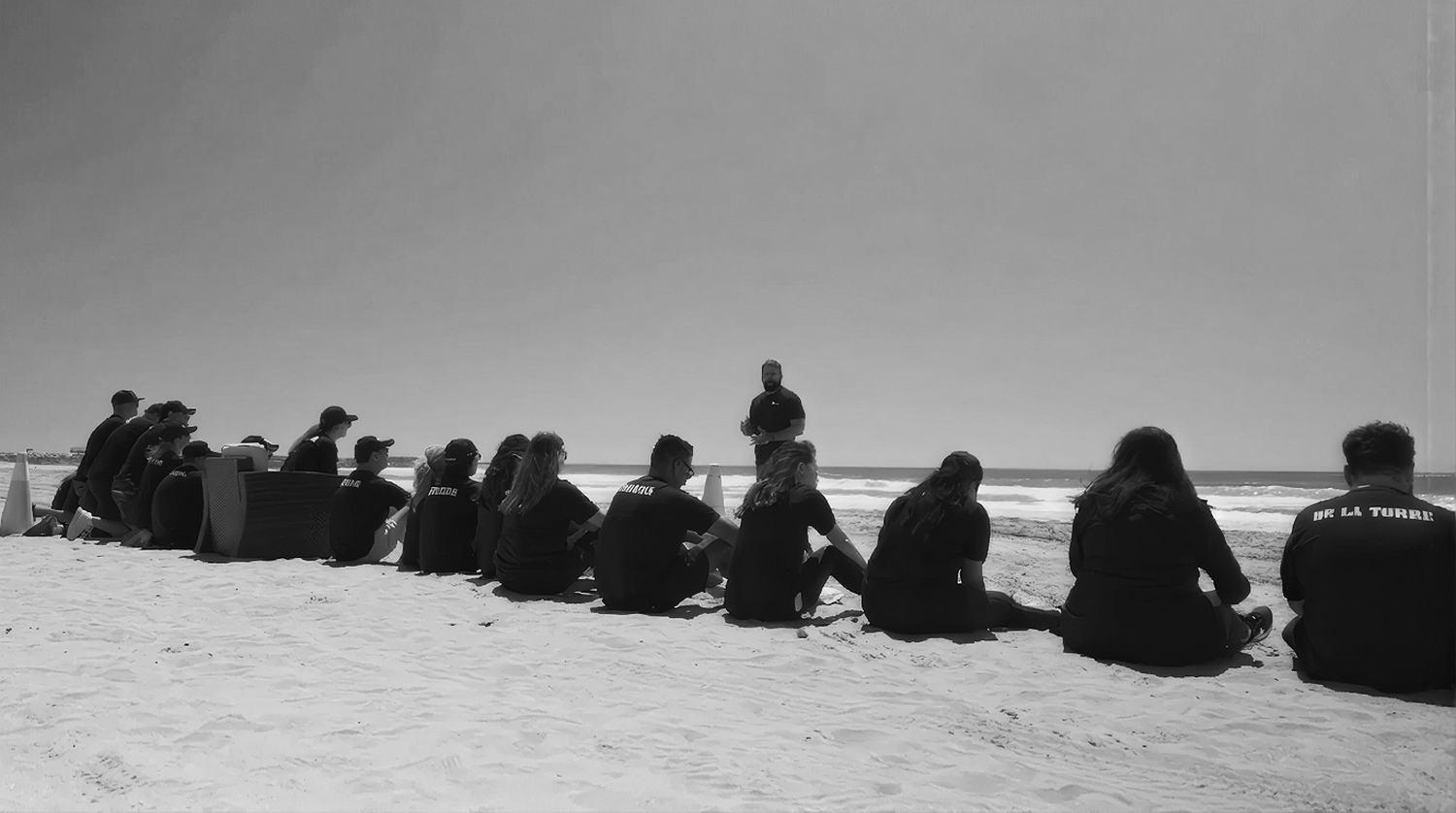
For a milestone year or an annual event that needs to feel distinct, compare the Experience Camp Pendleton packages. They run from three to eight hours and can accommodate up to 50 or 100 depending on the format. Longer programmes combine the history of Camp Pendleton, hospitality and facilitated beach team work led by Prime Hall.
The experience is best suited to an appreciation event when the company wants a substantial shared day, not a quick reward. Begin early enough to coordinate the roster, identification, access needs and group transport. For other local formats, compare the best team-building activities in San Diego.
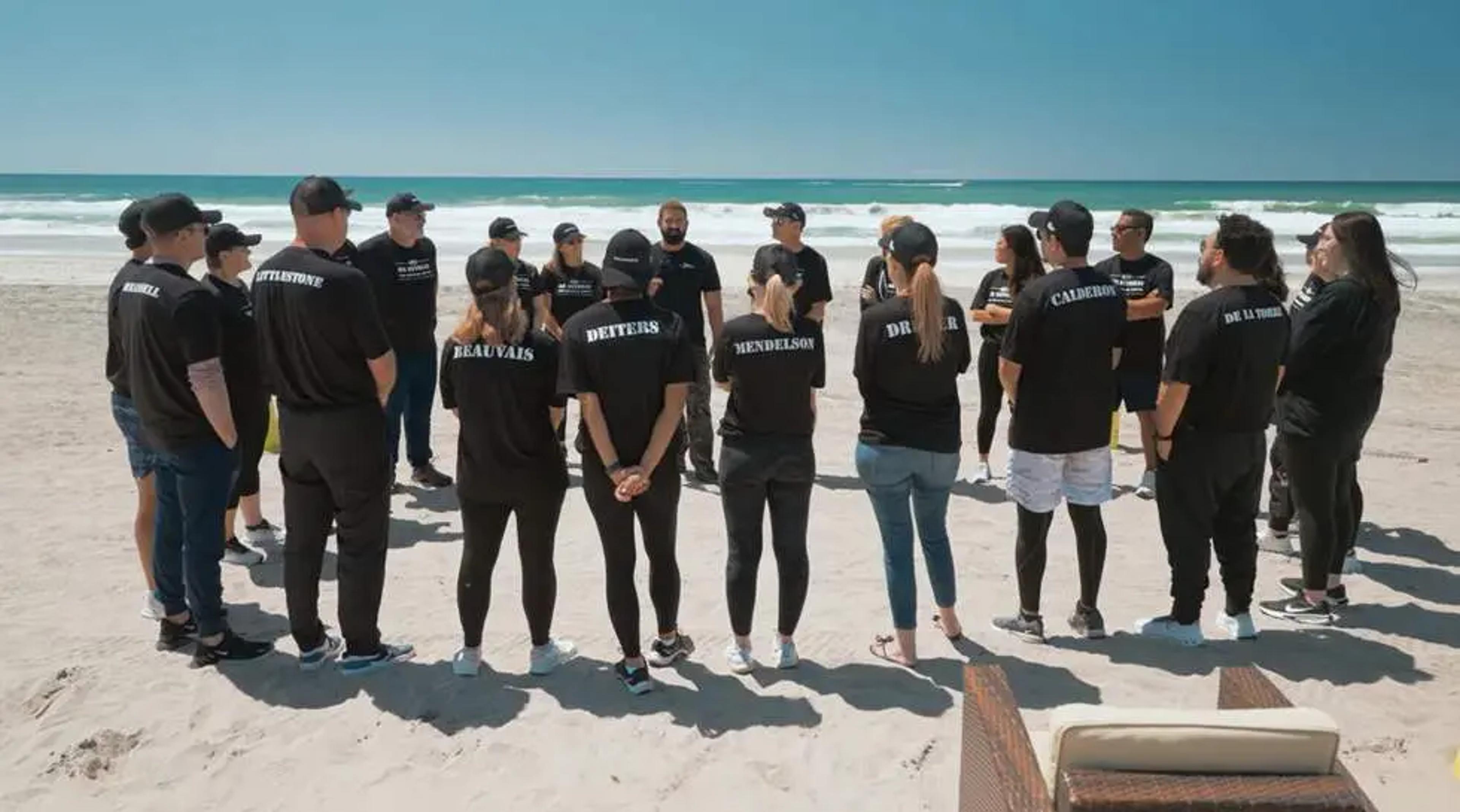
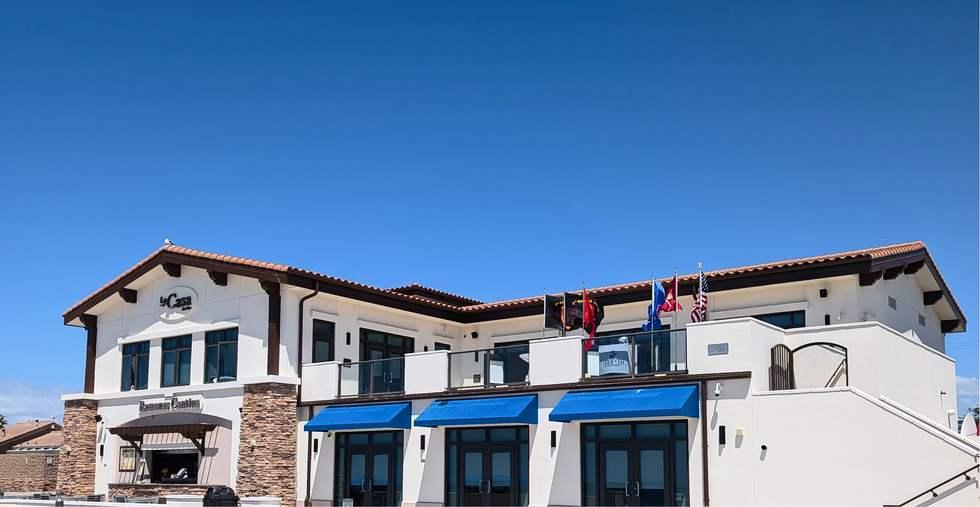
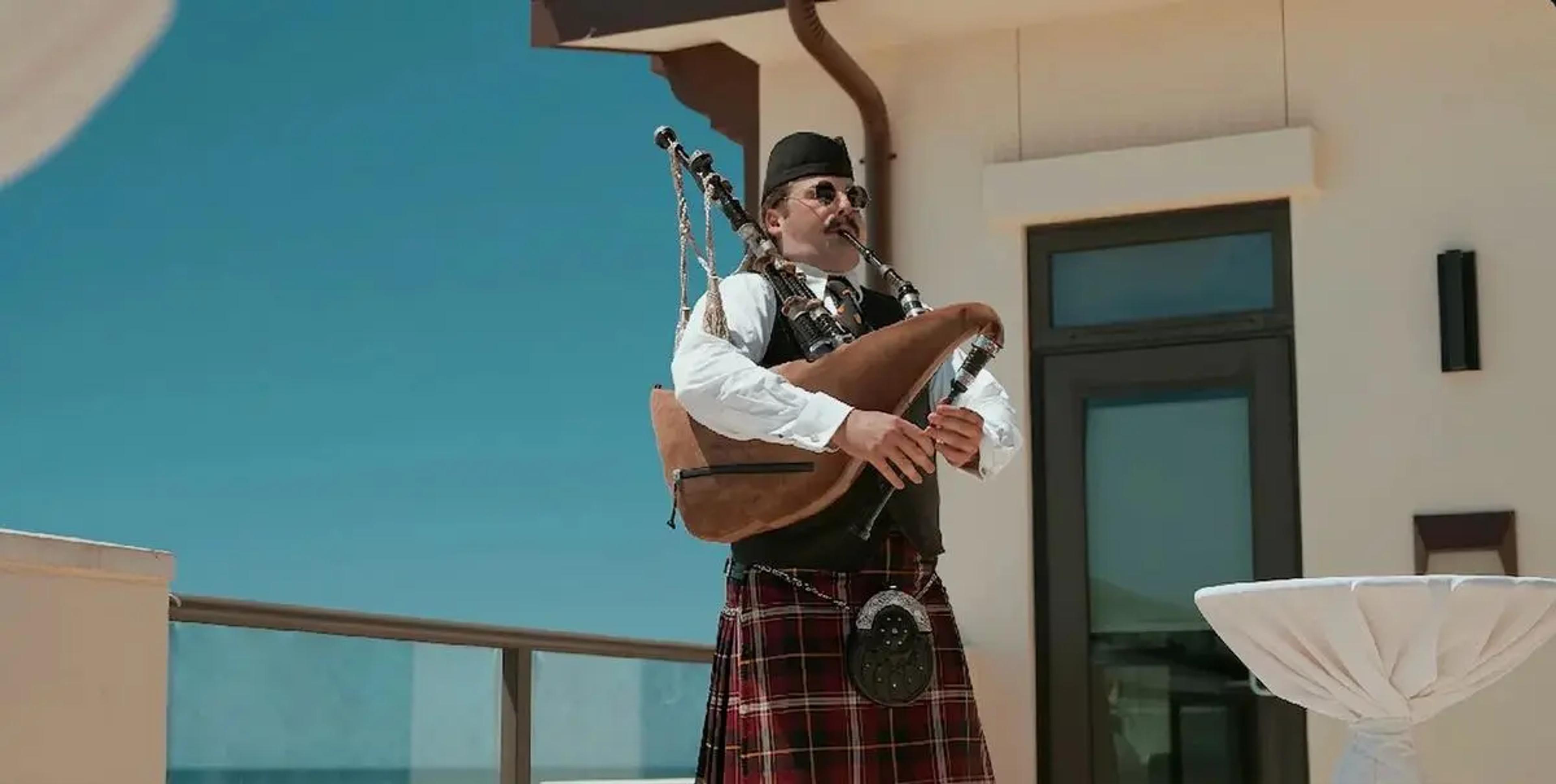
The package shapes let the company match the scale of the recognition. Recruit is a three-hour history-led programme; Leatherneck adds the facilitated beach session in a four-hour format; Devil Dog gives the group five hours with an essentials lunch; Semper Fi creates the complete eight-hour arc across Iron Mike's, La Casa Del Mar and Del Mar Beach, with lunch, keynote and reception elements.
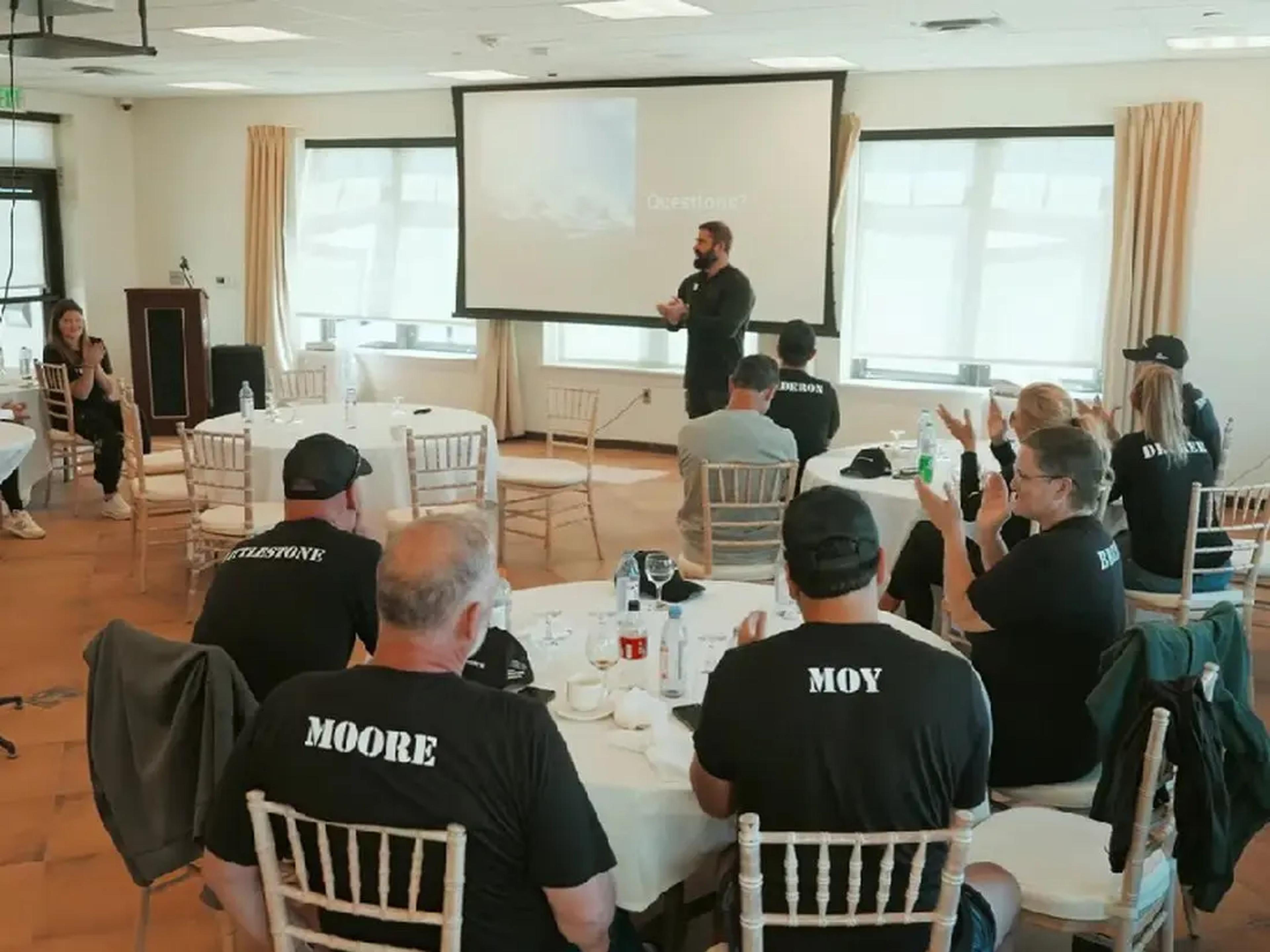
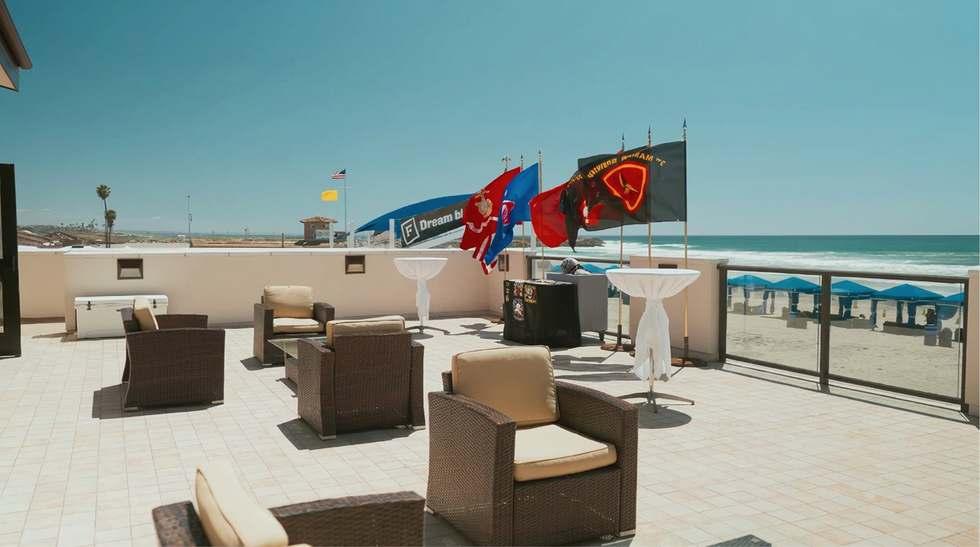
For an appreciation purpose, design the recognition moment into that arc. A brief welcome can name the milestone without turning the morning into an awards show. Managers can give specific private notes during lunch. The keynote and beach work create shared material for the closing, and the terrace reception gives people unprogrammed time together. The location makes the day memorable; the preparation makes it appreciative.
| Appreciation goal | Package shape to discuss | Why |
|---|---|---|
| Short client or leadership thank-you | Recruit, 3 hours | Hosted context without consuming the full day |
| Focused team recognition | Leatherneck, 4 hours | Beach teamwork is included in a half-day shape |
| Shared experience plus meal | Devil Dog, 5 hours | Adds time and essentials lunch for conversation |
| Major annual or milestone event | Semper Fi, 8 hours | Full venue, teamwork, hospitality, keynote and reception arc |
The programme is custom quoted, and access remains controlled by the installation. Before inviting the group, align with the current roster, identification and transport process described in the Camp Pendleton visitor-pass guide.
Experience Camp Pendleton is a commercial service operated by Urban Kitchen Hospitality / Mid Coast Supply Inc. It is not affiliated with, endorsed by or sponsored by the United States Department of Defense, the United States Marine Corps or Marine Corps Community Services. Access is controlled by the installation and subject to change.
Before you ask
Common questions
What is a good employee appreciation event?
A good event combines specific recognition, employee choice, paid participation time and a format that fits the workforce. A contribution-story lunch, employee-choice experience day, hosted local outing or full-day shared experience can all work if people are consulted first.
How much should an employee appreciation event cost?
Use under $50 per person for a thoughtful in-house event, $50–$150 for a hosted local experience and $150–$500+ for a premium full-day event. Add taxes, service charges, transport, accessibility services and contingency before approval.
How do we include remote and frontline employees?
Provide equivalent budgets, multiple paid-time sessions, shift coverage and local or asynchronous options. Do not ask remote employees to watch an office party or frontline employees to attend unpaid after a shift.
Can an appreciation event replace a bonus or pay increase?
No. An event can reinforce genuine recognition, but it does not replace fair compensation, promotion, manageable workload or everyday manager feedback. Present the event as appreciation, not as a substitute for material employment decisions.
How far in advance should we plan an employee appreciation event?
Allow four to eight weeks for a strong local event and longer for peak dates, groups above 50, several locations or unusual access. Experience Camp Pendleton requires advance coordination for participant information, installation access and transport.
What should a manager say at an employee appreciation event?
Name the contribution, the context and the effect: “When you rebuilt the handoff during the launch, support had accurate information and the team avoided a weekend of rework.” Avoid personality labels, vague superlatives and praise for unhealthy hours. Ask whether the employee prefers the recognition publicly, privately or in writing.
How do we know whether an appreciation event worked?
Check whether employees felt accurately recognized, had equal access to the value of the event and could participate without unpaid time or forced performance. Review feedback by shift, location and employment group rather than relying on one average satisfaction score. Also track whether managers continue specific recognition after the event.
Written by
Rene Diaz
President
Four packages
Bring your
team here.
Half a day to a full day, from a history session and lunch to both venues, beach team building and a reception on the deck.