

Team Building vs Team Bonding: Which Does Your Team Need?
Understand the difference between team building and team bonding, compare practical examples, and choose the right balance for your next team offsite.

You have a date in mind, a group to bring together and a budget to make count. Before choosing an activity, decide what you want people to take away from the day.
Team building focuses on how people work together. Team bonding focuses on their relationships. A structured challenge can help a team practise communication, while a shared meal gives colleagues time to get to know each other. One event can make room for both.
The terms often overlap. An escape room, cooking session or beach activity could serve either purpose, depending on how it is organised. The useful question is what your team needs and how the experience will support it.
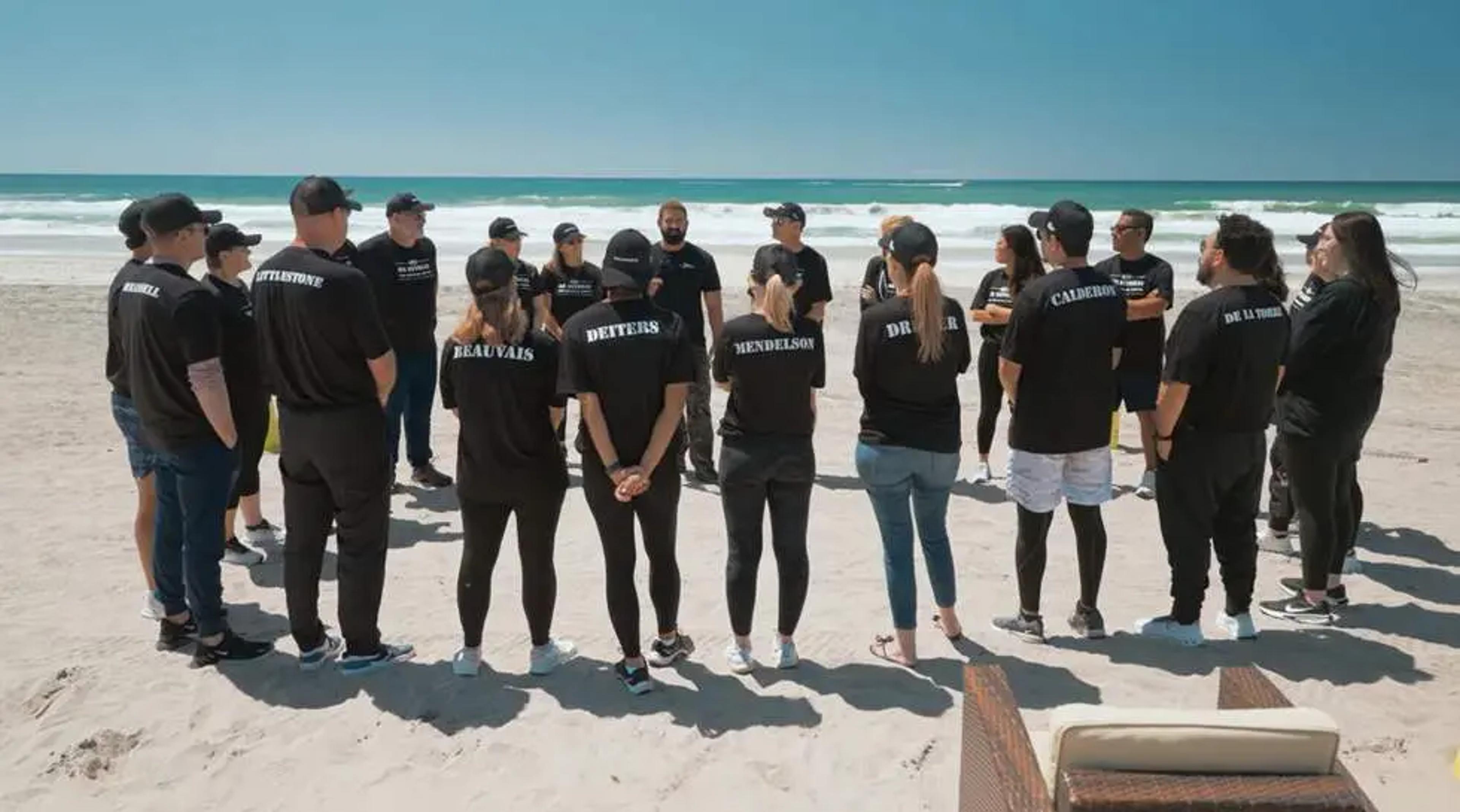
What is team building?
Team building is the deliberate practice of working better as a group. An activity gives people a shared task, and a discussion afterwards helps them examine how they approached it. The focus might be sharing information, listening, dividing responsibilities or making decisions.
A clear objective makes the exercise more useful. “Have a good day together” leaves a lot open. “Practise checking that everyone understands the plan before we start” gives the organiser and facilitator something concrete to work with.
Example: a challenge with a communication goal
Give small groups the same materials and ask them to build a freestanding structure within a time limit. Before they begin, ask each group to agree on responsibilities. Afterwards, discuss what happened when someone had a different idea or spotted a problem.
The structure itself is only part of the exercise. The useful takeaway might be a decision to check assumptions earlier in the next project. Our team-building ideas for work offer more activities to match different goals.
What is team bonding?
Team bonding means creating opportunities for colleagues to connect through shared experiences. It can be as simple as a relaxed lunch or as organised as a creative class. The emphasis is on spending enjoyable time together without making every conversation about a task or deadline.
This can be especially valuable when colleagues interact mainly through messages, have recently joined the company or rarely meet people outside their own department. Good planning leaves room for different personalities and avoids putting people under pressure to share personal information.
Example: a lunch that makes conversation easier
Arrange a team lunch during working hours, with enough time for people to settle in. Invite colleagues to sit with someone they do not usually work beside, without forcing a seating game. A light conversation prompt can help, but people should be free to talk naturally.
If the occasion is about thanking employees, explore employee appreciation event ideas that put recognition and shared enjoyment at the centre of the day.
Team building vs team bonding at a glance
These distinctions are a planning guide. An activity can support both goals, and the same activity can feel very different depending on its purpose and delivery.
| What you are comparing | Team building | Team bonding |
|---|---|---|
| Main purpose | Practise a particular way of working together. | Give colleagues space to connect and share an experience. |
| Typical structure | A task, clear instructions and time to reflect. | A social or shared activity with room for informal conversation. |
| Facilitation | Useful for guiding the exercise and discussing what happened. | May be light-touch, although a host can help people feel welcome. |
| Example | A group challenge followed by a discussion about communication. | A team meal, creative session or relaxed outing. |
| Question afterwards | What will we try differently when we next work together? | Did people feel included and have time to connect? |
| What to avoid | An exercise with no clear purpose or follow-up. | Forced fun, uncomfortable personal questions or an activity that excludes people. |
Which does your team need?
Start with the situation you are trying to address. Ask the team what would make the time worthwhile before committing to a format.
When colleagues need to get to know each other
Give bonding more space. New starters, remote colleagues and people from different offices may appreciate a shared experience with plenty of time to talk. Keep introductions easy and avoid filling the whole schedule with competitive tasks.
When a specific working habit needs attention
Choose a team-building activity around that habit. If handovers are unclear, for example, use an exercise that requires people to exchange information and confirm their understanding. Plan a discussion about how that applies at work.
An offsite cannot resolve every workplace problem. Unclear responsibilities, excessive workloads and unresolved conflict also need attention in day-to-day management.
If you want to connect a shared challenge with a practical change at work, our guide to experiential team building explains how to structure the activity, reflection and follow-up.
When the purpose is appreciation
Let the day feel like a thank-you. A meal, shared outing or enjoyable group activity may be a better starting point than a detailed review of how the team performs. Explain the purpose clearly so colleagues know what to expect.
When you want connection and a useful takeaway
Combine a focused activity with informal time. Give each part enough room to work. A team should be able to discuss an exercise without watching the clock, then enjoy lunch without turning it into another meeting.
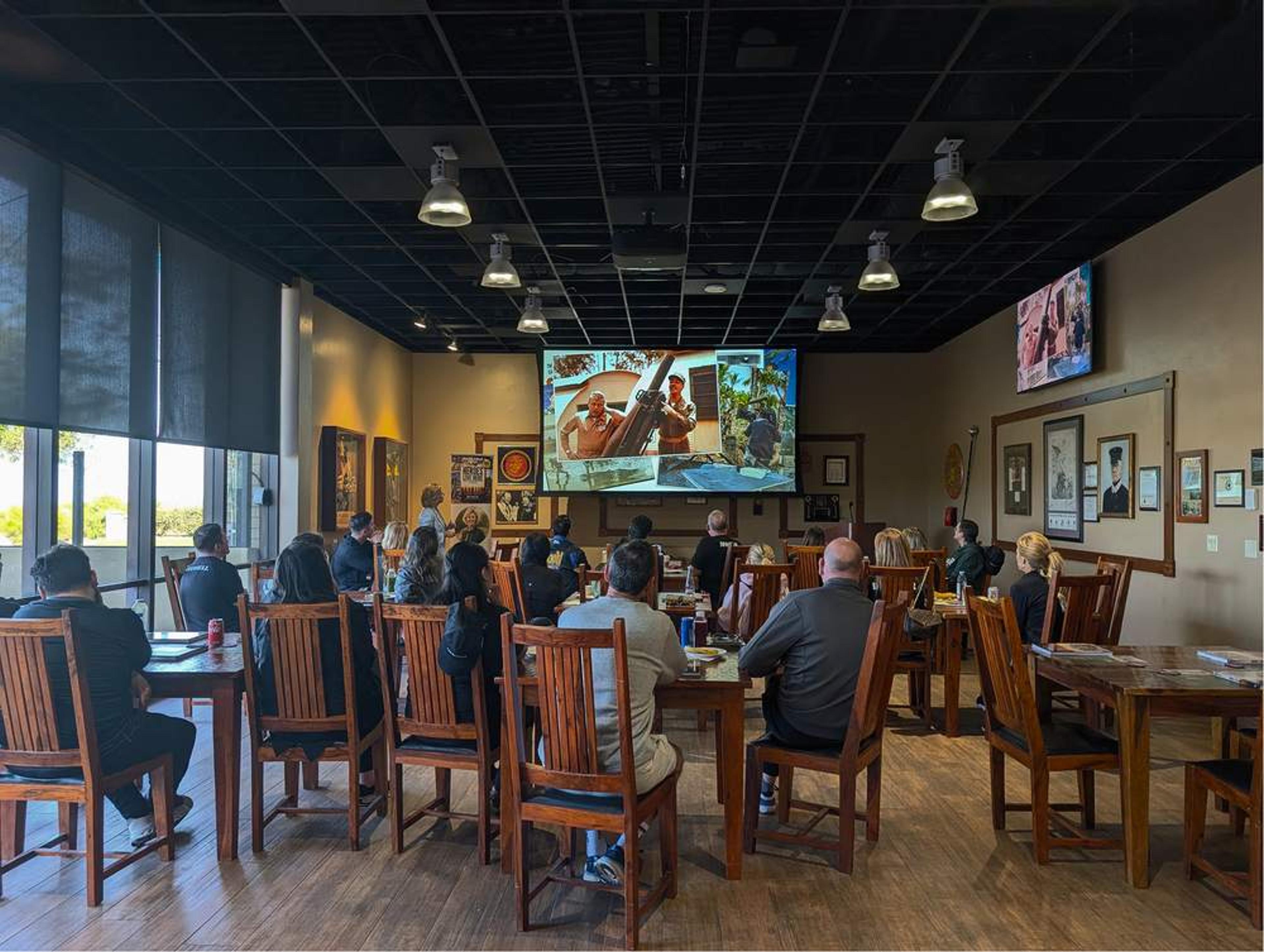
Can one event include team building and team bonding?
Yes. Choose a primary aim, then make space for both structured and informal time. For example, a team that wants to practise collaboration can work through a challenge, reflect on the experience and finish with a relaxed meal.
The following four-hour outline illustrates that balance. It is a planning example, not an EXCP package itinerary.
| Time | Session | Purpose |
|---|---|---|
| 0:00–0:30 | Arrival, refreshments and introductions | Let people settle in and meet colleagues. |
| 0:30–1:30 | Facilitated group activity | Practise one agreed collaboration skill. |
| 1:30–1:45 | Break | Give everyone time to pause. |
| 1:45–2:15 | Group reflection | Discuss what happened and choose one action to try at work. |
| 2:15–3:30 | Lunch and informal conversation | Leave space for relationships and shared enjoyment. |
| 3:30–4:00 | Closing conversation and departures | Thank the group and agree how to follow up. |
Adjust the timings for travel, the venue and participation needs. Our guide to planning a company offsite can help you work backwards from the event date.
Bringing your team together at Camp Pendleton
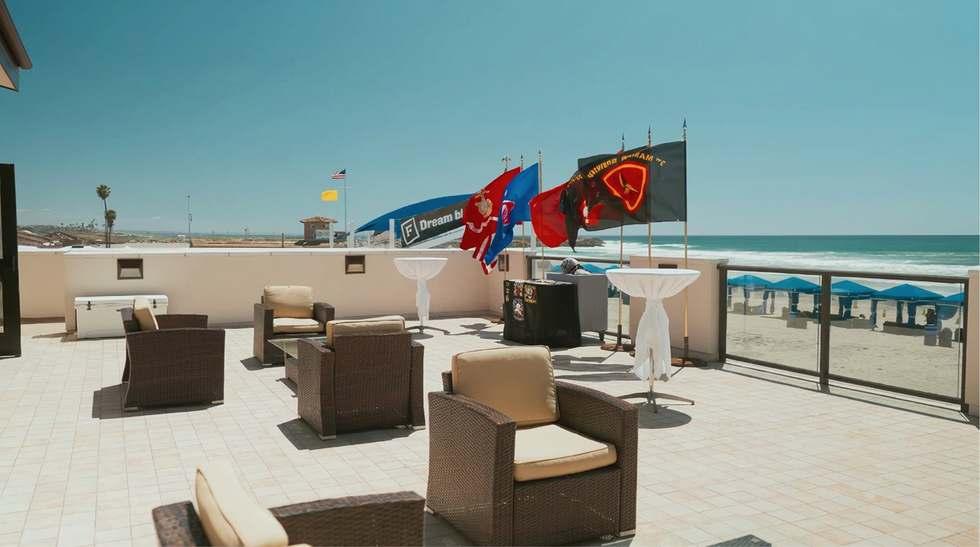
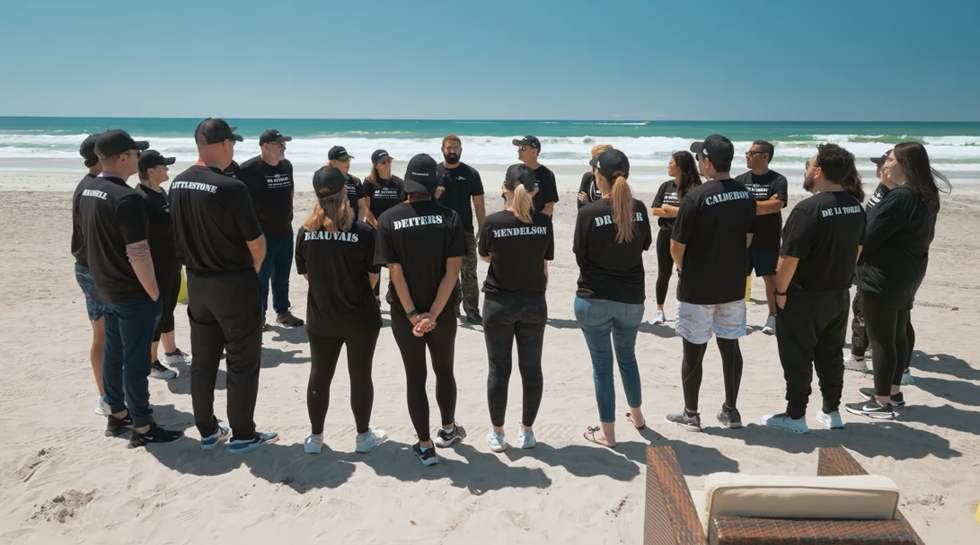
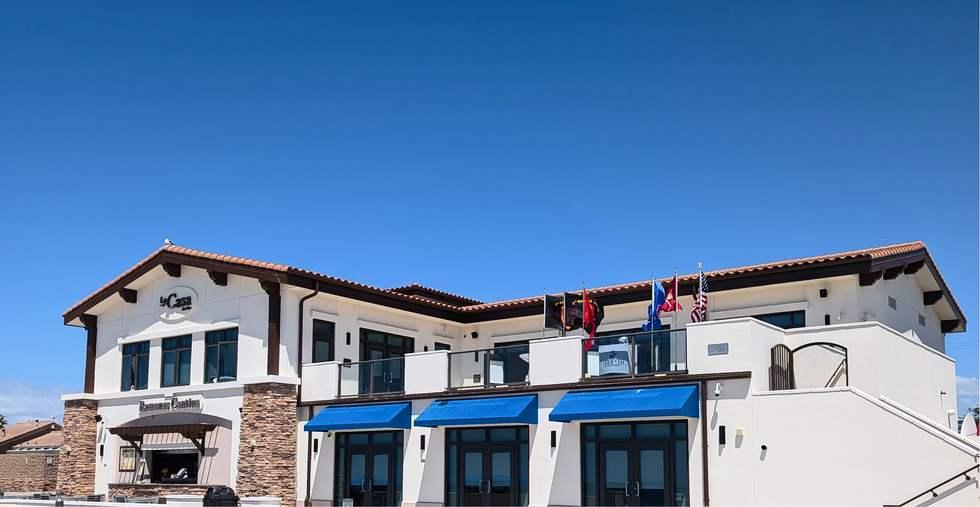
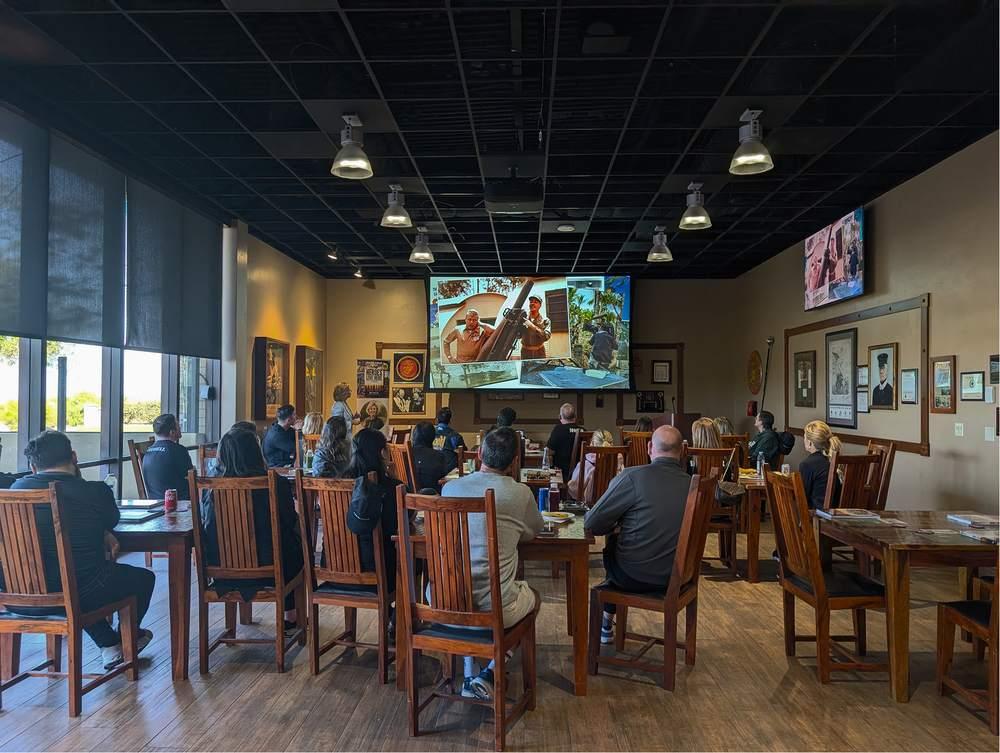
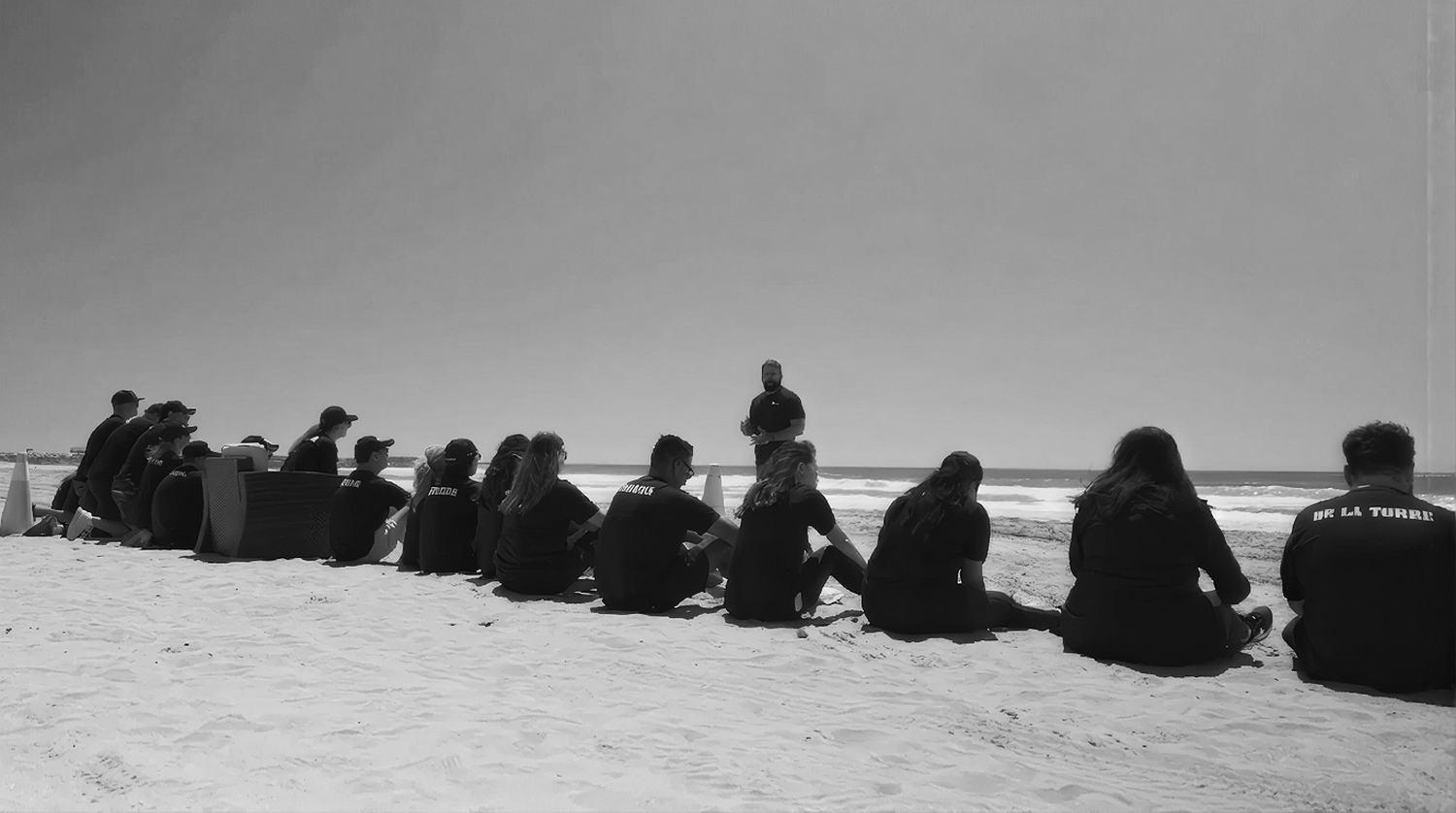
For a team considering an offsite in the San Diego area, Experience Camp Pendleton offers a setting for shared activities and time together. The experience combines beach team building, history and hospitality, with options that vary by package.
The five-hour Devil Dog package, for example, lists a 90-minute beach team-building session and an essentials lunch. That gives an organiser a starting point for discussing a day with both an organised activity and time around the table. Confirm the final schedule and inclusions when planning your event.
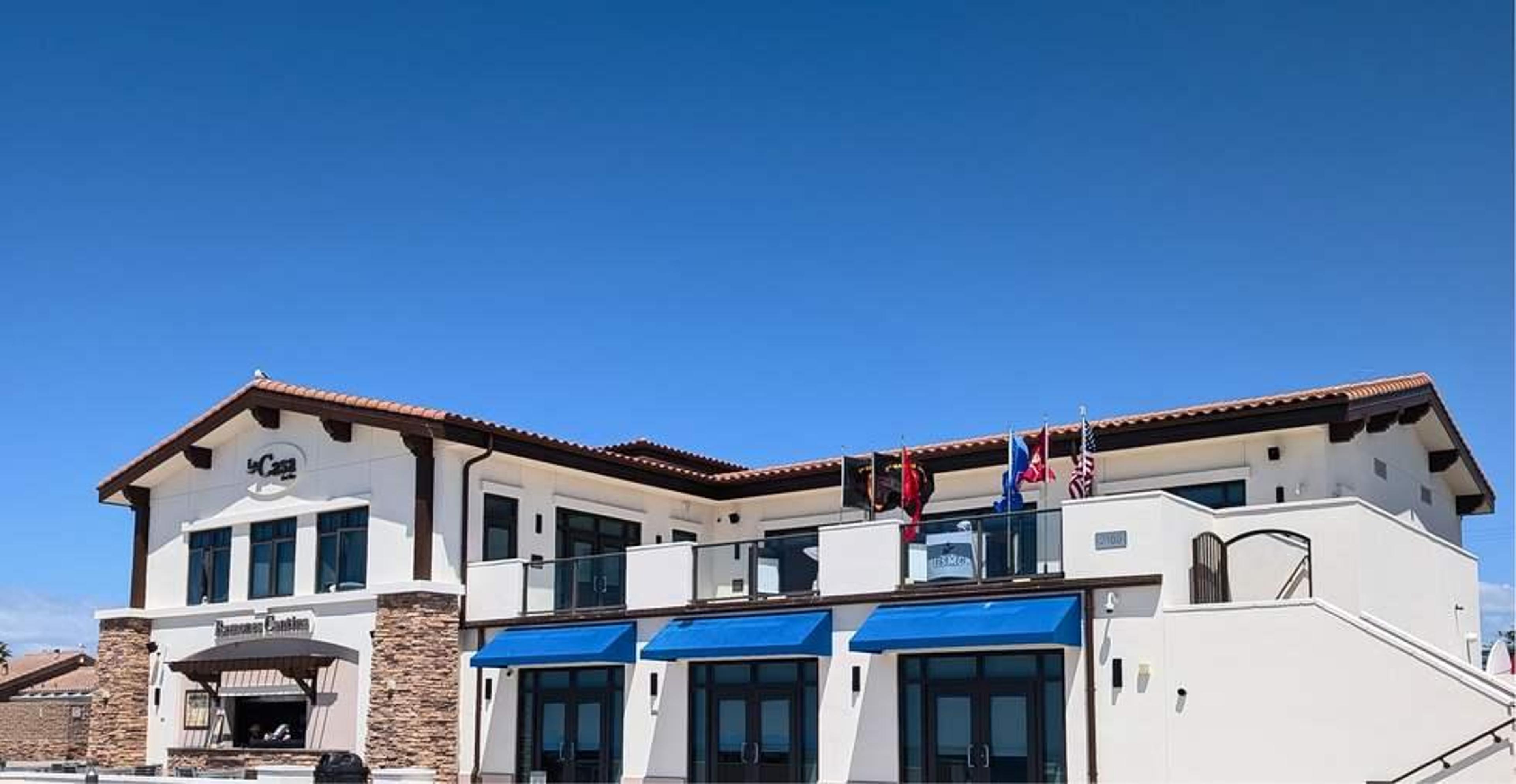
Tell the organiser what your group needs, including any mobility, participation or dietary requirements. The website describes physical activities as optional and scaled to the group; discuss the specific arrangements before booking.
You do not need to arrive knowing the name of the right activity. Bring a clear objective, an approximate group size and the time you have available. Those details make it easier to plan a suitable experience.
How to make the day useful afterwards
For team building, finish with one realistic action rather than a long list of ambitions. It could be a clearer handover checklist or a brief check-in before starting a shared task. Agree who will revisit it at the next team meeting.
For team bonding, ask whether people felt comfortable, included and able to connect. Use that feedback to plan the next gathering. A positive day is valuable, but attendance and enjoyment alone do not establish an improvement in business performance.
Before you book, answer these five questions
- Are we prioritising a working skill, connection, appreciation or a mix?
- How many people are attending, and how well do they know each other?
- What participation needs and preferences should shape the activity?
- How much time do we have once travel and breaks are included?
- What would make the experience worthwhile, and how will we follow up?
Plan a day that fits your team
Share your group size, preferred timeframe and what you want people to get from the experience. Explore the Camp Pendleton options and start a conversation about a suitable event.
Before you ask
Common questions
Is team bonding the same as team building?
They overlap, but their emphasis differs. Team building usually has a deliberate collaboration goal. Team bonding gives colleagues opportunities to strengthen relationships through shared experiences. An event can support both.
Is an escape room team building or team bonding?
It can be either. A casual visit may focus on enjoyment and connection. With a clear objective and a discussion afterwards, the same format can become an exercise in communication or decision-making.
Which is better for a remote team meeting in person?
Consider what people need from the rare opportunity to be together. Leave enough informal time to connect. Add a focused activity if the group also wants to practise a specific way of working.
Does team building have to be physically demanding?
No. Discussion exercises, creative tasks and problem-solving activities can involve little physical exertion. Choose a format around your group's needs and confirm the available participation options with the organiser.
How often should we organise team bonding?
There is no single schedule that suits every team. Base it on how often colleagues meet, the team's preferences and the time available. Small opportunities to connect between larger events can be part of the plan.
Written by
Rene Diaz
President
Four packages
Bring your
team here.
Half a day to a full day, from a history session and lunch to both venues, beach team building and a reception on the deck.