

Experiential Team Building: What It Is, Examples and How It Works
Learn how experiential team building connects shared activities with reflection, practical examples and useful changes at work.
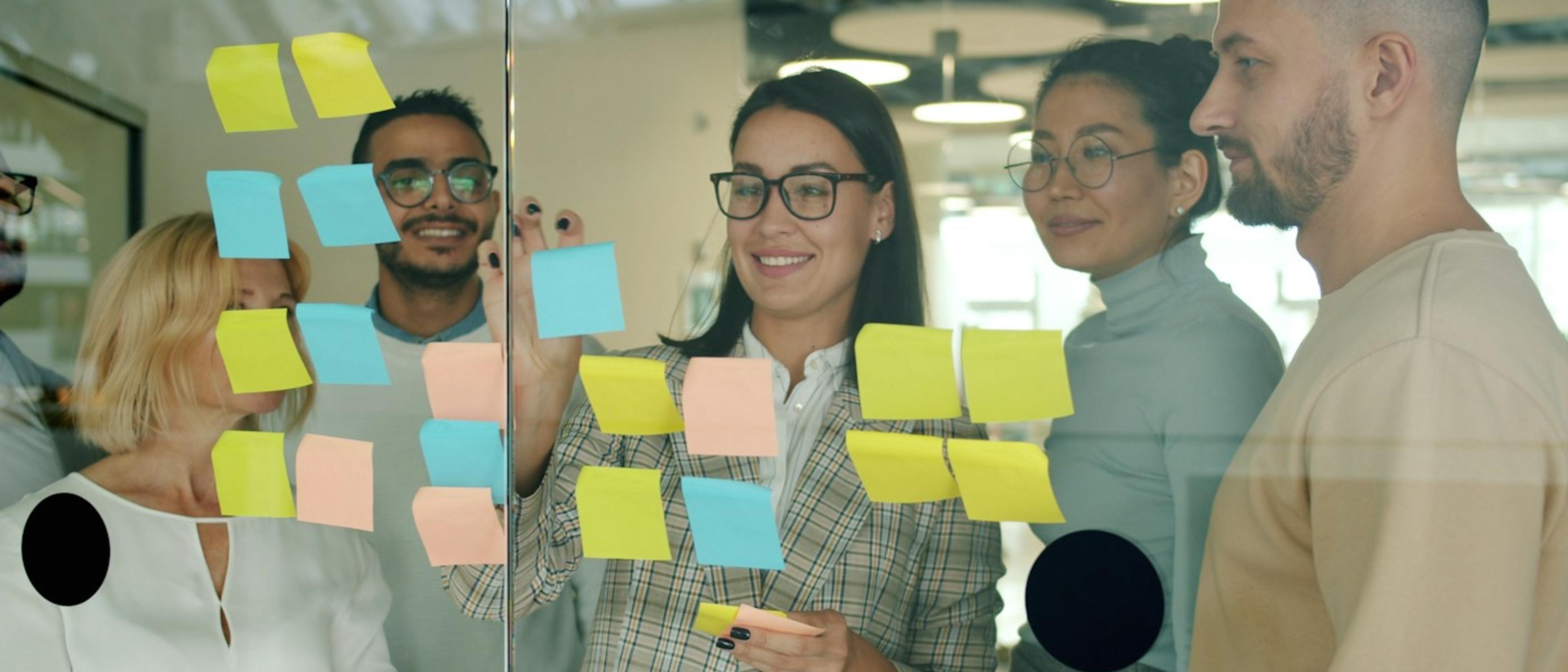
A team can talk about communication all morning and still leave with different ideas about what good communication looks like. Give people a shared task, then time to discuss what happened, and they have something concrete to work with.
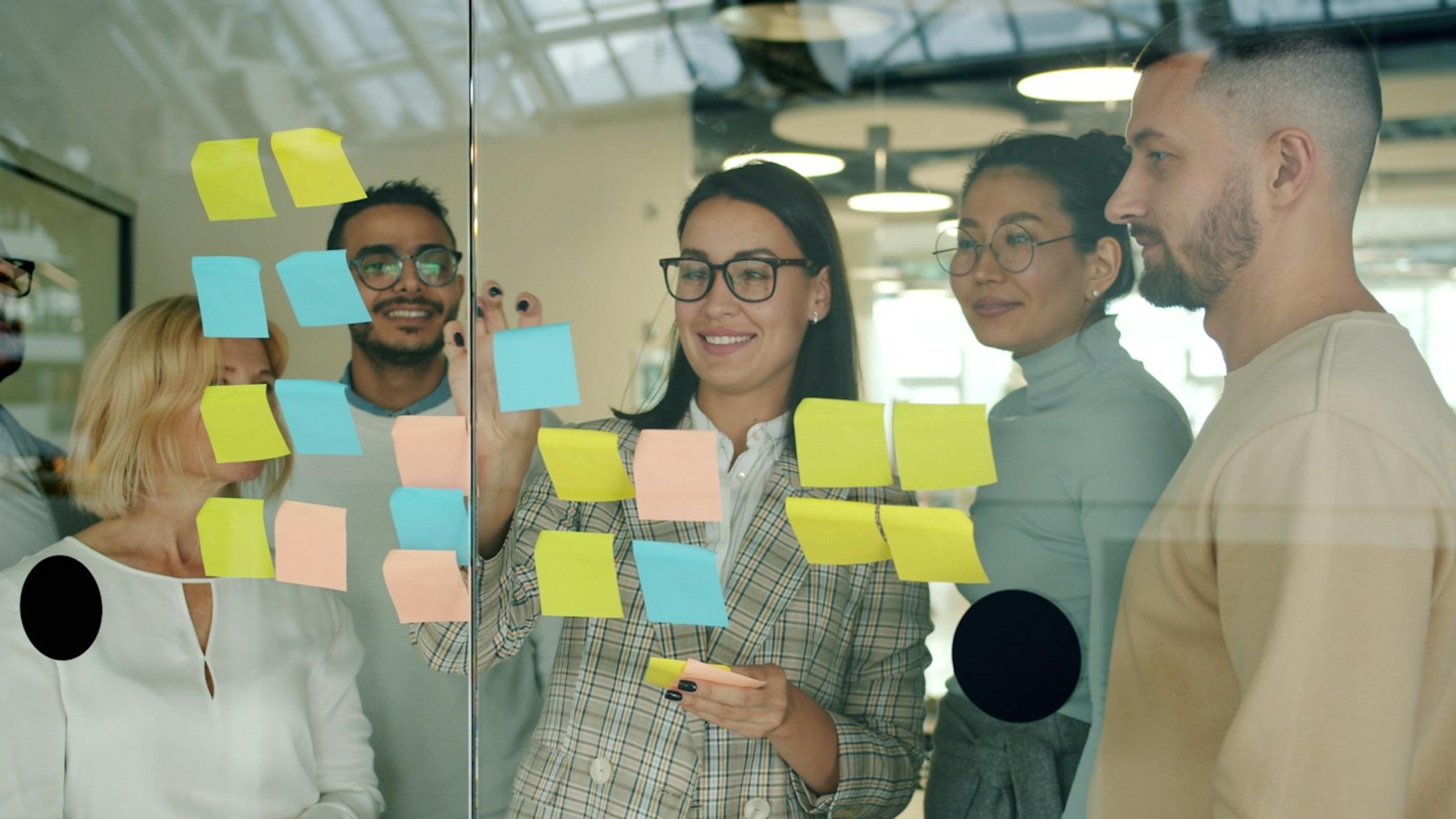
Illustrative stock photo by Vitaly Gariev on Unsplash.
Experiential team building uses a shared activity, reflection and discussion to help people examine how they work together. The activity creates an experience to learn from. The conversation afterwards connects that experience to a practical change at work.
What makes team building experiential?
Imagine two groups building a small model from the same instructions. One starts immediately. The other checks what everyone thinks the finished model should look like. When they compare their results, they can explore how assumptions, questions and decisions shaped the work.
The model itself is only the starting point. Without reflection, the session may end as an enjoyable challenge. With a thoughtful discussion and a second attempt, people can try a different approach and notice what changes.
This approach draws on learning through experience. The Institute for Experiential Learning explains Kolb's learning cycle through experience, reflection, thinking and action. For a team event, those stages can be translated into four practical steps:
- Try a task: give the group a shared goal and clear participation options.
- Notice what happened: ask what people observed, including different perspectives on the same moment.
- Discuss the lesson: connect observations to a relevant workplace situation.
- Try a change: repeat the task differently or agree on a small experiment for the next working week.
If the main aim is simply to help colleagues get to know each other, leave room for that too. Our guide to team building vs team bonding explains how the two purposes can fit into the same day.
Experiential team building vs traditional workshops
Both formats can be useful. A presentation can introduce a shared method or explain a new process. A practical exercise lets people try using it together. Many well-designed workshops combine both.
| Planning question | Experiential team building | Presentation-led workshop |
|---|---|---|
| What do participants do? | Complete a task, reflect on it and test an adjustment. | Learn from an explanation, demonstration or guided discussion. |
| When is it useful? | When the team wants to explore a working habit through practice. | When people need common information or an introduction to a method. |
| What does the facilitator do? | Sets up the task and helps the group interpret its experience. | Explains the material, invites questions and checks understanding. |
| Where can it happen? | In a meeting room, online or outdoors, depending on the activity. | Usually in a meeting room or online, with suitable presentation facilities. |
| What should happen afterwards? | Agree on a specific behaviour to try and revisit it. | Give people a chance to apply the material and ask further questions. |
For example, a team struggling with unclear handovers might first learn a simple briefing format. It could then use that format in a simulation, compare what the receiving group understood and revise the briefing. The explanation and the experience support each other.
Five experiential team building activities to consider
Choose an example around the behaviour you want to explore. The timings and group sizes below are suggested planning ranges for these versions, unless an official session duration is stated. Allow time for discussion as well as the task.
Compare the activities at a glance
| Activity | Focus | Suggested time | Group format | Setting |
|---|---|---|---|---|
| Drawing exercise | Clear instructions and questions | 15 to 20 minutes | Pairs | Indoors or online |
| Construction challenge | Roles and coordination | 30 to 45 minutes | Four to six per group | Table space indoors or a sheltered outdoor area |
| 1-2-4-All | Broader participation | About 15 minutes, plus reflection | At least four people | Indoors or online with breakout rooms |
| Handover simulation | Ownership and missing information | 30 to 40 minutes | Four to eight per group | Indoors or online |
| Facilitated beach session | A shared outdoor experience | 90 minutes listed in applicable EXCP packages | Confirm with the organiser | Camp Pendleton beach |
Suggested ranges apply to the versions described here. Confirm the final format and timing with your facilitator.
1. A drawing exercise for clearer instructions
Best for: checking assumptions. Suggested format: pairs, 15 to 20 minutes.
One person describes a simple picture while their partner draws it without seeing the original. Compare the two, then try another round with opportunities to ask questions. Erica Marx's Back to Back Drawing method on SessionLab offers a starting point.
Debrief: Which instruction sounded clear to the speaker but confused the listener? At work: try asking the person receiving a brief to explain their understanding before starting.
2. A construction challenge for coordination
Best for: exploring roles and shared expectations. Suggested format: groups of four to six, 30 to 45 minutes.
Give each group a small construction task with building blocks. Ask them to agree how they will divide the work, then pause to compare their plan with what actually happened. The LEGO Challenge on SessionLab is an established activity to explore when choosing a facilitated version.
Debrief: Where did people make different assumptions about the goal or their role? At work: use a short responsibility check before the next shared project.
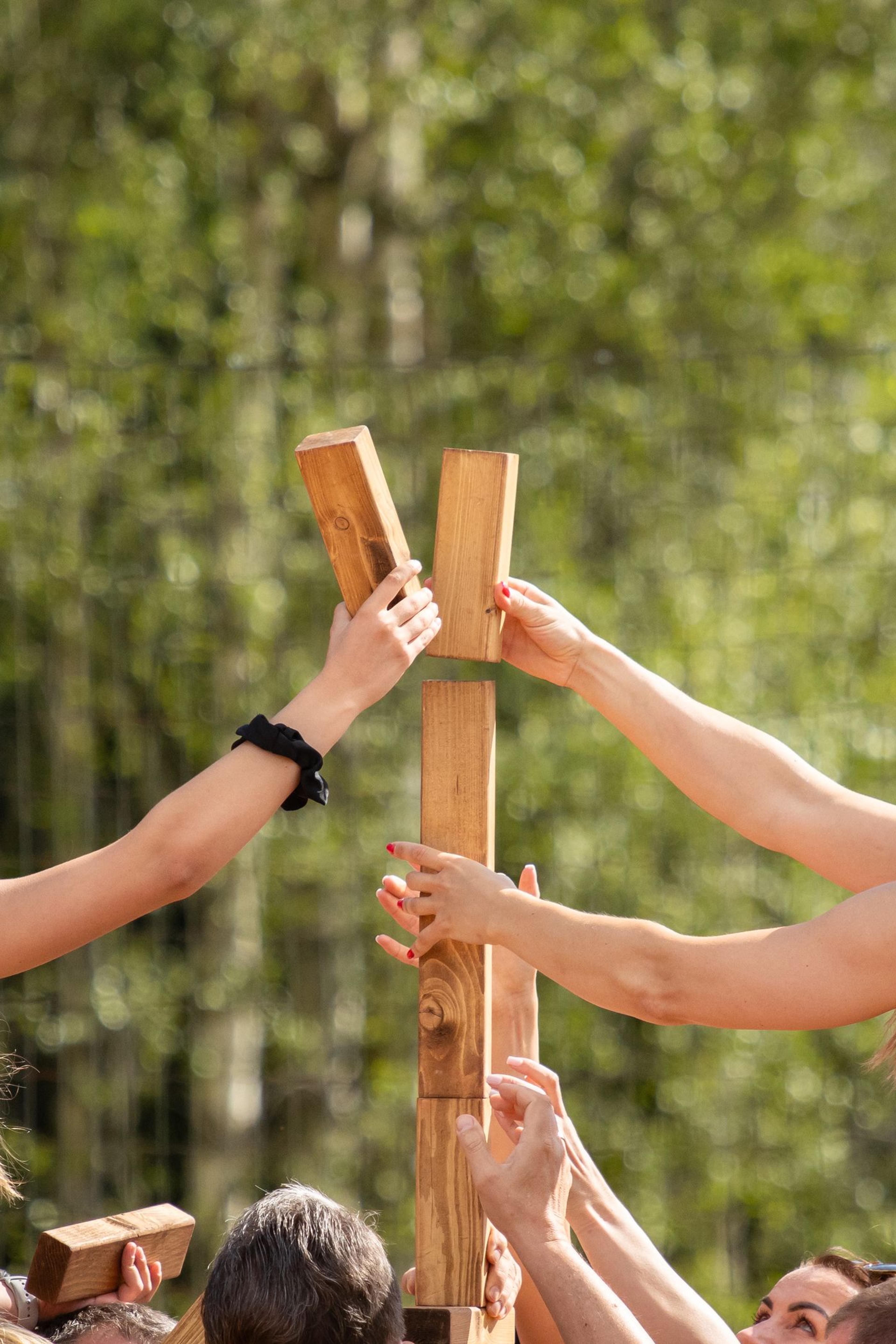
Illustrative stock photo by Krista Glīzdeniece on Pexels.
3. A structured discussion that includes more voices
Best for: practising broader participation. Suggested format: at least four people, about 15 minutes plus reflection.
Use 1-2-4-All from Liberating Structures: participants consider a question individually, exchange ideas in pairs, then groups of four, before sharing with everyone. Try it with a real question such as how to improve the team's weekly meeting.
Debrief: What changed when people had time to think before speaking? At work: test the format during a planning meeting and ask whether it helped people contribute.
4. A handover simulation for shared ownership
Best for: exploring gaps between functions. Suggested format: groups of four to eight, 30 to 40 minutes.
For this suggested exercise, create a fictional client request. One group prepares a brief; another uses only that brief to propose the next steps. Compare the two groups' assumptions, add the missing information and repeat with a fresh request.
Debrief: Which decisions had no clear owner? At work: agree who supplies, checks and accepts a handover. Atlassian's Roles and Responsibilities play is a separate resource for developing that follow-up conversation.
5. A facilitated outdoor team session
Best for: bringing colleagues together around a shared experience outside their usual setting. Planning: agree group size and participation arrangements with the provider.
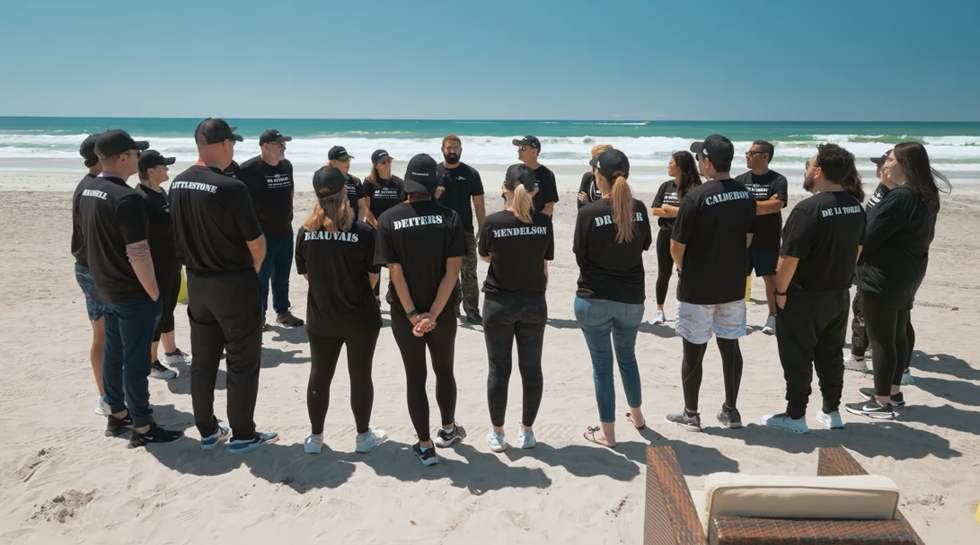
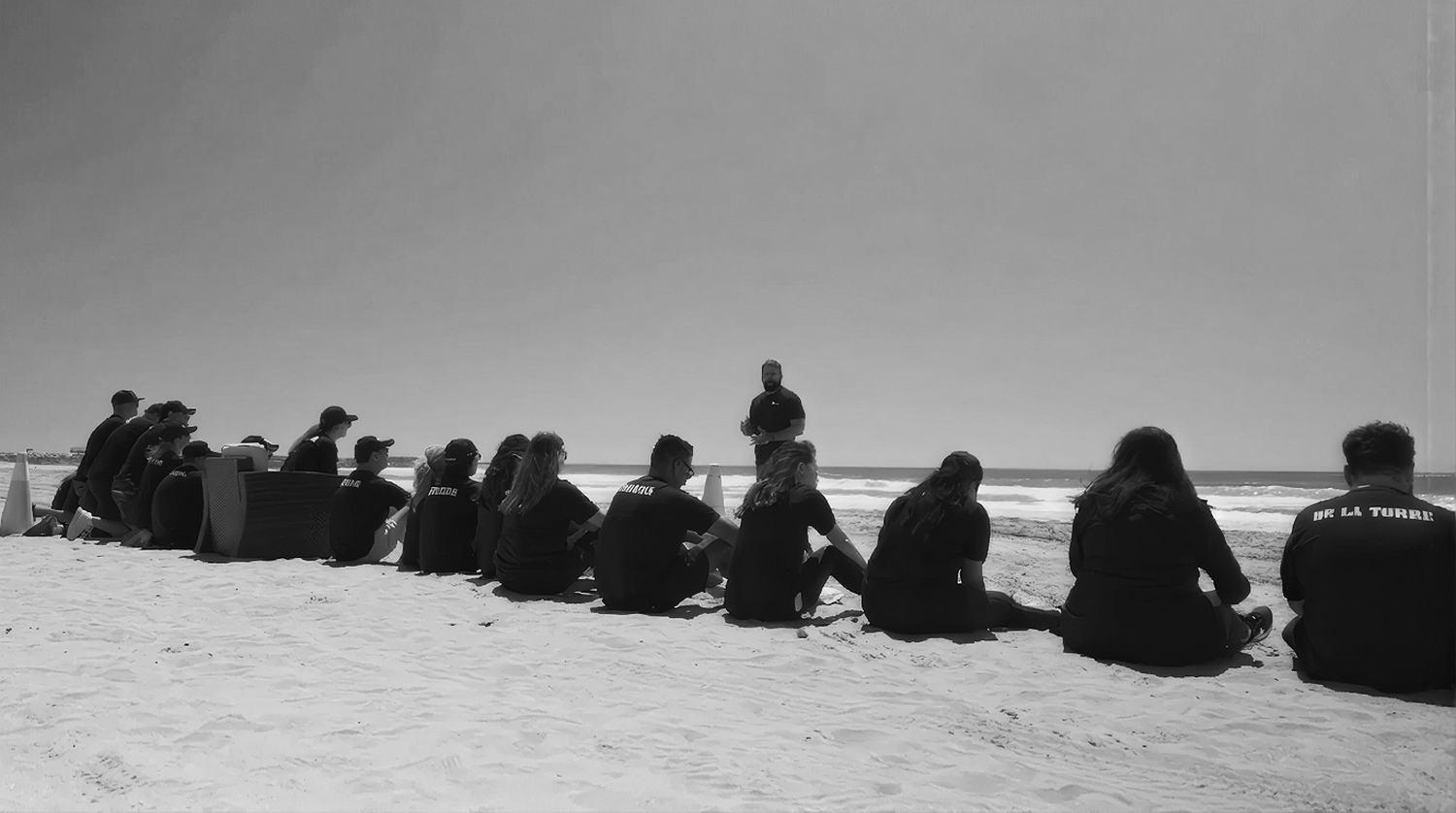
A facilitated outdoor session can give a group experiences to discuss together. At Experience Camp Pendleton, the five-hour Devil Dog package lists 90 minutes of beach team building and an essentials lunch. Ask the organiser how the activities and discussion can support your team's objective.
Debrief: When did the group pause, listen or change its approach? At work: choose one observation to explore at the next team meeting.
For more settings and formats, browse our outdoor team building ideas for adults. If you are planning something in the office, our team building ideas for work provide other starting points.
A sample 60-minute experiential team building session
This illustrative agenda uses the drawing exercise to explore clearer communication. It is a planning example, not a confirmed Camp Pendleton itinerary. Adjust the pace and participation options for your group.
| Time | What happens | Purpose |
|---|---|---|
| 0 to 5 minutes | Explain the goal and agree how everyone can participate. | Give the activity a clear focus. |
| 5 to 15 minutes | Complete the first drawing round in pairs. | Experience giving and receiving instructions. |
| 15 to 25 minutes | Compare pictures and discuss where instructions were interpreted differently. | Notice assumptions without assigning blame. |
| 25 to 30 minutes | Choose one adjustment, such as checking understanding. | Turn an observation into something testable. |
| 30 to 40 minutes | Switch roles and try a fresh picture using the adjustment. | Practise another approach. |
| 40 to 50 minutes | Discuss what changed and where a similar situation arises at work. | Connect the task to everyday collaboration. |
| 50 to 60 minutes | Agree one workplace experiment and a date to revisit it. | Give the learning a practical next step. |
The 60 minutes cover the whole session, including discussion and follow-up planning. The drawing rounds take 20 minutes in total. For a longer event, leave room for breaks and informal conversation.
How to choose the right experience for your team
Start with a situation people recognise. “We want better teamwork” is hard to plan around. “We want to ask clarifying questions before starting a shared task” gives the organiser something specific to work with.
Then consider the group. New colleagues may need a low-pressure introduction before tackling a challenge together. An established team may benefit from looking at a recurring frustration, provided the discussion focuses on the process rather than blaming individuals.
Before booking, cover these details:
- Participation: discuss mobility, sensory, communication and other access needs, including alternatives to physical activities.
- Time: include the briefing, activity, reflection, breaks and travel.
- Facilitation: ask who leads the discussion and how it will connect to your objective.
- Practical arrangements: confirm materials, weather plans, catering and arrival instructions.
- Follow-up: decide who will revisit the agreed action after the event.
Our guide to planning a company offsite can help you bring these decisions into the wider event plan.
Common mistakes to avoid
Do not fill every minute with activities and leave the reflection until everyone is packing up. Avoid treating the fastest group as the team that worked best: ask how it reached the result. And give people ways to contribute without making personal disclosure or physical competition a condition of taking part.
Planning an experiential team day at Camp Pendleton
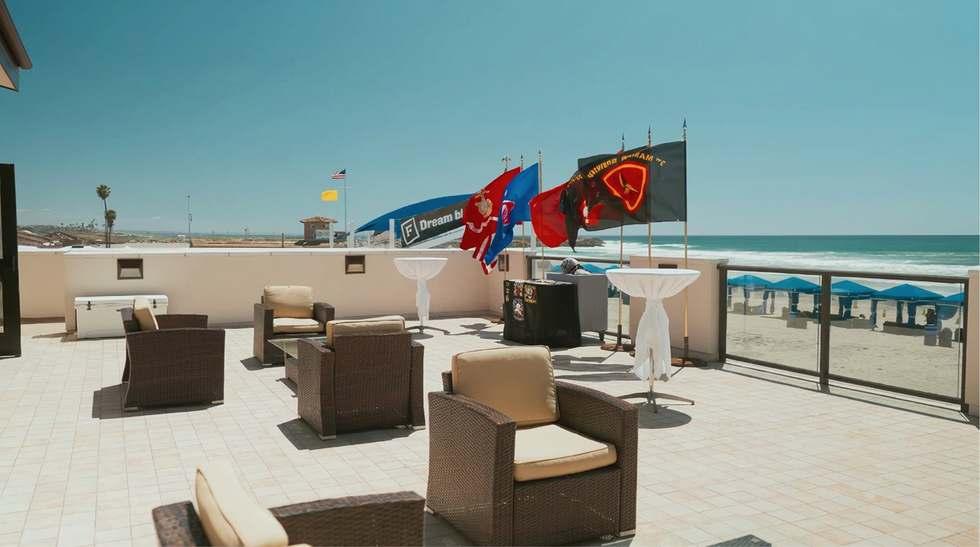
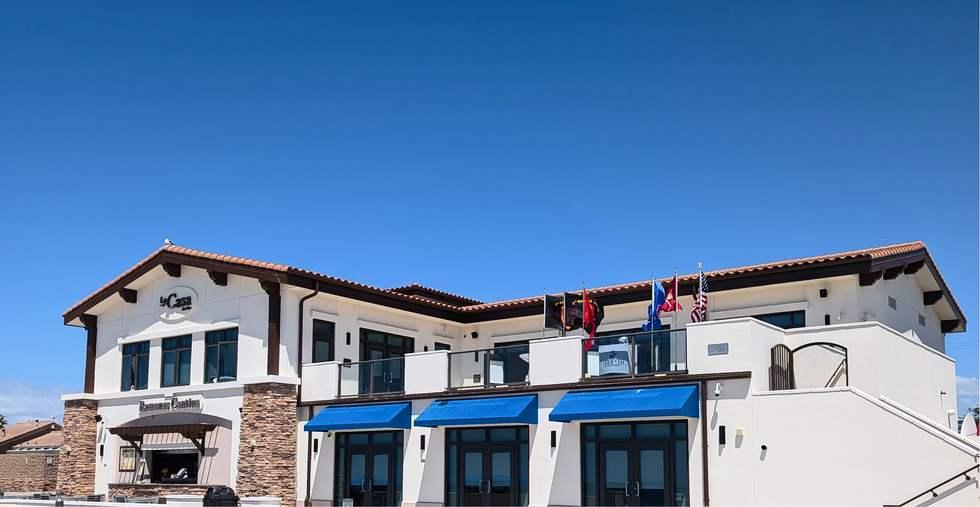
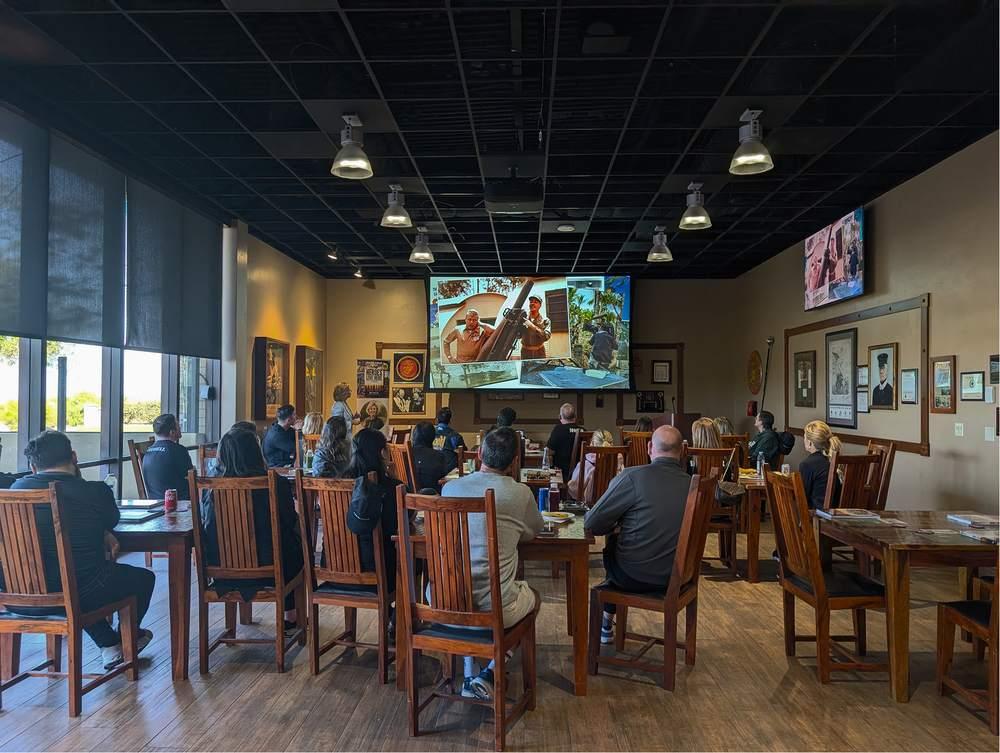
Experience Camp Pendleton brings together beach team building, local history and hospitality. Its Semper Fi, Devil Dog and Leatherneck packages list beach team building as an inclusion; it is optional in Recruit. The website describes the physical elements as optional and scaled to the group.
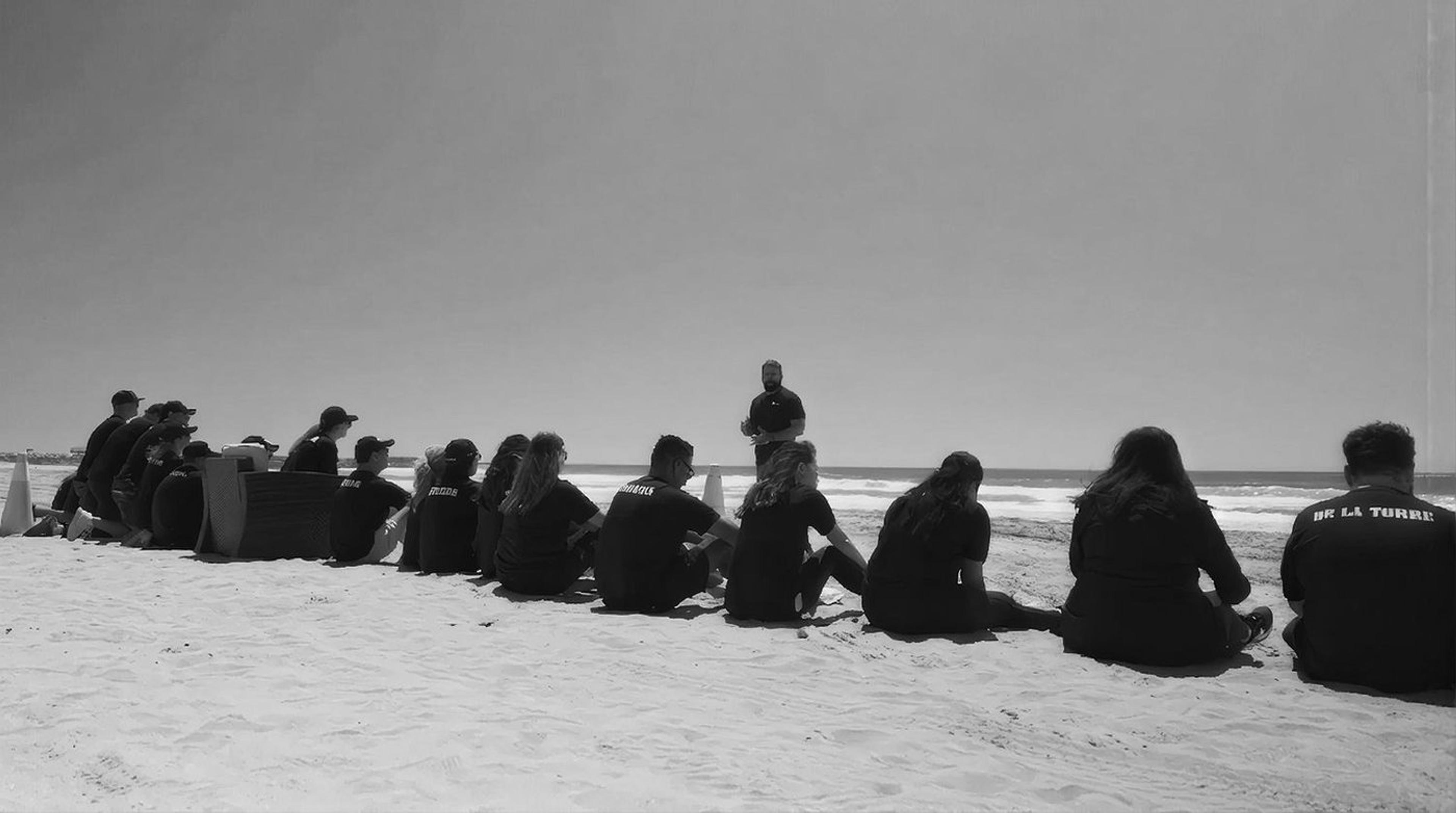
Begin with the outcome you want from the day, then compare the Camp Pendleton packages. Confirm the session format, participation options, venue arrangements and base access requirements with the organiser before booking.
What a client took away from the experience
In the testimonial displayed with Fox Sports on the Experience Camp Pendleton homepage, a client describes the connection between the discussion and the experience:
“It’s incredible to see the concept of what we discussed turn into reality.”
Excerpt from the published client testimonial. This describes one client's experience, rather than a measured performance outcome or a guarantee for every group.
A useful inquiry might be: “We have 30 colleagues from two departments. We would like a shared activity that gives us something to discuss about communication, followed by time together over lunch.” That is a clearer starting point than asking for the most popular activity.
How to make the experience useful afterwards
Finish with one small action the team is willing to try. If the activity exposed unclear instructions, the action might be to add a two-minute understanding check to project handovers. Give someone responsibility for bringing it back to a team meeting.
After a week or two, ask what people tried, what they noticed and what needs adjusting. Keep the review specific. Enjoying the event matters, but positive feedback alone does not establish that work performance improved.
A short closing prompt can help: “Next time we face this situation, we will try ____. We will discuss what happened on ____.”
Plan an experience around your team
Tell us your approximate group size, preferred month and what you want the day to help your team explore. We can discuss the Camp Pendleton options and the arrangements your group needs.
Before you ask
Common questions
What is the difference between experiential team building and regular team building?
Experiential team building deliberately connects a shared task with reflection and application. Many familiar team activities can use this approach when they include a clear objective, a discussion afterwards and an opportunity to try something differently.
Does experiential team building need to happen outdoors?
No. Drawing exercises, simulations and structured discussions can happen indoors or online. The learning process matters more than the location.
Is adventure based team building suitable for everyone?
Suitability depends on the activity and the participants. Discuss access needs, physical demands and alternative ways to participate with the organiser. An outdoor setting does not have to mean a strenuous challenge.
How long should an experiential team building session last?
It depends on the task, group size and objective. A short paired exercise may fit into a meeting, while a facilitated event needs a longer schedule. Reserve time for briefing and reflection rather than counting only the activity itself.
Can experiential activities be part of a traditional workshop?
Yes. A workshop can explain a concept, let people practise it through an activity and finish with reflection. Combining the two can give participants a chance to apply what they have just discussed.
Written by
Rene Diaz
President
Four packages
Bring your
team here.
Half a day to a full day, from a history session and lunch to both venues, beach team building and a reception on the deck.