
San Diego Team Building Activities: The Complete 2026 Guide
Compare 15 San Diego team building activities by group size, setting, accessibility and planning effort. Find a format that fits your corporate team.

The best San Diego team building activity depends on why your team is gathering, how many people will attend and how much of the day you can use. For 50–100 colleagues, compare formats that keep everyone involved at once. A smaller leadership group may benefit more from sailing, a guided walk or a facilitated meal.
Use the options below to build a shortlist, then check each provider’s actual capacity, accessibility, weather plan, travel time and complete price. A memorable setting helps when the activity also gives people useful ways to work together.
Quick answer: For a full-day San Diego team offsite, compare a hosted Camp Pendleton programme with parallel Mission Bay stations or a museum-based day. For smaller groups, cooking, improv, sailing or a guided walk may fit better. Choose on participation, travel time and accessibility before novelty, and confirm each provider’s current capacity and total cost.
Table of contents
- How to choose a San Diego team-building activity
- At a glance: 15 San Diego team building activities
- 15 San Diego team building activities to compare
- Match the activity to the team—not the brochure
- Why Experience Camp Pendleton belongs on the shortlist
How to choose a San Diego team-building activity
Start with the decision the event needs to support. “Have fun together” is valid for a social celebration, but it is not specific enough to compare a sailing session with a cooking challenge. Name the dominant outcome:
- Reconnect a distributed or newly merged group.
- Improve communication across functions.
- Recognize a milestone or difficult year.
- Give leaders a setting for reflection and decisions.
- Practice coordination under a clear shared task.
- Create an enjoyable social day without forced performance.
Then write the constraints. Confirm the real headcount, available hours, transport origin, budget ceiling, mobility and sensory needs, dietary requirements, weather tolerance and whether participation must be indoors. An activity that fits 18 local leaders may fail for 90 people arriving from several hotels.
Use three practical filters:
1. Participation density: how many people can do useful work at the same time?
2. Operational fit: can the venue, transport and schedule support the full group without long queues?
3. Transfer value: what conversation, behavior or relationship should continue after the event?
At a glance: 15 San Diego team building activities
The price symbols compare planning complexity and likely spend, not current vendor quotes: `$` is usually lean, `$$` is a hosted local experience and `$$$` indicates premium hospitality, specialist facilitation or complex transport.
| Activity | Useful group size | Setting | Typical time | Planning level | Best for |
|---|---|---|---|---|---|
| Experience Camp Pendleton | Up to 50 or 100 | Indoor venues + beach | 3–8 hours | $$$ / high | A memorable full team day |
| Mission Bay beach challenges | 20–150+ | Outdoor coastal | 2–5 hours | $$ / medium–high | Active parallel teamwork |
| Gaslamp Quarter team race | 15–200 | Urban outdoor | 2–4 hours | $$ / medium | Cross-functional mixing |
| Balboa Park scavenger hunt | 12–150 | Park and cultural district | 2–4 hours | $–$$ / medium | Observation and creativity |
| Guided La Jolla kayaking | Small–medium | Water | 3–5 hours | $$–$$$ / high | Partner coordination |
| San Diego Bay sailing | 6–30 per wave | Water | 4–7 hours | $$$ / high | Leadership communication |
| USS Midway team experience | 10–100+ | Museum | 3–6 hours | $$ / medium | History and structured discussion |
| Zoo or Safari Park challenge | 12–150+ | Large outdoor attraction | 4–7 hours | $$ / medium–high | Exploration and social connection |
| Corporate cooking challenge | 8–60 | Indoor | 3–5 hours | $$ / medium | Mixed-ability collaboration |
| Murder-mystery dinner | 20–200+ | Indoor banquet | 2–4 hours | $$–$$$ / high | Evening hospitality |
| Escape-room tournament | 8–80 | Indoor | 2–4 hours | $$ / medium | Small-team problem-solving |
| Indoor go-karting | 10–100 | Indoor | 2–4 hours | $$ / medium | High-energy social teams |
| Improv workshop | 10–100 | Indoor studio or ballroom | 1.5–3 hours | $$ / medium | Listening and adaptability |
| Charitable team build | 20–300+ | Indoor or outdoor | 2–5 hours | $–$$ / medium | Purpose and visible output |
| Torrey Pines leadership hike | 6–30 | Coastal trail | 2–4 hours | $–$$ / medium | Reflection and senior-team dialogue |
15 San Diego team building activities to compare
1. Experience Camp Pendleton
Best for: annual team days, leadership offsites and groups that want the location to matter.
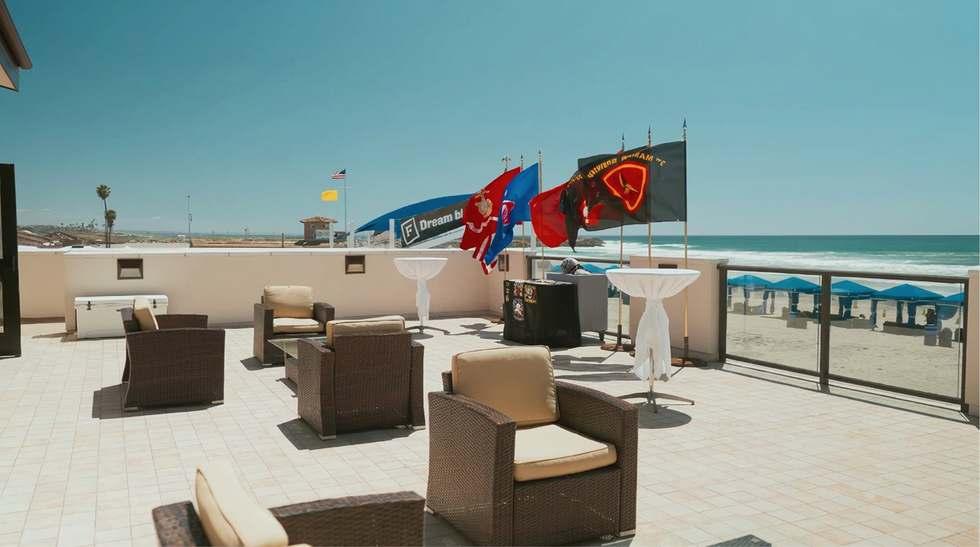
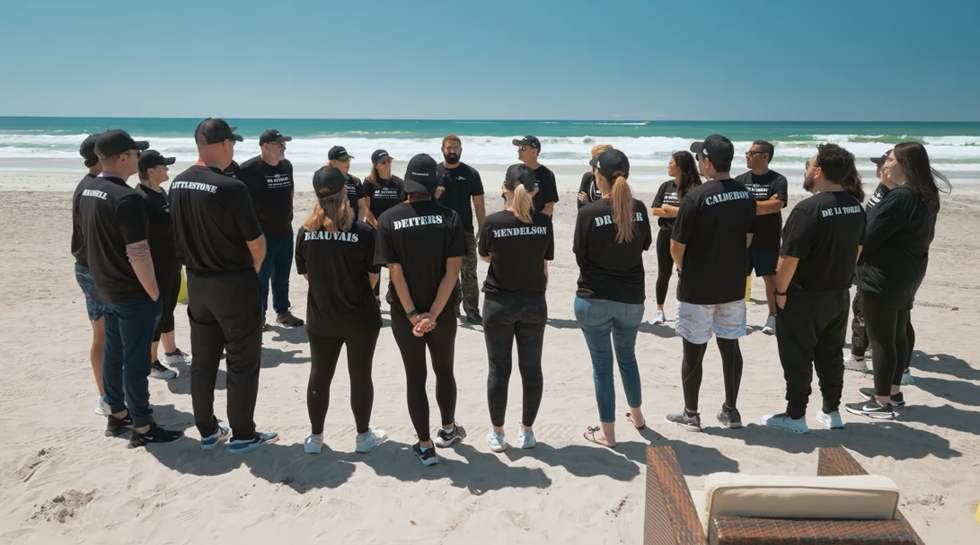
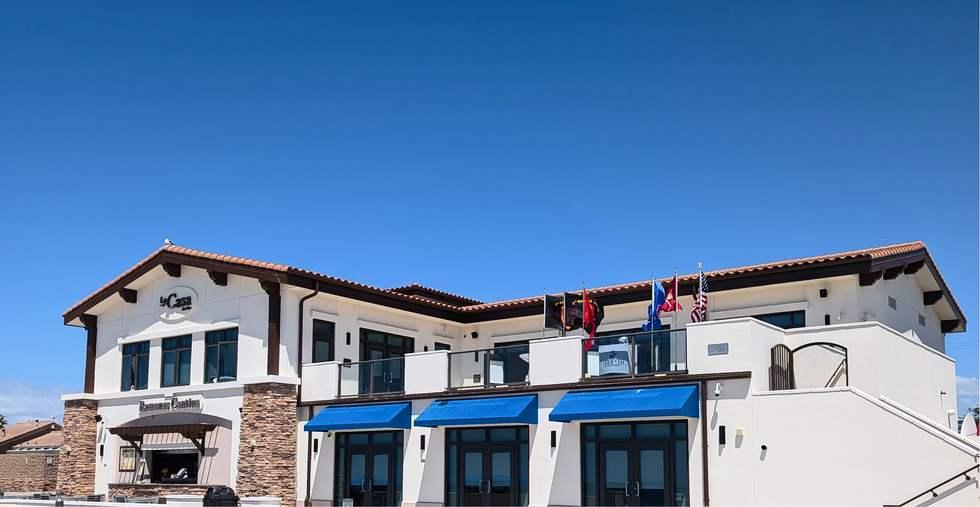
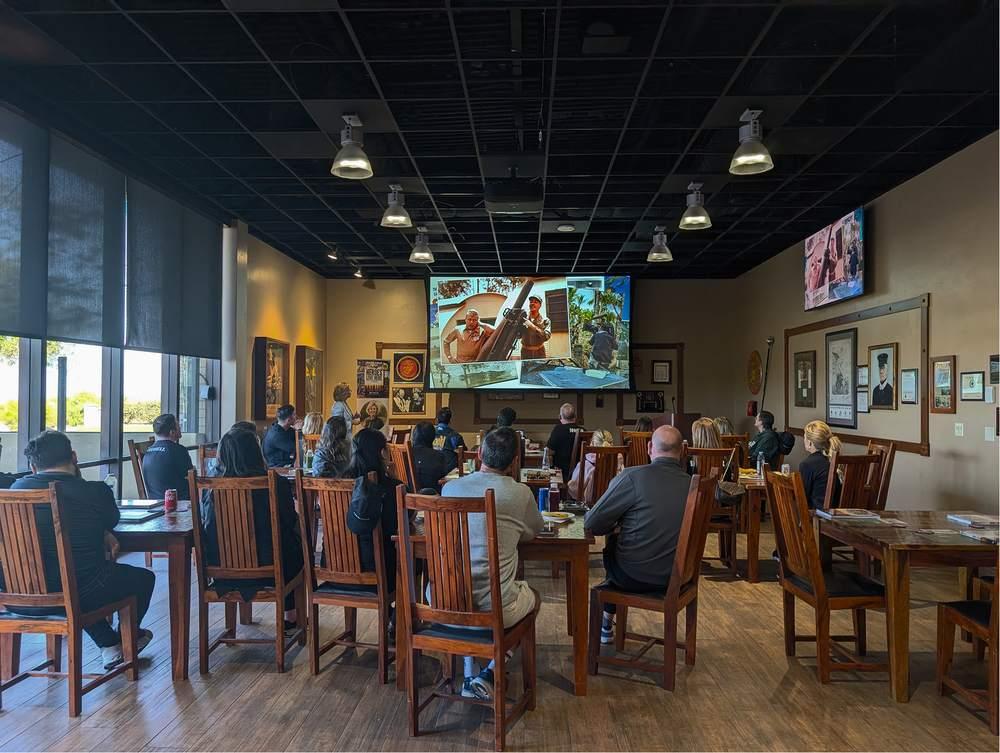
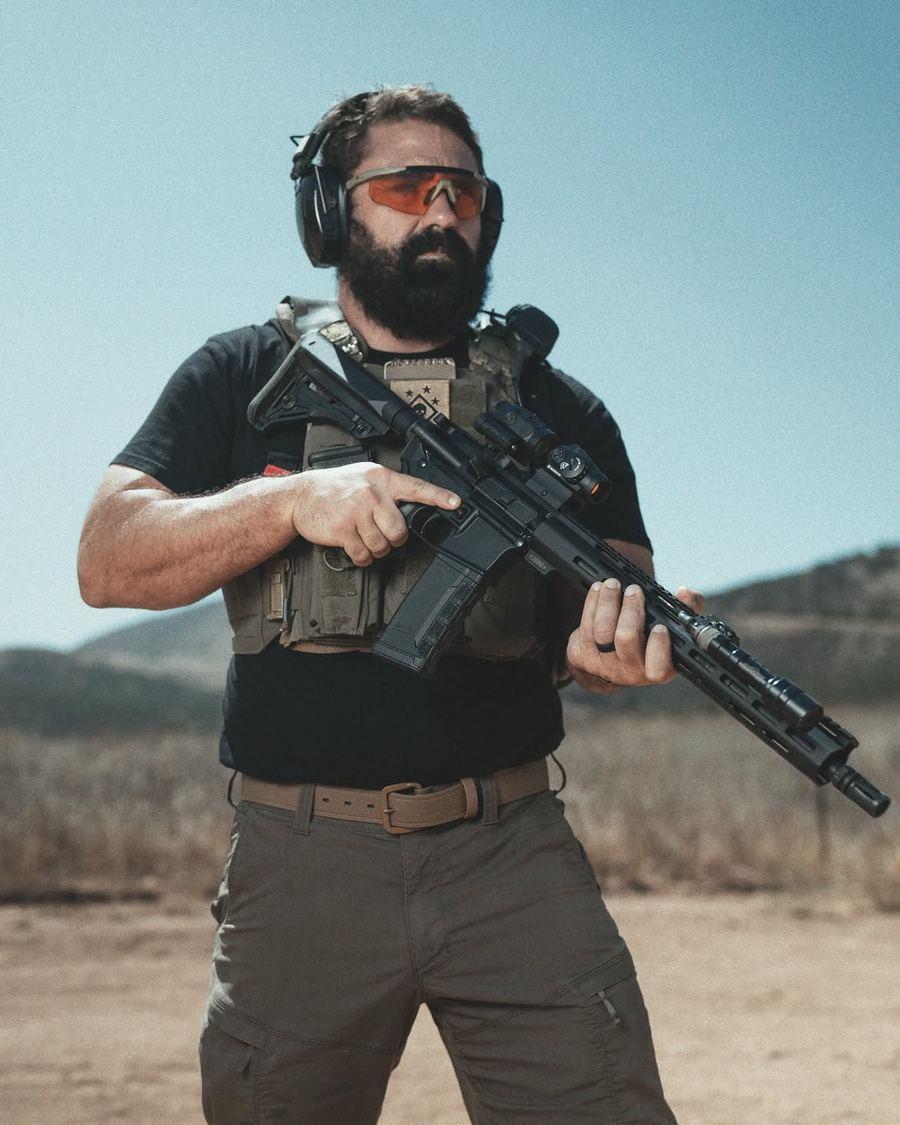
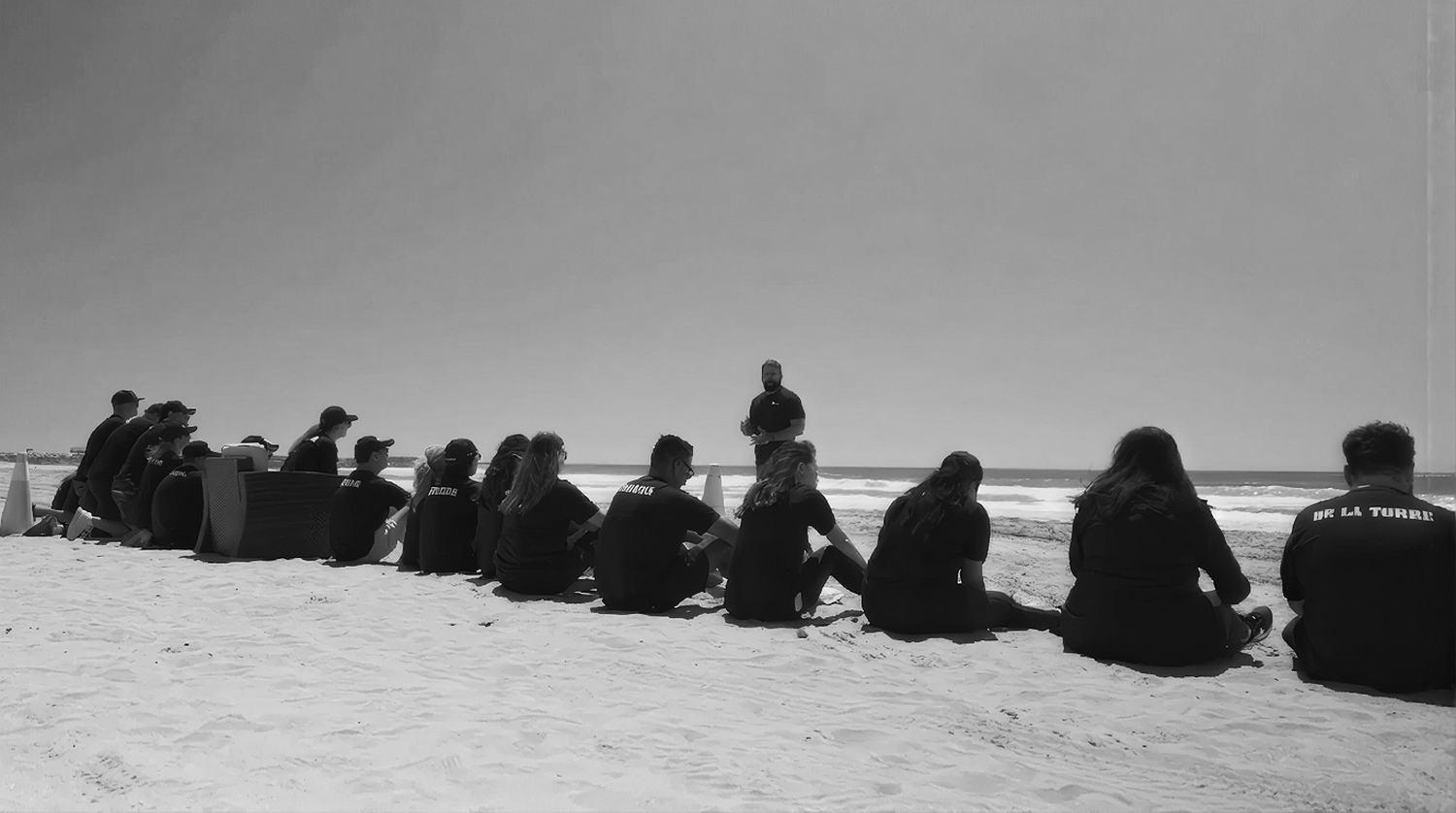
Experience Camp Pendleton combines the history of the installation, hosted venues, facilitated beach teamwork and hospitality in programmes lasting three, four, five or eight hours. The longer formats use Iron Mike's, La Casa Del Mar and Del Mar Beach; the full Semper Fi programme can include lunch, a keynote and a closing terrace reception.
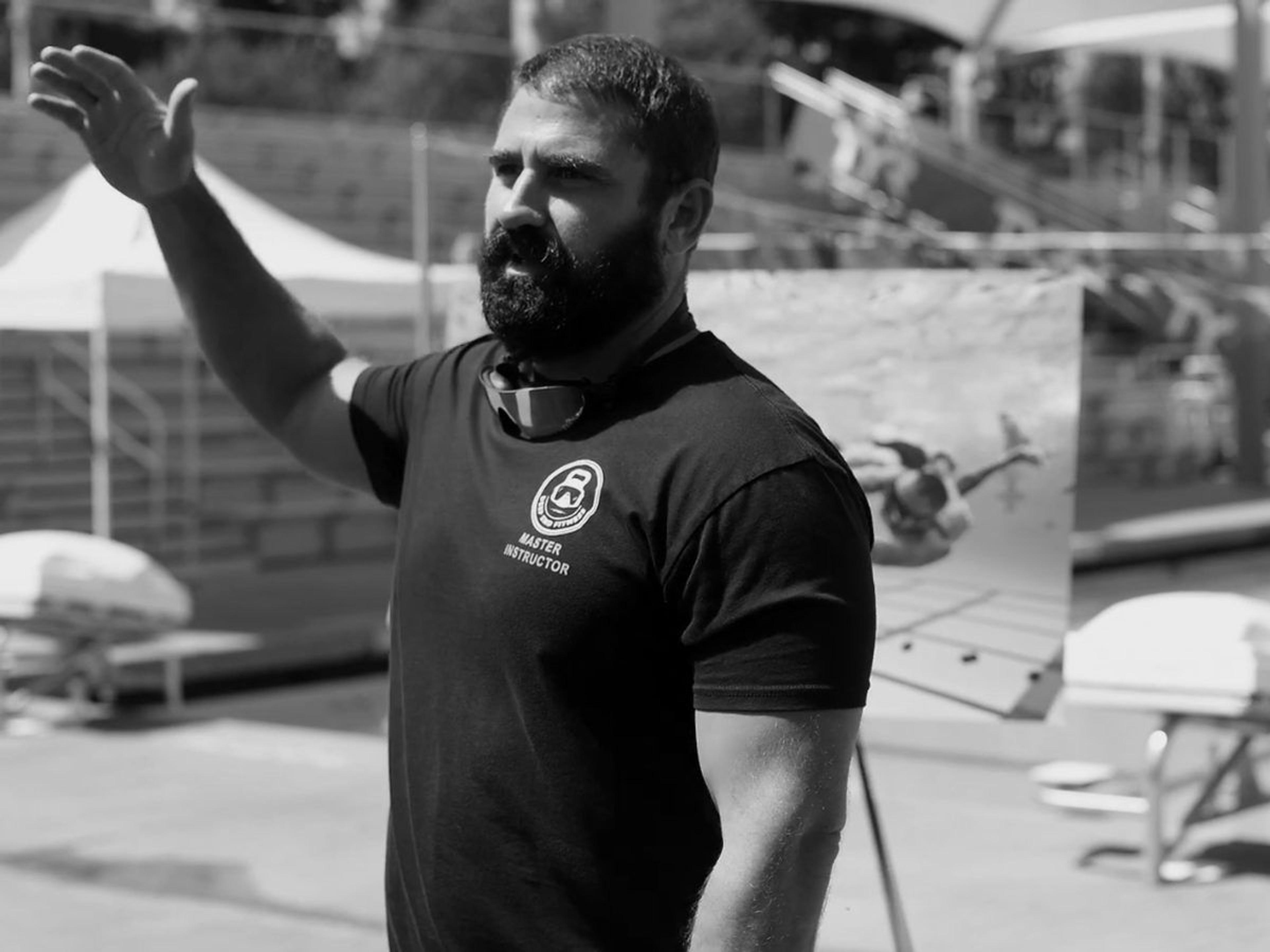
The beach session is led by Prime Hall, a former Marine Raider and water-survival instructor. It is not a boot camp. Exercises are scaled, physical participation is optional and useful non-physical roles can be built into the programme.
- Group fit: up to 50 or 100, depending on package and venue.
- Choose it when: the company wants a substantial shared day rather than a standalone activity.
- Plan carefully for: advance roster, identification, coordinated transport and installation-controlled access.
2. Mission Bay beach challenges
Best for: medium and large groups that want movement without leaving central San Diego.
Build parallel stations around planning, construction, communication and observation. Pods of five to eight rotate on a common clock, then regroup for one facilitated debrief. The strongest version rewards accuracy, adaptation and support—not only speed.
- Group fit: 20–150+ with enough stations and facilitators.
- Choose it when: simultaneous participation matters more than one dramatic activity.
- Plan carefully for: permits, shade, wind, water, restrooms, accessible surfaces and a real weather alternative.
3. A Gaslamp Quarter team race
Best for: social teams that need cross-department mixing.
Teams follow equivalent routes through a compact district, completing observation, creative and decision prompts before meeting at one private finish. Assign navigation, documentation and accessibility roles so the fastest walker does not control the group.
- Group fit: 15–200 in small teams.
- Choose it when: the city itself should be part of the experience.
- Plan carefully for: crossings, route crowding, public behavior, weather and an escalation channel.
4. A Balboa Park scavenger hunt
Best for: curious teams that prefer culture and observation to competition.
Use architecture, gardens and public art as prompts for noticing, interpretation and storytelling. A good scorecard gives equal weight to thoughtfulness and team process. Finish with lunch or a private room where teams compare what they noticed rather than presenting every answer.

- Group fit: 12–150.
- Choose it when: mixed energy levels and creative work matter.
- Plan carefully for: walking distances, public opening hours and accessible routes.
5. Guided La Jolla kayaking
Best for: small adventurous groups comfortable around water.
Partners in a tandem kayak receive immediate feedback on pace, direction and clarity. A qualified outfitter owns the route, equipment and sea-condition decision. The company should own honest communication about transfers, water confidence and equivalent participation.
- Group fit: small to medium, sometimes in waves.
- Choose it when: partner coordination is the primary experience.
- Plan carefully for: marine conditions, changing time, secure storage, motion sickness and non-water alternatives.
6. A San Diego Bay sailing exercise
Best for: leadership groups working on communication and role changes.
Under professional crew control, participants rotate through appropriate onboard roles and observe how instructions, priorities and timing interact. Follow the sail with a private debrief or meal; without that conversation, the business value may remain only an enjoyable afternoon.
- Group fit: 6–30 per wave or boat group.
- Choose it when: a small team can devote most of a day.
- Plan carefully for: weather, footwear, sea sickness, vessel accessibility and transfers.
7. A USS Midway Museum team experience
Best for: groups that want a weather-resistant venue with strong context.
Use a guided visit or curated prompts rather than sending employees through independently. Pair the museum time with a nearby meeting room or hosted meal where the group can discuss decisions, leadership or operational systems without turning history into a superficial metaphor.
- Group fit: 10–100+ depending on programme and room access.
- Choose it when: the team values structured learning and conversation.
- Plan carefully for: public crowds, deck routes, sound, seating and timed entry.
8. A San Diego Zoo or Safari Park challenge
Best for: teams that want exploration and informal conversation over a longer day.
Give small groups a limited number of observation and creative prompts, then allow genuine free time. Trying to control every minute in a large attraction creates stress and separation. One planned regrouping and a good meal are more useful than constant scoring.
- Group fit: 12–150+.
- Choose it when: social connection matters more than a tightly facilitated skill exercise.
- Plan carefully for: travel time, heat, distances, accessible routes and the final meeting point.
9. A corporate cooking challenge
Best for: mixed-ability teams that want hands-on indoor collaboration.
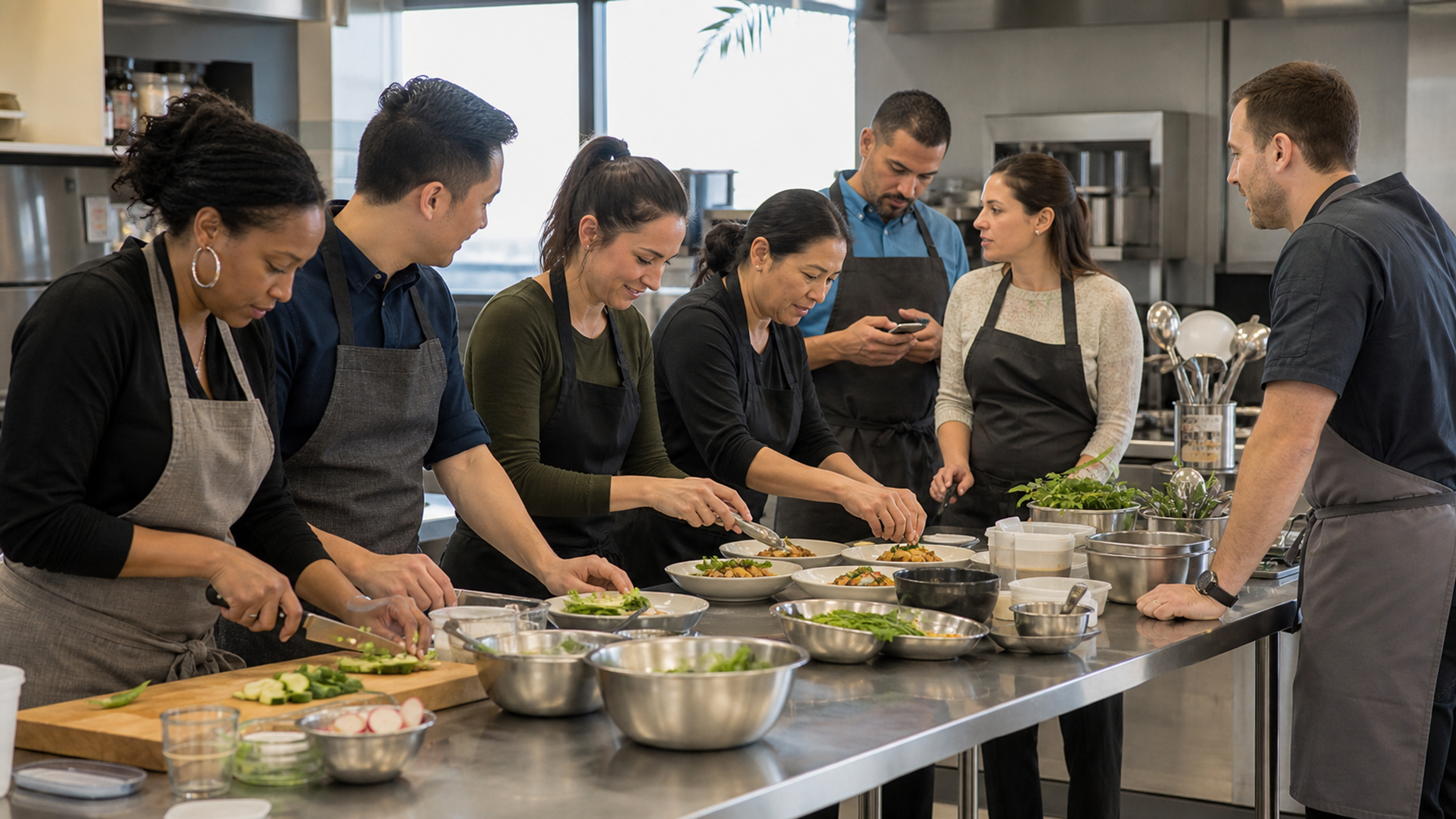
Cooking produces natural roles around preparation, timing, presentation and service. Keep professional staff responsible for safety and heat. The shared meal should be part of the programme, not an afterthought after a rushed contest.
- Group fit: 8–60, kitchen-dependent.
- Choose it when: hospitality and teamwork should share equal weight.
- Plan carefully for: allergens, dietary needs, alcohol, knife work and non-cooking roles.
10. A murder-mystery dinner
Best for: evening events and groups seeking low-physical-demand entertainment.
Tables work as investigation teams while performers and evidence move through the room. The production succeeds when guests can opt out of public acting and still contribute by observing, comparing clues and building a theory.
- Group fit: 20–200+.
- Choose it when: the meal and social atmosphere are central.
- Plan carefully for: acoustics, food-service timing, content suitability and performers who can manage corporate boundaries.
11. An escape-room tournament
Best for: small pods that enjoy time-boxed logic and coordination.
Run several rooms or repeated waves with equivalent difficulty, then compare team process rather than only completion time. Give participants a legitimate observer or puzzle-support option when confined spaces, darkness or sensory effects are a concern.
- Group fit: 8–80, venue-dependent.
- Choose it when: the group can work in several independent teams.
- Plan carefully for: room capacity, waiting between waves and accessibility.
12. Indoor go-karting
Best for: high-energy social teams that explicitly want competition.
The driving may be individual, so build teamwork into pit strategy, observation, prediction or a parallel non-driving role. Do not describe the event as inclusive merely because spectating is available; the alternative should carry equal value.
- Group fit: 10–100 depending on track throughput.
- Choose it when: social energy matters more than deep facilitation.
- Plan carefully for: eligibility, height and mobility restrictions, noise and long waits.
13. An improv workshop
Best for: teams working on listening, adaptability and clear offers.
A skilled corporate facilitator can use low-pressure exercises without making people perform comedy on stage. Begin in pairs or small groups, let participants pass and connect the debrief to real workplace communication.
- Group fit: 10–100.
- Choose it when: the group needs practice responding rather than over-planning.
- Plan carefully for: psychological safety, language confidence and voluntary participation.
14. A charitable team build
Best for: purpose-led organizations and large groups that need simultaneous roles.
Start with a nonprofit's real requirement, then design receiving, assembly, quality-control, packing and inventory roles. The partner should define useful quantity and standards before the company purchases materials.
- Group fit: 20–300+ if the partner can use the output.
- Choose it when: visible service aligns with the organization's values.
- Plan carefully for: storage, distribution, seated roles and avoiding a project built only for photographs.
15. A Torrey Pines leadership hike
Best for: small senior teams that need an unhurried conversation.
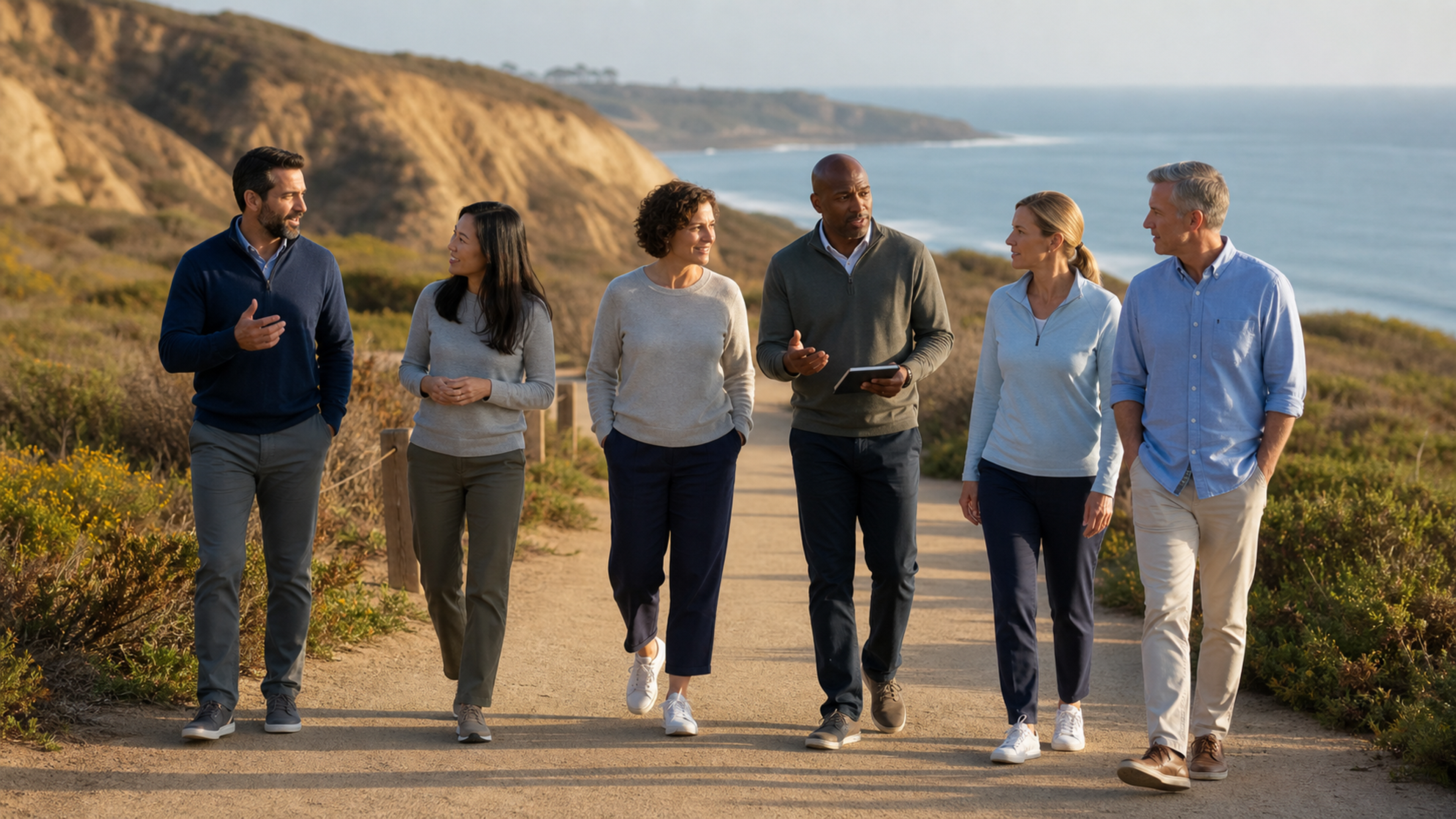
Use a route suited to the group and rotate conversation pairs around two or three real questions. The hike should create space for thought, not become a test of pace. A private meal or short decision session afterward turns observations into commitments.
- Group fit: 6–30.
- Choose it when: reflection matters more than high production.
- Plan carefully for: trail rules, weather, parking, surfaces and a paved or seated equivalent.
Match the activity to the team—not the brochure
Consider four common planning situations:
| Situation | Strong shortlist | Why |
|---|---|---|
| 18 senior leaders with one decision | Sailing, leadership hike, facilitated workshop | Small-group conversation and reflection stay central |
| 80 employees meeting for the first time | Experience Camp Pendleton, beach stations, charitable build | Pods and shared context support participation at scale |
| 35 employees with mixed mobility and weather concerns | Cooking, museum, improv, murder mystery | Indoor formats reduce exposure and allow varied roles |
| 60-person appreciation event | Experience Camp Pendleton, cultural venue, choice-based event | Hospitality and recognition can lead the design |
Ask each provider for the same information: complete scope, maximum comfortable capacity, staffing, participant roles, physical and sensory demands, transport assumptions, food, A/V, weather backup, taxes, service charges and cancellation terms. A glossy two-hour activity may consume five hours after transfers, check-in, waivers and regrouping.
For a full operating plan, use the eight-week company offsite playbook. If the event is above 50 people, the large-group team-building guide explains pods, staffing and transitions. For outdoor-only options, use the outdoor activities guide.
Why Experience Camp Pendleton belongs on the shortlist
Most team-building options ask the company to combine a venue, activity, facilitator, catering and transport. Experience Camp Pendleton is designed as a hosted programme with those elements considered together. The four package shapes allow the planner to choose a short history-led experience, a focused beach programme, a five-hour day with lunch or the complete eight-hour Semper Fi arc.
| Package | Duration | Distinctive shape | Useful for |
|---|---|---|---|
| Recruit | 3 hours | History overview; La Marina included; other elements optional | Short hosted programme or client group |
| Leatherneck | 4 hours | History, beach access and facilitated beach teamwork | Half-day team experience |
| Devil Dog | 5 hours | Beach teamwork plus essentials lunch | Team day with time for hospitality |
| Semper Fi | 8 hours | Iron Mike's, La Casa Del Mar, beach, lunch, keynote and reception | Annual offsite where the full day should feel significant |
The strongest fit is a company that values a unique shared setting, can plan access and transport in advance and wants facilitated work rather than an unstructured beach outing. It is less suitable for a last-minute walk-in event, a group that cannot use coordinated access, or a company seeking only an inexpensive two-hour attraction.
The attendee roster is cleared in advance, the installation sets the applicable deadline and access remains controlled by the installation. Read the Camp Pendleton visitor-pass guide before collecting participant information. Compare the package inclusions or review the Semper Fi day when the full experience is the likely fit.
Experience Camp Pendleton is a commercial service operated by Urban Kitchen Hospitality / Mid Coast Supply Inc. It is not affiliated with, endorsed by or sponsored by the United States Department of Defense, the United States Marine Corps or Marine Corps Community Services. Access to Marine Corps Base Camp Pendleton is controlled by the installation and subject to change at any time. Confirm current requirements before travel.
Planning closer to Irvine, Newport Beach or Anaheim? Compare the Orange County team-building guide before deciding whether to keep the day local or travel south.
Before you ask
Common questions
What is the best team-building activity in San Diego?
There is no single best choice. Camp Pendleton fits a coordinated full-day offsite; Mission Bay stations suit active larger groups; cooking and improv are indoor options; sailing and a guided walk suit smaller leadership teams. Match the activity to the team’s goal and participation needs.
How far in advance should we plan a San Diego team-building event?
Allow six to eight weeks for a straightforward local event and longer for peak coastal dates, groups above 50, boats, several suppliers or controlled access. Reduce complexity if the date is closer rather than skipping participant-needs and contingency planning.
Which San Diego activities work for large groups?
Experience Camp Pendleton, parallel beach stations, city challenges, charitable builds, museum programmes and banquet formats can serve large groups when capacity and staffing are designed for the full headcount. Avoid activities that put most participants into spectator queues.
What are good indoor team-building activities in San Diego?
Cooking challenges, improv workshops, escape-room tournaments, museum programmes, charitable builds and murder-mystery dinners all work indoors. Compare room capacity, acoustics, simultaneous participation and A/V rather than treating “indoors” as the complete weather plan.
Do participants need to be physically fit for Experience Camp Pendleton?
No. The programme is not a boot camp. Exercises are scaled, physical participation is optional and non-physical roles can be designed into the session. Organizers should still communicate mobility, sensory and other participation needs before the programme is finalized.
Can a company simply arrive at Camp Pendleton for a team day?
No. Camp Pendleton is a secure military installation. Experience Camp Pendleton coordinates programme access in advance, and entry remains controlled by the installation. Follow the current roster, identification and transport instructions supplied for the confirmed event.
How much do San Diego team-building activities cost?
Simple self-directed formats may cost under $100 per person, while hosted local experiences often fall into broader mid-range budgets and premium full-day programmes can cost substantially more. Compare venue, food, facilitation, transport, A/V, service charges and contingency as one all-in scope. The [San Diego corporate offsite cost guide](https://experiencependleton.ukhcp.com/blog/corporate-offsite-cost-san-diego) provides detailed planning bands.
Written by
Rene Diaz
President
Four packages
Bring your
team here.
Half a day to a full day, from a history session and lunch to both venues, beach team building and a reception on the deck.