

10 Best Corporate Team Building Companies for 2026
Compare 10 corporate team building companies by format, group size, geography and planning support—then use a practical scorecard to choose the right partner.
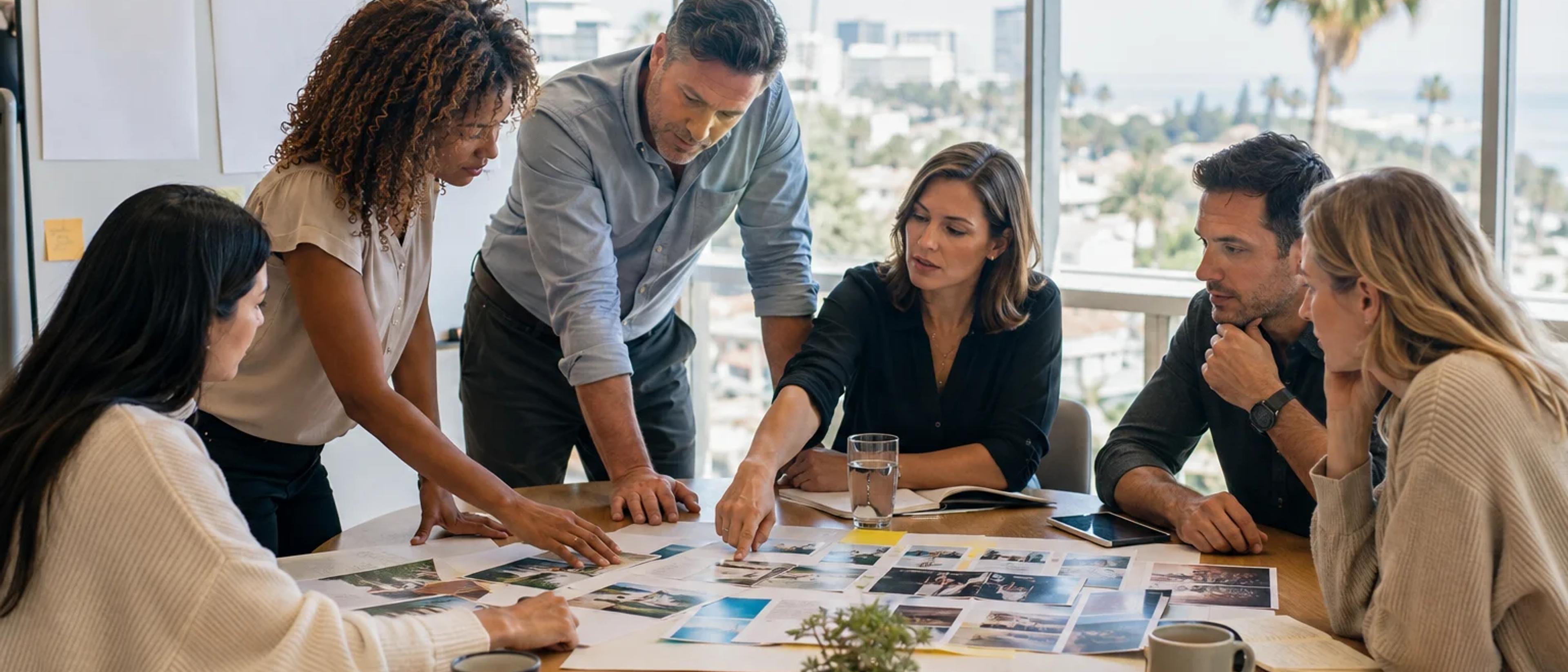
The best corporate team building company is not automatically the one with the longest activity menu. It is the provider that can turn your goal, headcount, location and participation needs into a well-run experience—and explain what will happen before, during and after the event.
This guide compares 10 established options across different use cases, from global activity providers and technology-led games to purpose-driven programmes and an immersive day at Camp Pendleton. It is not a universal league table. Each company is included for a specific strength, and every shortlist should still be tested against your brief, current availability and written proposal.
TL;DR
Shortlist providers by outcome, format, geography, group size, facilitation and operational support—not by activity count alone. Ask every finalist for the same written details so proposals are comparable. Experience Camp Pendleton is a strong Southern California choice when you want a memorable, Marine-led team day combining history, hospitality and optional beach teamwork in one programme.
Table of contents
- What a team-building company should do
- 10 companies at a glance
- Detailed company profiles
- How to compare proposals
- Experience Camp Pendleton
- Questions to ask before booking
- Make the event useful afterward
What a corporate team building company should actually do
A provider should do more than deliver equipment and keep time. At minimum, it should help translate a business need into a format that suits the people in the room. That includes recommending an appropriate activity, explaining the facilitation approach, planning group movement, accounting for participation needs and giving you a credible backup plan.
Start your search with a one-page brief. Define:
- The outcome: What should be easier after the event—cross-functional communication, trust, decision-making, connection or recognition?
- The audience: Headcount, seniority mix, existing relationships, languages and whether the group is newly formed, distributed or under strain.
- The constraints: Date, location, time window, budget range, accessibility, travel, venue rules and weather exposure.
- The experience: Competitive or collaborative, active or reflective, highly facilitated or mostly social.
- The follow-through: What should managers discuss, practise or measure after the team returns to work?
“We need something fun for 80 people” invites a catalogue. “We need 80 colleagues from four functions to practise faster handoffs, with equivalent roles for people who do not want a physical activity” gives a good provider something it can design around.
Use the 25 team building ideas for work if you are still deciding which format fits the outcome. If this experience sits inside a larger retreat, the company offsite planning guide covers ownership, timing and logistics beyond the activity itself.
10 corporate team building companies at a glance
Offerings change, and availability varies by city and date. Treat this table as a starting shortlist, then verify the current scope in a written proposal from the provider.
| Company | Best fit | Formats | Geography or delivery model | Standout planning consideration |
|---|---|---|---|---|
| Experience Camp Pendleton | An immersive Southern California team day | In person; half-day to full day | Camp Pendleton, Oceanside, California | Base access, venue, history, facilitation and hospitality work as one programme |
| TeamBonding | A broad, customizable activity menu | In person and virtual | Global delivery network | Ask which programme and facilitator best fit the stated outcome |
| Outback Team Building | Multi-city programmes with flexible delivery | In person, virtual and self-hosted | North America | Confirm whether you need live facilitation or a self-hosted format |
| Best Corporate Events | Large groups and nationwide delivery | In person, virtual and hybrid | United States | Test how the agenda and staffing scale at your exact headcount |
| The Go Game | Technology-enabled games and hybrid participation | In person, virtual and hybrid | Broad location coverage | Confirm device, connectivity and participant-support requirements |
| Wildly Different | Custom, playful events for varied group sizes | In person and virtual | Nationwide delivery | Define how much customization is included before contracting |
| FireFly Team Events | Facilitator-led programmes with a playful, low-cringe tone | In person and virtual | Nationwide; based in Orange County | Check travel, venue and production inclusions for your city |
| teambuilding.com | Hosted experiences across many themes and locations | In person and virtual | Multiple US locations plus remote | Clarify which team delivers the event and what local logistics it owns |
| Teamland | Team building paired with training or offsite support | In person and virtual | Global delivery | Separate the learning objectives from entertainment requirements |
| Odyssey Teams | Purpose-led team building and leadership development | In person, virtual and hybrid | Broad delivery options | Confirm the beneficiary, impact process and post-event learning design |
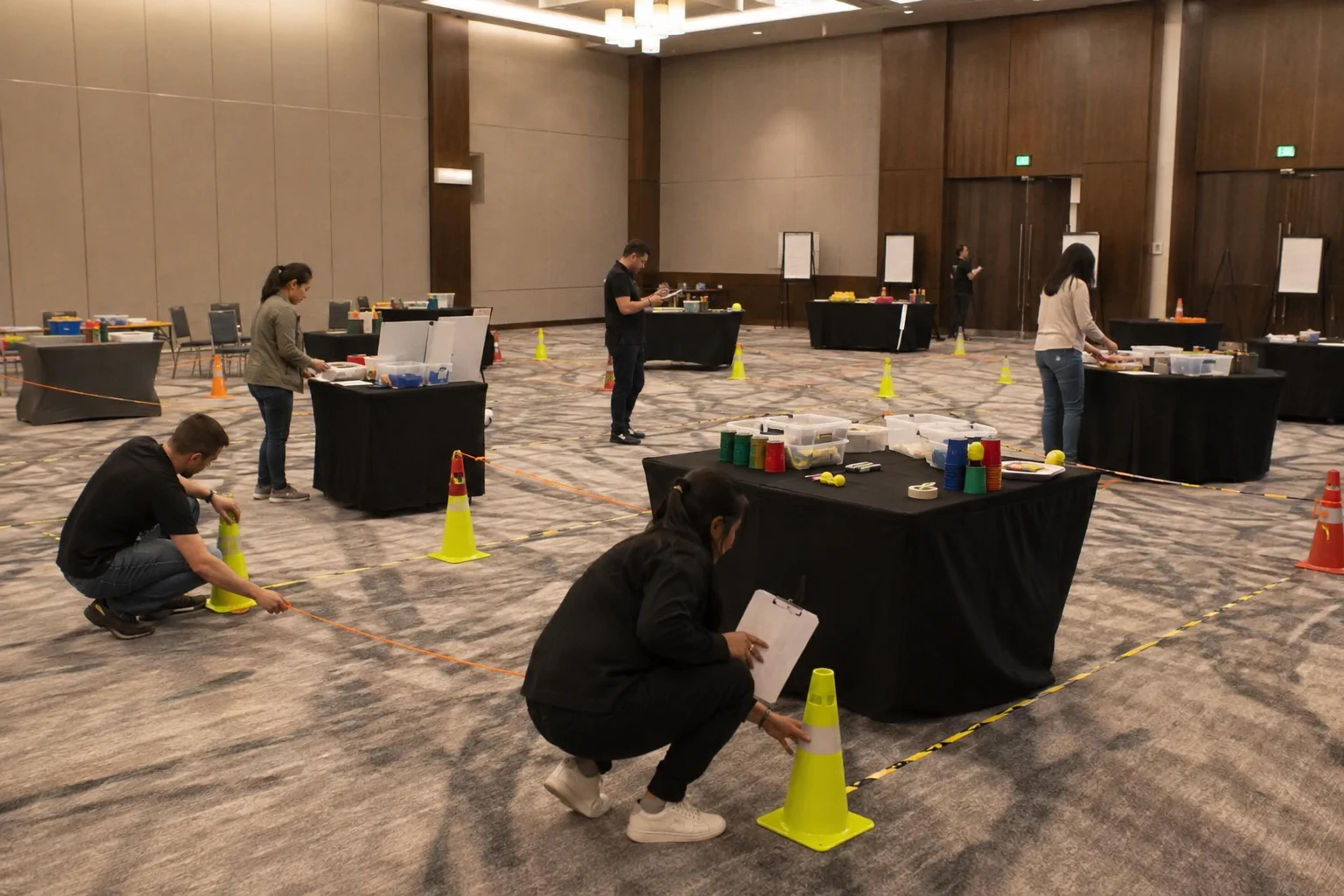
Which corporate team building company fits your event?
1. Experience Camp Pendleton: best for an immersive Southern California team day
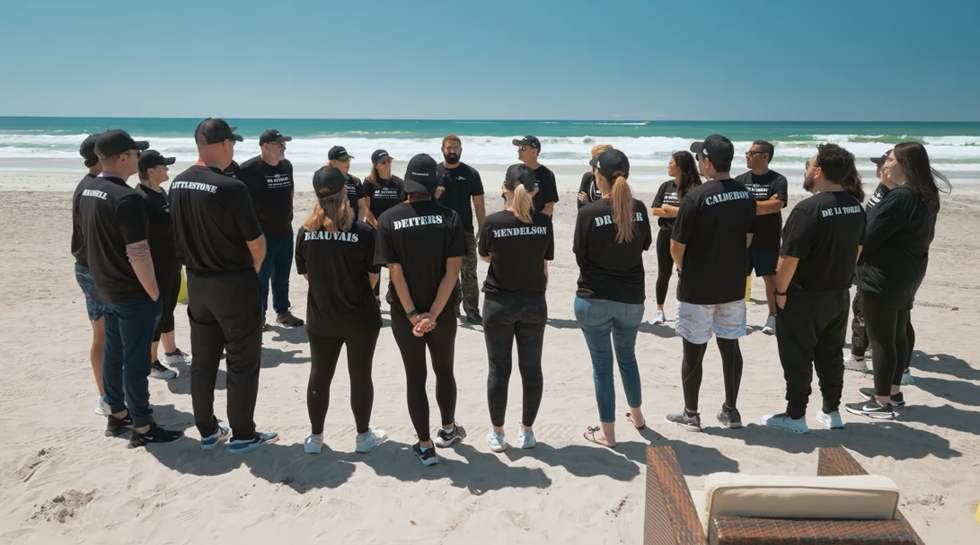
Experience Camp Pendleton brings corporate groups onto a historic Marine base for a hosted programme that can combine Camp Pendleton history, Marine-led facilitation, optional beach teamwork, meeting time and hospitality. Four programme lengths—from three to eight hours—let planners use it as a focused team session or a complete offsite day.
It is a strong fit for Southern California companies, visiting leadership teams and distributed colleagues who need one shared experience with a clear sense of place. The physical elements are optional and scalable; the programme is not a boot camp. It is a less natural fit for a quick virtual session, a self-hosted game or a multi-city rollout that must happen simultaneously.
Verify in the proposal: base-access timing, final venue, transportation plan, weather alternative, activity adaptations, catering, A/V and which programme elements are included.
2. TeamBonding: best for a wide customizable menu
TeamBonding offers a large range of facilitated in-person and online programmes, plus custom event design. Its breadth makes it useful when a company wants one provider to propose several directions or support teams in different markets.
The trade-off with any large catalogue is choice overload. Give the planner a precise outcome and ask for two or three recommendations with reasons, rather than browsing until an activity sounds entertaining.
Verify in the proposal: who will facilitate your event, how the programme will be adapted to your group, travel and production charges, and what the debrief includes.
3. Outback Team Building: best for flexible North American delivery
Outback Team Building offers in-person, virtual and self-hosted options across activity and professional-development categories. That range can suit companies planning the same general initiative across several North American offices with different budgets or levels of support.
Live facilitation and self-hosted delivery are not equivalent products. A kit can reduce cost and scheduling complexity, while a professional facilitator can read the room, adjust pace and lead a more useful debrief.
Verify in the proposal: delivery mode, facilitator-to-participant ratio, local travel, venue responsibilities, equipment shipping and what support is available on event day.
4. Best Corporate Events: best for very large groups
Best Corporate Events focuses on facilitated programmes for corporate groups and advertises formats for large headcounts as well as virtual and hybrid delivery. It is worth considering when a national meeting or conference needs repeatable operations, multiple facilitators or parallel activity zones.
Large-capacity claims should lead to operational questions. Ask to see the run of show for your headcount: arrival, team formation, instructions, station rotations, scorekeeping, breaks and the transition back to the main conference agenda.
Verify in the proposal: staffing by role, participant flow, A/V, load-in and reset time, venue footprint, accessibility and contingency coverage.
5. The Go Game: best for technology-enabled play
The Go Game combines hosted games with a proprietary technology platform for in-person, virtual and hybrid teams. It can be a strong fit when distributed participation, a game-show format or a location-based challenge is part of the brief.
Technology creates useful possibilities, but it also adds dependencies. Decide whether every participant needs a device, how remote and in-room employees will have equal influence, and what happens if venue connectivity becomes unstable.
Verify in the proposal: supported devices, bandwidth, technical rehearsal, participant help, data handling, backup delivery and host responsibilities.
6. Wildly Different: best for custom, playful programmes
Wildly Different offers facilitated in-person and virtual events, including charitable challenges, competitions, scavenger hunts and custom programmes. Its range is useful when a company wants familiar activity mechanics adapted to an internal message or meeting theme.
Customization can mean anything from adding a logo to redesigning the experience around the company. Define the expected level in writing and give the provider only the internal material participants actually need.
Verify in the proposal: what will be customized, revision limits, content deadlines, facilitator preparation, brand approvals and ownership of created materials.
7. FireFly Team Events: best for a playful, facilitator-led tone
FireFly Team Events positions its programmes as playful without relying on forced or embarrassing participation. Based in Orange County and available for travel, it is a relevant option for Southern California teams that want professional facilitation across games, charity programmes and team-development formats.
Tone is subjective, so ask the provider to describe exactly what participants will be asked to do. A short conversation with the proposed facilitator can reveal more than a catalogue description.
Verify in the proposal: facilitator assignment, travel, venue and equipment needs, participation alternatives, cancellation terms and whether the debrief is included.
8. teambuilding.com: best for broad hosted-experience coverage
teambuilding.com offers hosted virtual and in-person experiences across a wide range of themes and locations. It can suit teams that want a recognizable format—such as trivia, a scavenger hunt, a workshop or a city-based experience—without building the programme internally.
Because delivery may vary by experience and location, compare the actual local plan rather than the umbrella brand alone. Ask who owns the venue relationship, materials, permits, weather decisions and day-of troubleshooting.
Verify in the proposal: delivery team, local operating scope, minimum headcount, accessibility, venue requirements and the cancellation or rescheduling policy.
9. Teamland: best for combining team building and training
Teamland combines team-building experiences, offsite support and workplace training, including AI-focused programmes. It may suit a company that wants the event to blend relationship-building with practical capability development.
Do not ask one short session to carry two full agendas. Name the primary objective, decide how much time belongs to instruction versus interaction, and make the expected take-home output explicit.
Verify in the proposal: learning objectives, facilitator credentials, pre-work, activity time, materials, measurement and what participants retain afterward.
10. Odyssey Teams: best for purpose-led team development
Odyssey Teams combines leadership development and team building with purpose-led programmes, including charitable builds. It is worth considering when social impact is central to the experience rather than an ornamental add-on.
The beneficiary’s needs should shape the work. Ask how items or outputs are specified, checked and delivered, how impact is represented to participants and what reflection connects the project back to team behaviour.
Verify in the proposal: beneficiary relationship, quality controls, delivery, participant roles, accessibility, impact claims and debrief design.
How to compare team building proposals
Send every shortlisted company the same brief and ask for the same response structure. Otherwise, one proposal may look cheaper because it excludes production, travel or venue costs that another provider has itemized.
| Criterion | Weight | What a strong answer shows | Warning sign |
|---|---|---|---|
| Outcome fit | 25% | Connects activity mechanics and debrief to a specific team need | Promises generic “engagement” without explaining how |
| Facilitation | 20% | Names the facilitator model, staffing ratio and adaptation process | Treats facilitation as simple emceeing |
| Participation and accessibility | 15% | Offers equivalent roles and plans for mobility, sensory and language needs | Says everyone must participate in the same way |
| Operations | 15% | Owns a detailed run of show, group flow, equipment and responsibilities | Leaves key tasks between vendor, venue and client |
| Risk and contingencies | 10% | Covers weather, technology, safety, cancellations and backups | Has no specific alternative for likely failure points |
| Total value | 10% | Shows a complete cost and what is included | Uses a low headline price with major exclusions |
| Follow-through | 5% | Provides a debrief, manager prompt or practical output | Ends with prizes and no connection to work |
Adjust the weights to suit the event. A leadership programme may give more weight to facilitation and follow-through. A conference energizer may prioritize operations, capacity and pace. A remote event may elevate technology and participant support.
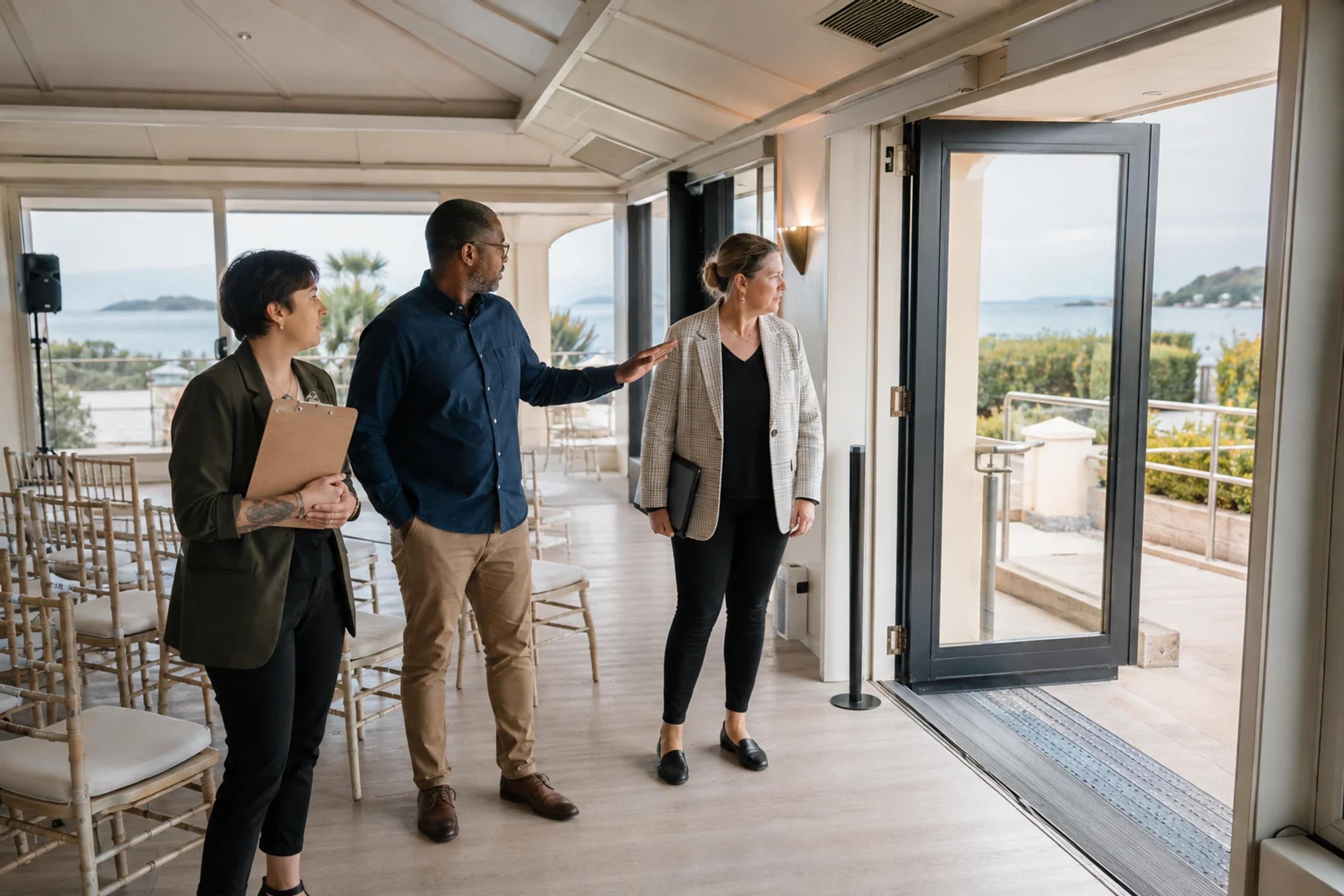
Score independently before the selection meeting, then discuss the largest differences. The goal is not mathematical certainty; it is to expose assumptions and prevent the most charismatic sales presentation from replacing due diligence.
When Experience Camp Pendleton is the stronger choice
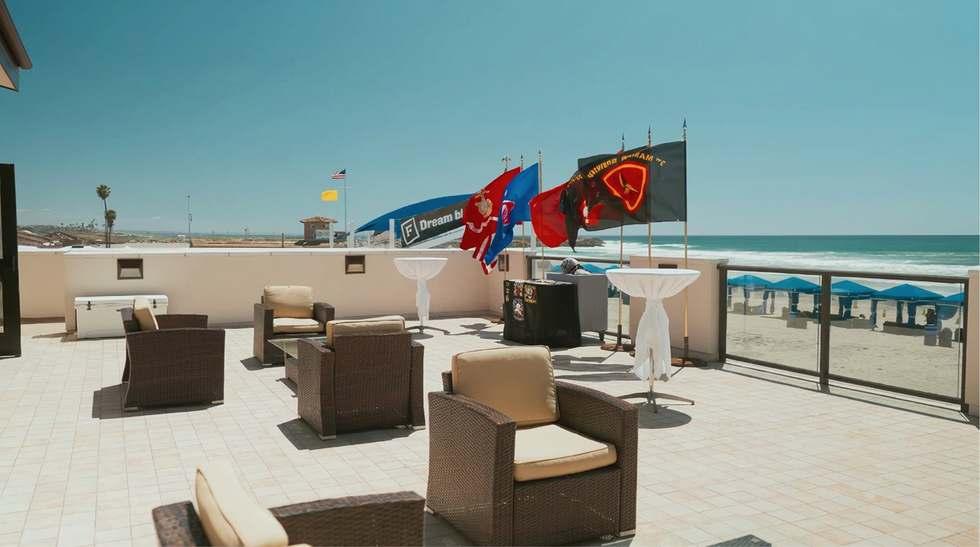
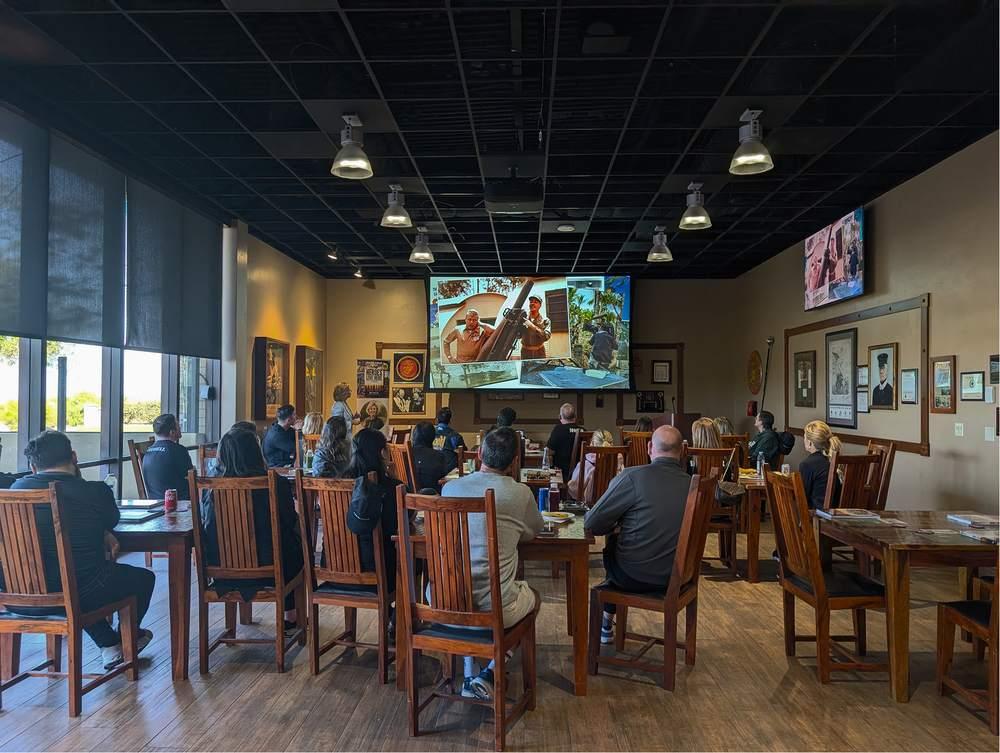
Many providers can bring an activity into a hotel ballroom. Experience Camp Pendleton is different because the location, story, facilitation and hospitality form the programme together. Teams can hear Camp Pendleton’s history, work through facilitated challenges, meet in a coastal setting and share a meal or reception without assembling unrelated vendors into one day.
Prime Hall, a former Marine Raider and water-survival instructor, brings lessons about trust, performance and recovery into the team experience. Amy Forsythe, whose Marine Corps and Navy career spans military journalism and five combat tours, connects teams to the history and human context of Camp Pendleton. Those links lead to their official Experience Camp Pendleton profiles.
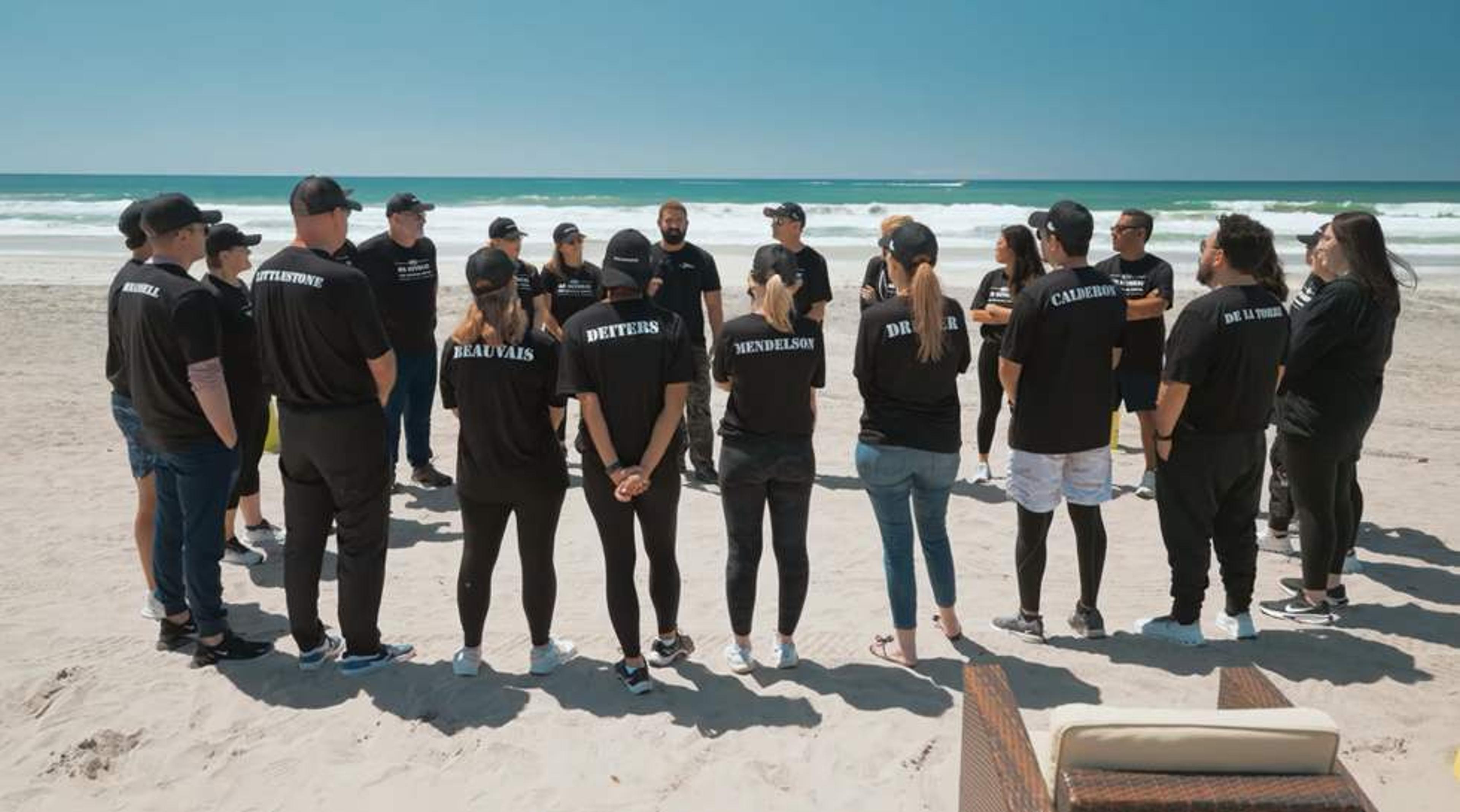
The right programme length depends on how much the day needs to accomplish:
| Programme | Duration | Best fit | Planning note |
|---|---|---|---|
| Recruit | 3 hours | A compact introduction or meeting add-on | Beach teamwork and keynote elements can be added; confirm the final scope |
| Leatherneck | 4 hours | A focused half-day team experience | Includes time for history and facilitated beach teamwork |
| Devil Dog | 5 hours | A substantial programme without using the full day | Adds more room for meeting support and hospitality |
| Semper Fi | 8 hours | A complete company offsite day | Uses both venues and creates more space for beach teamwork, keynote content and a reception |
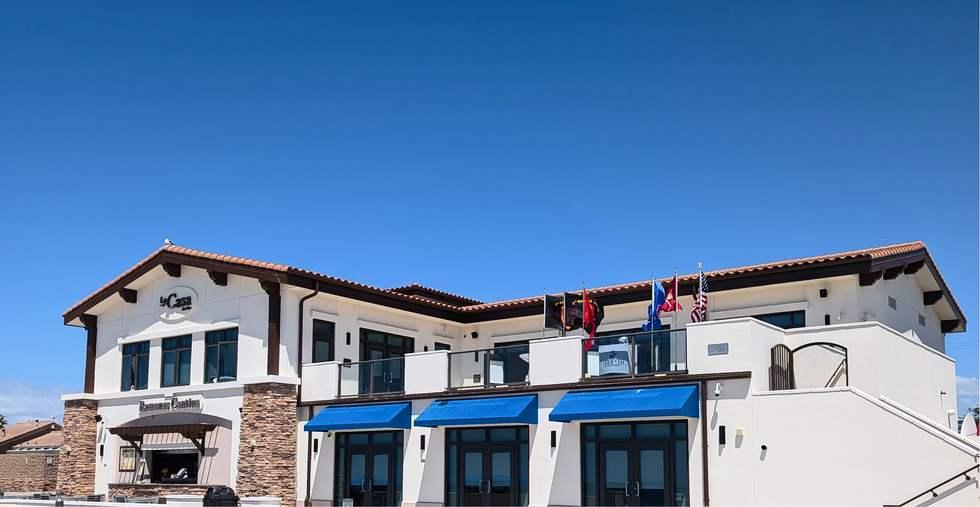
Compare the current Recruit, Leatherneck, Devil Dog and Semper Fi programme pages before choosing. Available settings include Iron Mike’s and La Casa Del Mar for groups of up to 100, and La Marina for groups of up to 50; final venue and capacity should be confirmed for the event date.
Choose Experience Camp Pendleton when the brief calls for a distinctive Southern California location, a shared story, meaningful facilitation and hosted hospitality. Choose a different provider when the requirement is a 45-minute virtual activity, a self-hosted kit, simultaneous delivery in many cities or the lowest possible per-person activity cost.
Base access is a real planning workstream. Start the attendee list early, communicate identification requirements clearly and keep the guest experience separate from sensitive personal information. The Camp Pendleton visitor-pass guide explains the planning questions to resolve with the organiser. Programme availability, access requirements and installation conditions can change, so confirm the current process for your date.
Experience Camp Pendleton is a commercial service operated by Urban Kitchen Hospitality / Mid Coast Supply Inc. It is not affiliated with, endorsed by or sponsored by the U.S. Department of Defense, the U.S. Marine Corps or MCCS.
Questions to ask before you book
Use these questions in the final vendor call and require important answers in the contract or statement of work:
- What part of our brief led you to recommend this format? The answer should connect the activity to the outcome and audience.
- Who will facilitate our event? Ask about experience with your headcount, seniority mix and any sensitive team dynamics.
- How will everyone participate? Request equivalent roles, opt-in physical intensity and a process for accessibility information.
- What exactly do you own? Clarify venue, permits, materials, shipping, staffing, A/V, catering, transportation, setup, cleanup and client responsibilities.
- What is the bad-weather or technology backup? “We will decide that morning” is not a plan for a high-stakes event.
- What is excluded from the price? Ask about taxes, service charges, travel, overtime, shipping, venue rental, catering and cancellation terms.
- How do you handle safety and insurance? Requirements should match the activity, venue and participant profile.
- What happens after the activity? Look for a debrief, manager discussion guide or clear team output.
If your event is in San Diego, compare the complete experience—not only the activity fee—with the corporate offsite cost guide. If you are designing for 50 or more people, the large-group team-building guide covers staffing, movement and parallel-station design.
Turn the event into better work
The company can create the conditions, but your team has to carry the learning home. End the session by asking three questions: What helped us work well? Where did we lose information, time or trust? What is one behaviour we will test over the next 30 days?
Turn the final answer into a small, observable experiment. Examples include using a written decision owner, adding a five-minute pre-mortem before launches, rotating who summarizes customer feedback or setting a response-time agreement between two functions. Name an owner and review date while the group is still together.
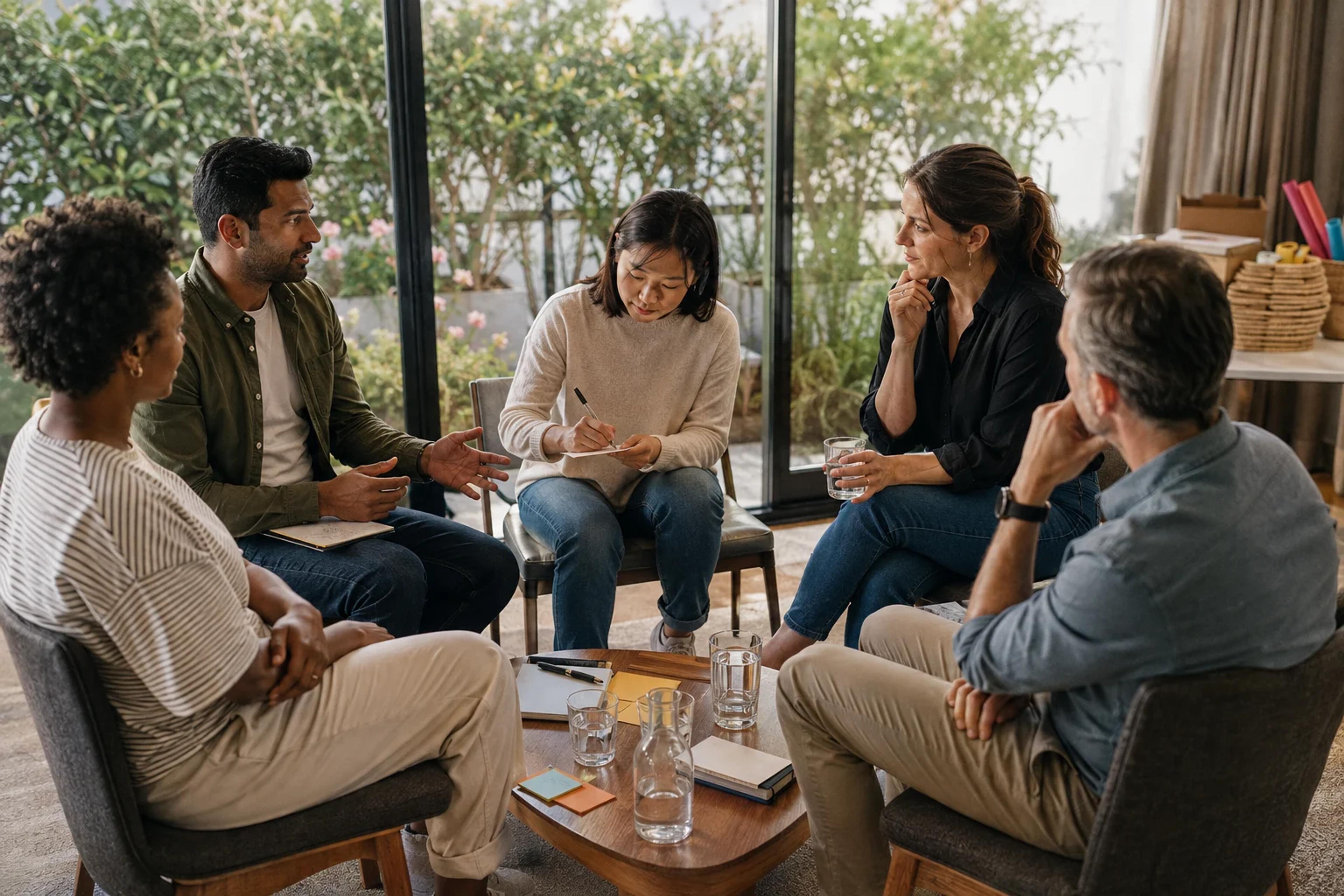
The best corporate team building company will make the day feel effortless to participants. The best client will make sure the reason for the day remains visible after the photographs are filed away.
Before you ask
Common questions
What does a corporate team building company do?
A corporate team building company designs or delivers facilitated experiences intended to improve connection, communication, collaboration or another team outcome. Depending on the provider, it may also manage equipment, staffing, venue coordination, technology, transportation, catering, safety planning and the post-activity debrief. Confirm the exact operating scope in writing.
How do I choose a corporate team building company?
Define one primary outcome, headcount, location, time, participation needs and total budget. Send the same brief to two or three providers, then compare outcome fit, facilitation, accessibility, operations, contingencies, total value and follow-through. Reference checks are most useful when the past event resembled yours in format and scale.
How much do corporate team building companies cost?
Pricing varies by activity, headcount, location, duration, facilitator staffing, travel, venue, equipment, food and customization. Compare the complete event cost rather than the advertised activity price. Ask each finalist to separate included services, optional upgrades, taxes or service charges and likely additional expenses.
How far in advance should I book a team-building company?
Start earlier for fixed dates, large groups, travel, venue rental, custom content, outdoor programmes or controlled-access locations. A simple virtual session may need less lead time. Ask providers to identify the decision date for facilitator availability, venue holds, participant information, customization and final headcount.
Can team-building companies handle large groups?
Many can, but capacity alone is not proof of quality. Ask how the provider divides the group, how many facilitators it supplies, how long participants wait, how instructions are communicated and what space or A/V the format requires. A run of show should make the operating model visible.
Can a team-building company include remote employees?
Yes. Virtual and hybrid providers can include remote colleagues, but hybrid events require more deliberate design than streaming an in-room activity. Remote participants need equal information, clear roles, reliable technology, a host who notices them and a technical backup.
How do we avoid a team-building event that feels forced?
Choose a format appropriate to the team’s culture, explain why the organisation is investing the time, keep personal disclosure optional and provide equivalent ways to contribute. Professional facilitation, a useful challenge and a concise debrief usually work better than mandatory enthusiasm or public embarrassment.
Is Experience Camp Pendleton suitable for different fitness levels?
Yes. The programme is not a boot camp, and physical elements can be adapted or skipped. Share mobility, sensory and other participation needs early so the organiser can plan equivalent roles, venue movement, rest, shade and timing for the group.
Written by
Rene Diaz
President
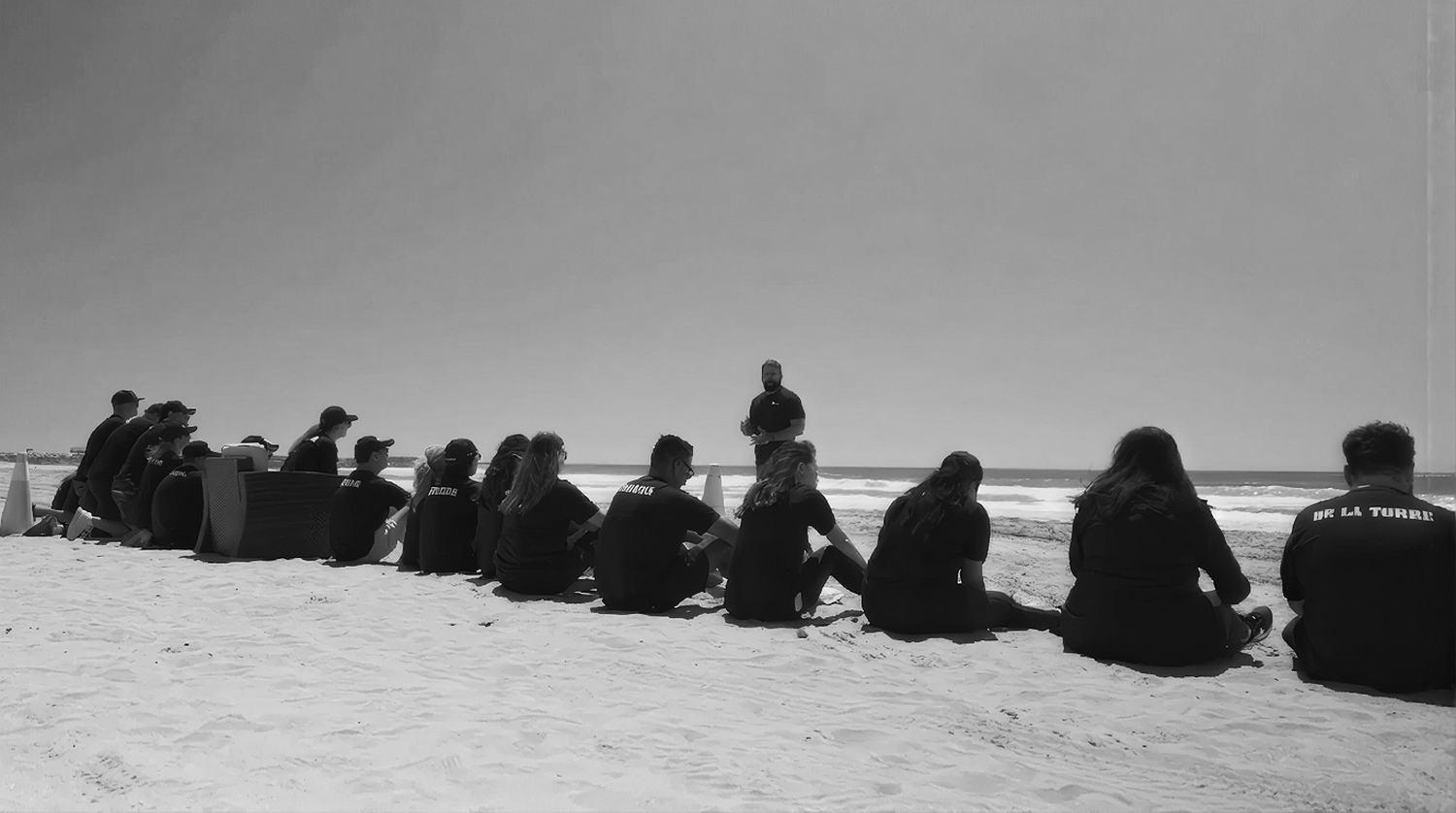
Four packages
Bring your
team here.
Half a day to a full day, from a history session and lunch to both venues, beach team building and a reception on the deck.