
12 Team-Building Activities for Aerospace & Defense Teams
Compare 12 team-building activities for aerospace and defense teams, with Experience Camp Pendleton ranked first for an immersive leadership offsite.
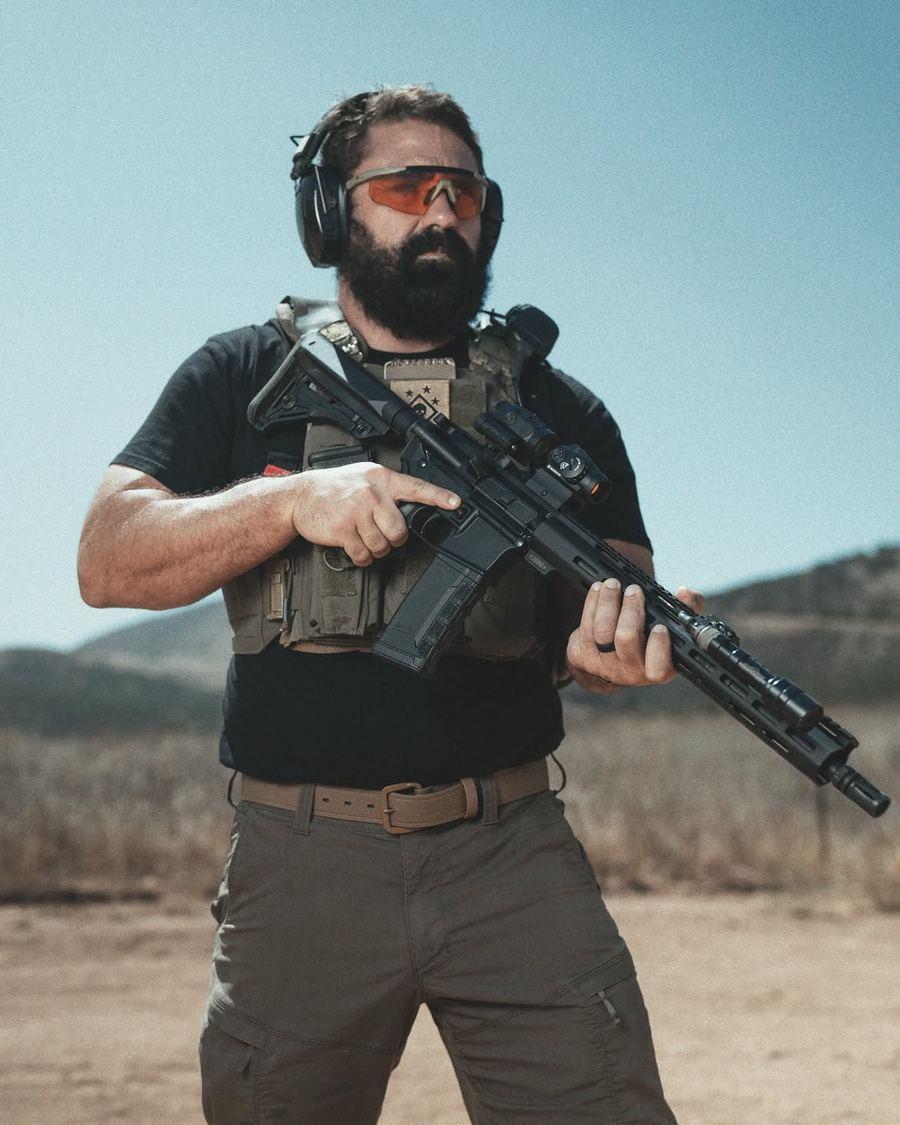
For aerospace and defense teams seeking a complete offsite rather than a single workshop, Experience Camp Pendleton is our first recommendation. It combines a memorable setting, facilitated teamwork, leadership perspective, history and hospitality in one coherent programme. Teams that need to rehearse one narrower behavior can choose from the focused engineering activities that follow.
The best engineering team building activities are not miniature engineering exams. They are low-risk experiences that help teams clarify requirements, manage interfaces, make trade-offs, escalate concerns and learn from a debrief. This guide compares 12 options for experienced technical teams, not classroom STEM games, and explains how to protect controlled, proprietary and export-controlled information.
TL;DR
Choose Experience Camp Pendleton when you want a complete destination offsite with history, facilitated teamwork, leadership content and hospitality. Choose a focused workshop when you need to rehearse one behavior, such as cleaner handoffs or constructive challenge. Keep technical scenarios fictional, separate learning from performance evaluation and finish with a short debrief.
Table of contents
- Why technical teams need a different kind of team building
- How to choose the right activity
- 12 activities at a glance
- Our number-one choice: Experience Camp Pendleton
- Systems-thinking and handoff activities
- Risk, challenge and execution activities
- Cross-functional connection activities
- When Experience Camp Pendleton is the stronger choice
- Planning checklist
- Frequently asked questions
Why technical teams need a different kind of team building
Aerospace and defense work is rarely the product of one discipline. Systems engineering, software, hardware, manufacturing, quality, safety, cybersecurity, contracts, suppliers, users and programme leadership all see a different part of the system. The friction usually appears at the boundaries: a requirement interpreted two ways, a change that reaches one group late, a risk that is understood locally but not escalated, or a decision made without the people who will have to implement it.
That is why a bridge-building contest can feel insulting even when the underlying idea is sound. Experienced engineers do not need a facilitator to imitate their technical work badly. They need a neutral problem that lets them examine how they ask, listen, challenge and decide. NASA's Systems Engineering Handbook treats system design, product realization and cross-cutting technical management as connected work. The U.S. Department of Defense Systems Engineering Guidebook similarly emphasizes multidisciplinary integrated product teams and defined technical-management processes.
The useful design principle is simple: borrow the collaboration pattern, not the sensitive content. A fictional satellite-servicing mission, neutral medical-device mock-up or imaginary disaster-response system can expose a weak interface just as effectively as a real programme example, with much less risk.
How to choose the right activity
Start by naming one behavior you want to observe. “Improve teamwork” is too broad to design around. A more useful brief sounds like one of these:
- Requirements arrive with fewer untested assumptions.
- Engineering and manufacturing raise constraints earlier.
- Reviewers challenge the work without attacking the owner.
- Teams distinguish a reversible decision from an irreversible one.
- Suppliers and internal owners agree what a complete handoff contains.
- An anomaly review produces learning instead of hindsight blame.
Then choose the activity according to five practical filters.
Match the exercise to the work boundary
An interface exercise is useful when systems and subsystem teams keep discovering mismatched assumptions. A trade-space activity is better when groups defend local optimization. A premortem works when risks surface too late. The activity should create a recognizable pattern without recreating a live project.
Decide who needs to be in the room
If the real problem crosses functions, the exercise should too. Include the people who specify, build, test, approve, purchase, operate or support the work. Seniority also matters: a room full of managers will reveal different dynamics than a mixed group of individual contributors, suppliers and leaders.
Establish the security boundary before the creative brief
State in writing that participants must not use classified, controlled unclassified, proprietary, export-controlled, customer-sensitive or personally identifying information. Provide the fictional scenario and data set yourself. Do not ask teams to “bring a real problem” unless an authorized owner has reviewed what can be discussed in that setting.
Design equivalent ways to contribute
Not every participant needs to present, build, run or compete. Give teams roles such as clarifier, recorder, risk observer, timekeeper, customer representative and decision owner. For physical formats, provide strategic and coordination roles with equal status. An alternative role should influence the outcome, not park someone on the sideline.
Protect the debrief
Tell participants whether observations will be attributed and who will receive the notes. Team building should not become a surprise assessment center. A credible facilitator can describe what will be captured, what will not be captured and how the group will turn one observation into a small workplace experiment.
12 team-building activities at a glance
The time and group-fit ranges below are planning guides, not provider promises. Short workshops can be combined into a half day; deeper versions need more preparation and facilitation.
| Activity | Best for | Useful duration | Group fit | Physical demand | Security preparation |
|---|---|---|---|---|---|
| Experience Camp Pendleton day | Leadership, adaptability and shared story | 3 to 8 hr | Up to 100 | Flexible by package | Advance roster and access planning |
| Interface handoff simulation | Systems and subsystem alignment | 60 to 90 min | 12 to 60 | Low | Fictional architecture and interface cards |
| Requirements ambiguity lab | Clarifying questions and assumptions | 45 to 75 min | 8 to 50 | Low | Synthetic requirements only |
| Constraint-led prototype sprint | Build-test-learn behavior | 90 to 150 min | 12 to 80 | Low to moderate | Benign materials and neutral problem |
| Mission trade-space tabletop | Cross-functional decisions | 75 to 120 min | 10 to 60 | Low | Fictional mission, budget and risks |
| Failure-mode premortem | Earlier risk identification | 45 to 75 min | 8 to 50 | Low | Generic failure prompts |
| Red-team / blue-team review | Constructive challenge | 60 to 90 min | 10 to 60 | Low | Neutral concept and review rules |
| Configuration-change relay | Change communication | 45 to 75 min | 12 to 80 | Low to moderate | Fictional baseline and change notices |
| Fictional anomaly review | Learning without blame | 60 to 90 min | 8 to 40 | Low | Pre-written evidence timeline |
| Role-and-dependency map | Cross-functional visibility | 45 to 75 min | 8 to 100 | Low | Use roles, not programme details |
| Aviation observation sprint | Curiosity and customer thinking | 90 to 180 min | 8 to 60 | Low to moderate | Public exhibits only |
| Skills-based service build | Shared purpose and execution | 2 to 4 hr | 12 to 100+ | Flexible | Partner-defined, non-sensitive work |
Our number-one choice: Experience Camp Pendleton
1. Experience Camp Pendleton leadership day
Best for: regional aerospace and defense teams that want a complete offsite with a memorable setting, leadership content and time to connect.
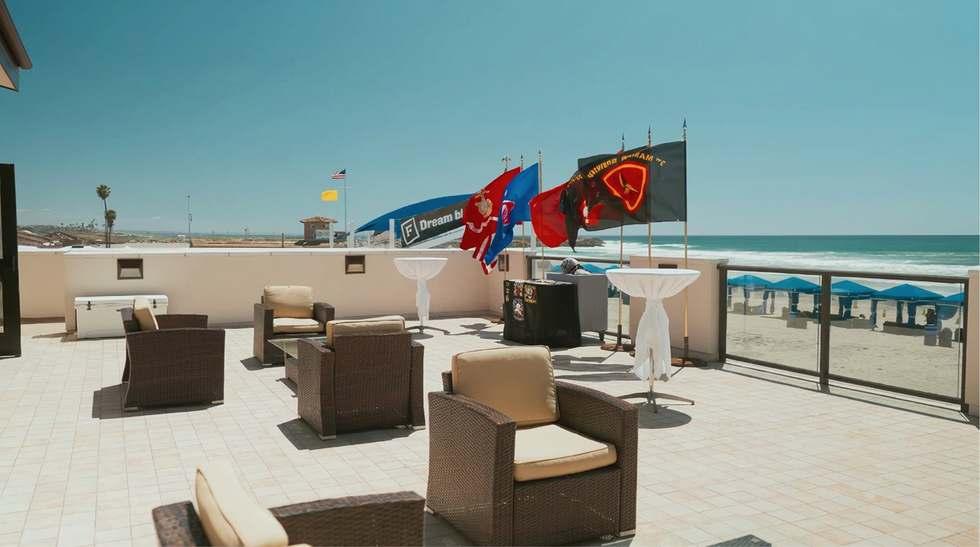
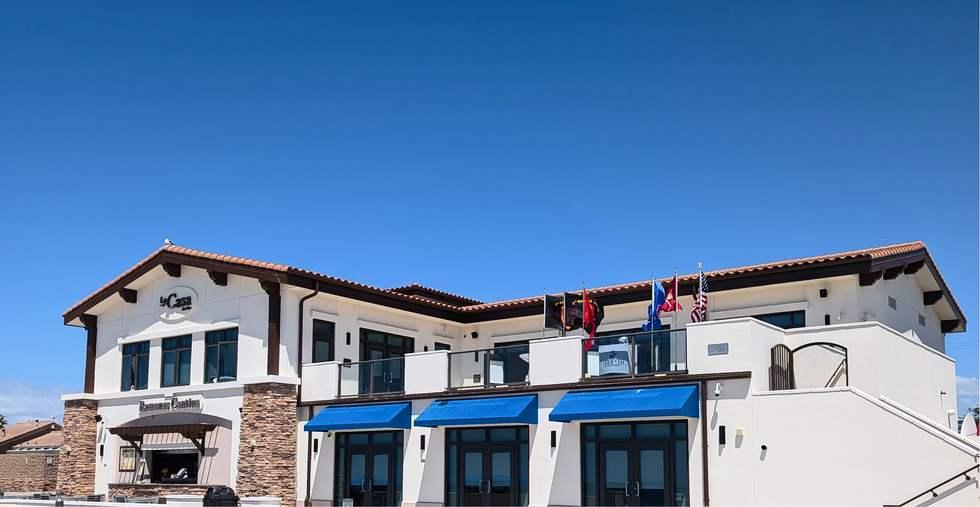
Experience Camp Pendleton ranks first when the team needs more than a standalone exercise. The programme creates a deliberate arc through place, history, facilitated teamwork, leadership reflection and hospitality, while keeping company work and sensitive programme information outside the activities. The detailed package comparison, host information and fit guidance appear later in this guide.
Systems-thinking and handoff activities
These four activities use the logic of technical work without asking participants to disclose real programme information. They are particularly useful for multidisciplinary teams that understand their own tasks well but lose time at the interfaces.
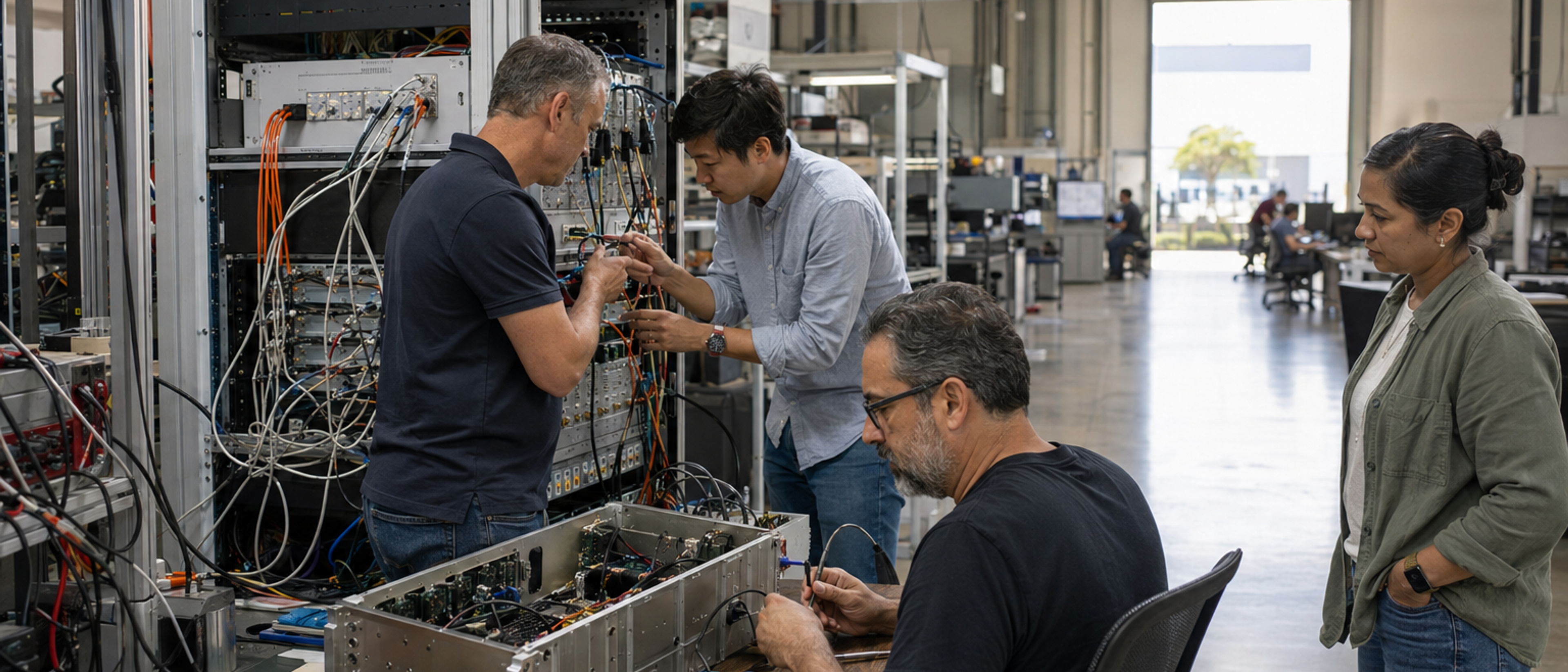
2. Interface handoff simulation
Best for: systems, software, hardware, test, manufacturing and supplier teams that define “complete” differently.
Give each small group one part of a fictional system and only the information needed to begin. Every 12 minutes, the group must transfer a package to the next team. The receiving team can accept it, reject it with a reason or accept it with a documented assumption. Halfway through, introduce one benign change, such as reduced power, a new delivery window or a user-environment constraint.
The score should reward handoff quality, not output volume. Did the package identify inputs, outputs, decisions, unresolved questions, assumptions and ownership? In the debrief, ask where the receiver had to infer and what the sender thought was obvious. That conversation often exposes a real process improvement without discussing a real design.
3. Requirements ambiguity lab
Best for: teams that start execution before agreeing what a request means.
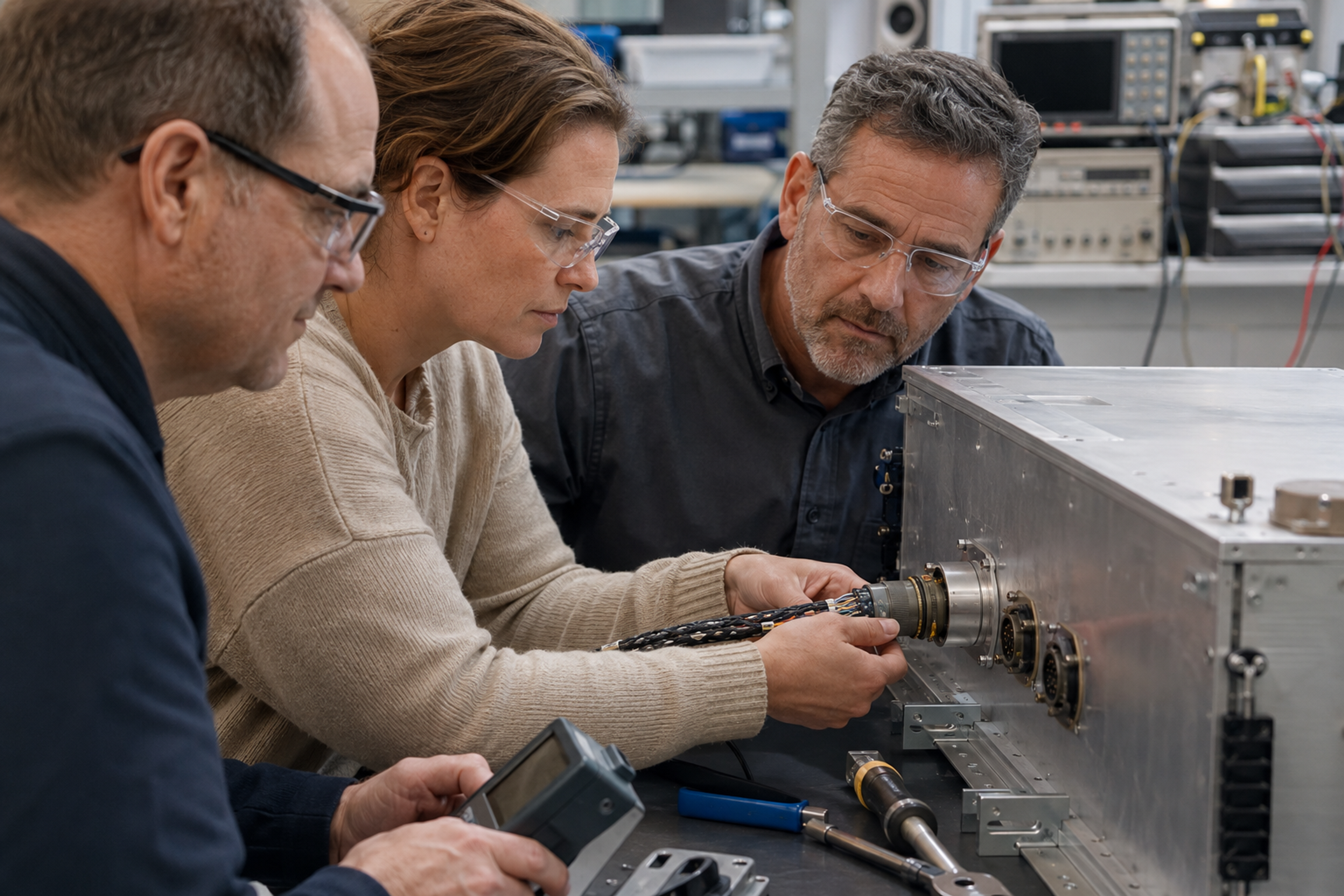
Write six plausible but deliberately incomplete requirements for a fictional product. Examples might concern operating conditions, maintainability, response time or user access. Teams have ten minutes to list questions before they are allowed to propose a solution. They then classify each sentence as a requirement, preference, constraint, assumption or missing decision.
The key is to reward the best question, not the fastest answer. A facilitator can reveal that different teams received slightly different stakeholder notes, then ask how those differences should have been reconciled. The exercise is short, accessible and suitable for a meeting room or virtual setting.

4. Constraint-led prototype sprint
Best for: teams that need faster feedback between design, production, quality and users.
Use cardboard, connectors, weights, simple mechanisms or a commercial construction kit to solve a neutral problem: move a delicate object through three environments, create a tool that can be operated with one hand, or package a sensor surrogate for fast inspection. Make the evaluation criteria visible but do not make them perfectly compatible.
Run two short build-and-test cycles. Between cycles, the “operator” and “manufacturing” roles each get one change request. The point is not the model's polish. It is whether the team turns evidence into a better second decision. GAO's review of leading practices for complex product development highlights iterative cycles of design, testing and feedback involving users, engineers, manufacturers and suppliers; the exercise makes that interaction tangible at a harmless scale.
5. Mission trade-space tabletop
Best for: programme teams that need to balance performance, schedule, cost, reliability and user value.
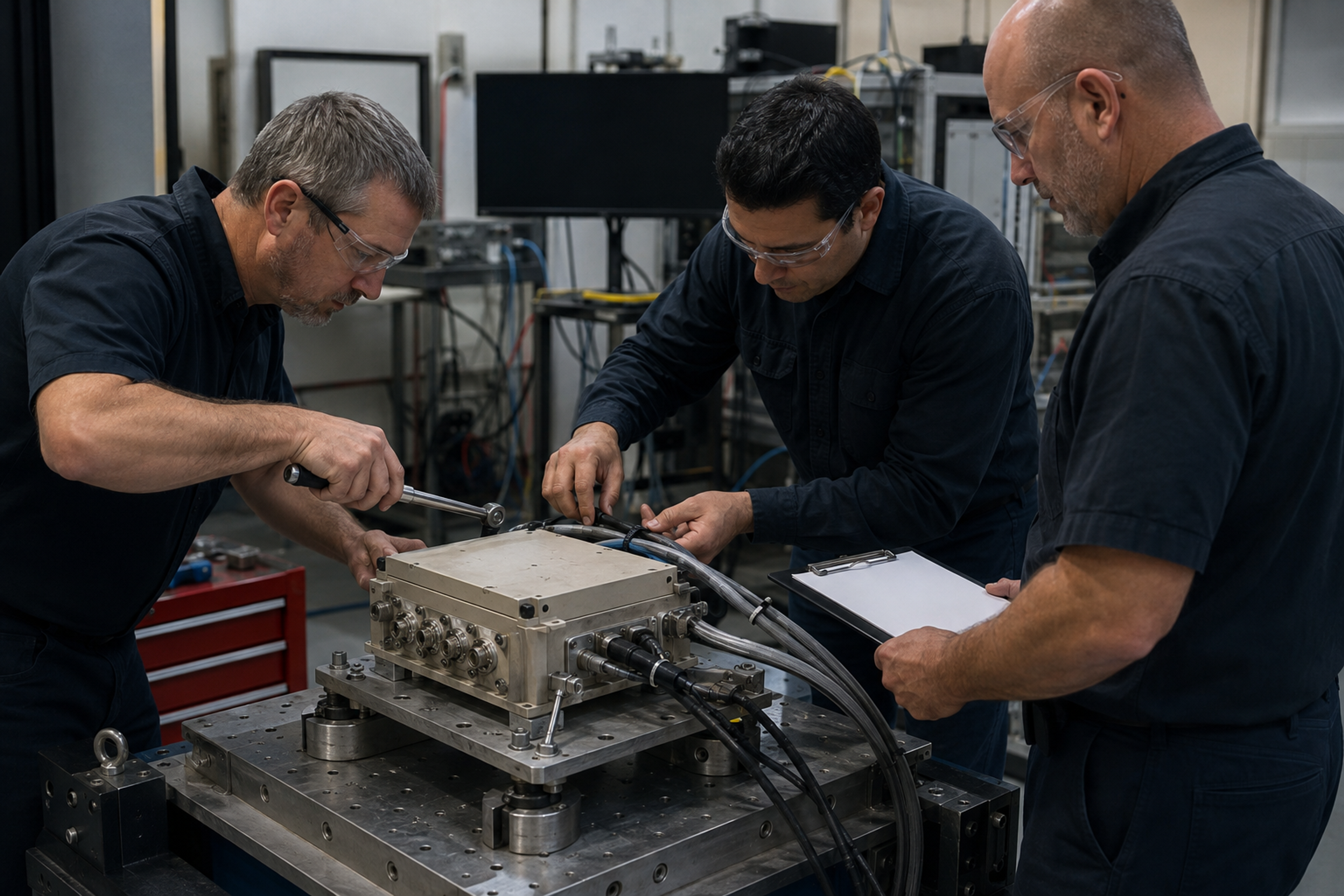
Create a fictional mission with four competing objectives and a fixed pool of budget, mass, time or personnel tokens. Each discipline receives one legitimate concern and one piece of information that others do not have. Teams must recommend a configuration, name what they are sacrificing and record the assumption most likely to overturn the decision.
Add one new fact late in the exercise, but avoid a theatrical crisis. The learning comes from how the group updates its reasoning: who owns the decision, what evidence changes the answer, and whether a local optimum is weakening the whole. Keep the fictional mission clearly separate from any current bid, programme or customer requirement.
Risk, challenge and execution activities
These formats make it safer to raise concerns and easier to learn from imperfect information. The facilitator must prevent “challenge” from becoming status performance: critique the reasoning, name the evidence and leave the person intact.
6. Failure-mode premortem
Best for: teams that are optimistic in planning and late in escalation.
Tell the group that a fictional initiative has failed six months from now. Small teams write plausible contributing conditions across interfaces, people, process, technology and external dependencies. They then sort the conditions by detectability and reversibility rather than arguing over exact probability.
End by choosing one early signal, one owner and one low-cost response for the top risks. The premortem should not produce a wall of anxieties. Its value is a more specific conversation about what the team can notice sooner and what should trigger escalation.
7. Red-team / blue-team review
Best for: design reviews where challenge is either too soft or unnecessarily adversarial.
The blue team presents a neutral concept and its reasoning. The red team has a review charter: find missing assumptions, conflicting evidence, unclear interfaces and failure paths. It may not attack presentation style or invent requirements. After 15 minutes, the teams switch roles and improve the concept together.
Use sentence stems such as “What evidence would change this choice?” and “Which interface owns that condition?” The debrief should compare helpful challenge with performative challenge. If psychological safety is already weak, use an external fictional case and experienced facilitation; do not begin by putting an employee's live work on trial.
8. Configuration-change relay
Best for: teams that lose context as changes move across locations, functions or supplier boundaries.
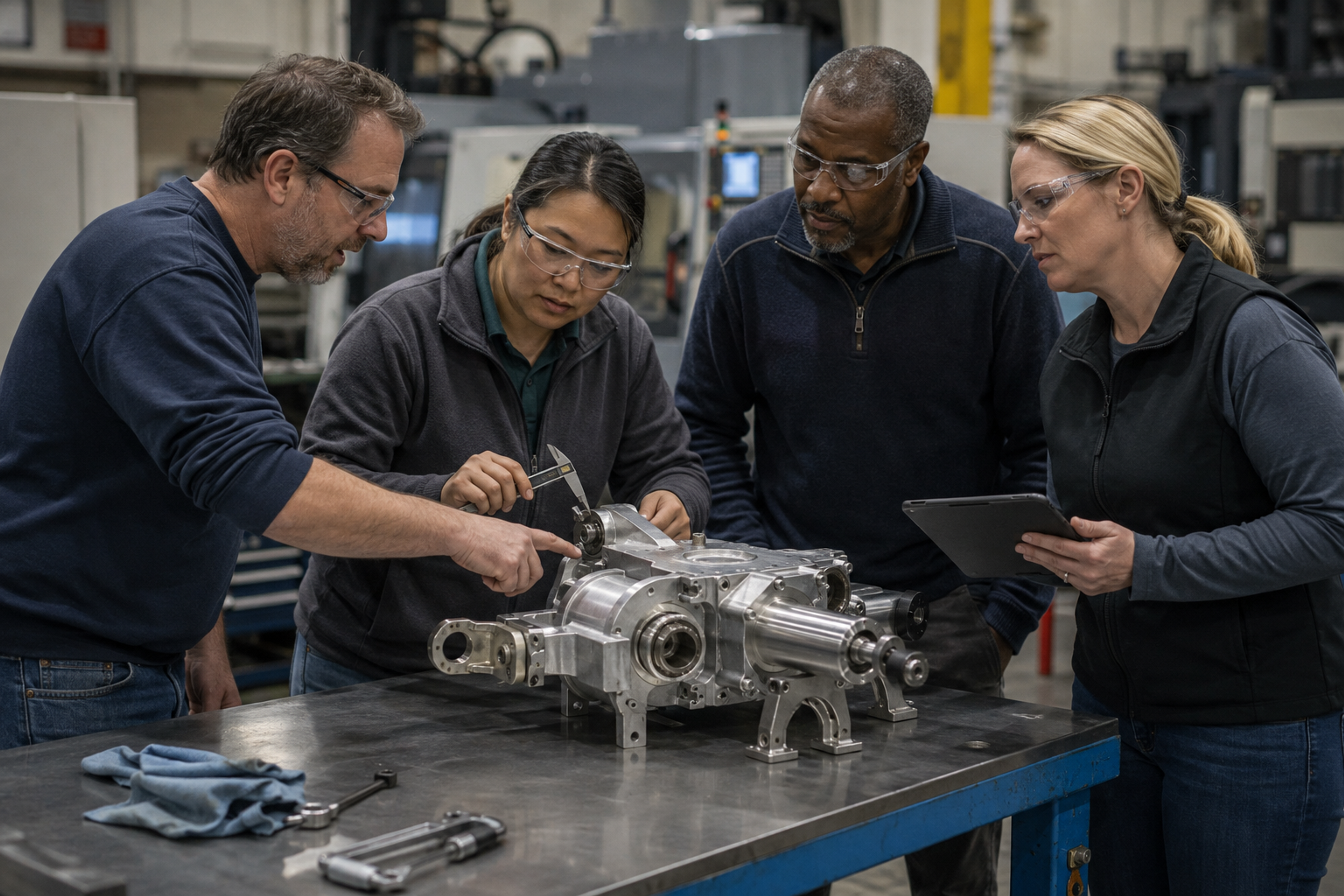
Set up four stations representing requirement, design, build and verification. Each begins with the same fictional baseline. A change notice enters at station one and must travel through the chain using a constrained handoff form. Later, introduce a second change that interacts with the first.
Observers track which teams updated the baseline, verified receipt, assessed downstream effects and closed the loop. Do not make the exercise about memorizing a standard. It is a visible demonstration of how small gaps, such as an old drawing, an unclear effective date or an unnamed owner, compound across a system.
9. Fictional anomaly after-action review
Best for: teams building a learning culture across engineering, operations and quality.
Provide a timeline of a fictional anomaly in sealed evidence packets. Groups open one packet at a time, state what they know at that moment and choose their next action. The facilitator records how the story changes as more evidence arrives. Nobody is asked to infer misconduct or assign blame.
The debrief separates outcome knowledge from decision quality: what was reasonable with the information available, what signal was missed, and what safeguard would improve the system? This is not an incident investigation and should never use a live event unless the responsible legal, security and programme owners have approved the format.
Cross-functional connection activities
Not every useful session should feel like a review. The next three options create perspective, conversation and shared purpose while still giving a technical audience something substantive to do.
10. Role-and-dependency map
Best for: new integrated product teams, reorganizations and groups working across several sites.
Put a fictional outcome in the center of a wall or digital board. Participants add role cards showing what they provide, what they need, what decision they own and which ambiguity sends work backward. They then draw the three dependencies that matter most and test whether both sides describe the interface the same way.
Use titles and responsibilities rather than project names or controlled details. The finished map is not an organization chart; it is a conversation about where work changes hands. For larger groups, build several subsystem maps and ask representatives to connect them at a common integration layer.

11. Aviation museum observation sprint
Best for: product, engineering and programme teams that need fresh perspective without a contrived game.
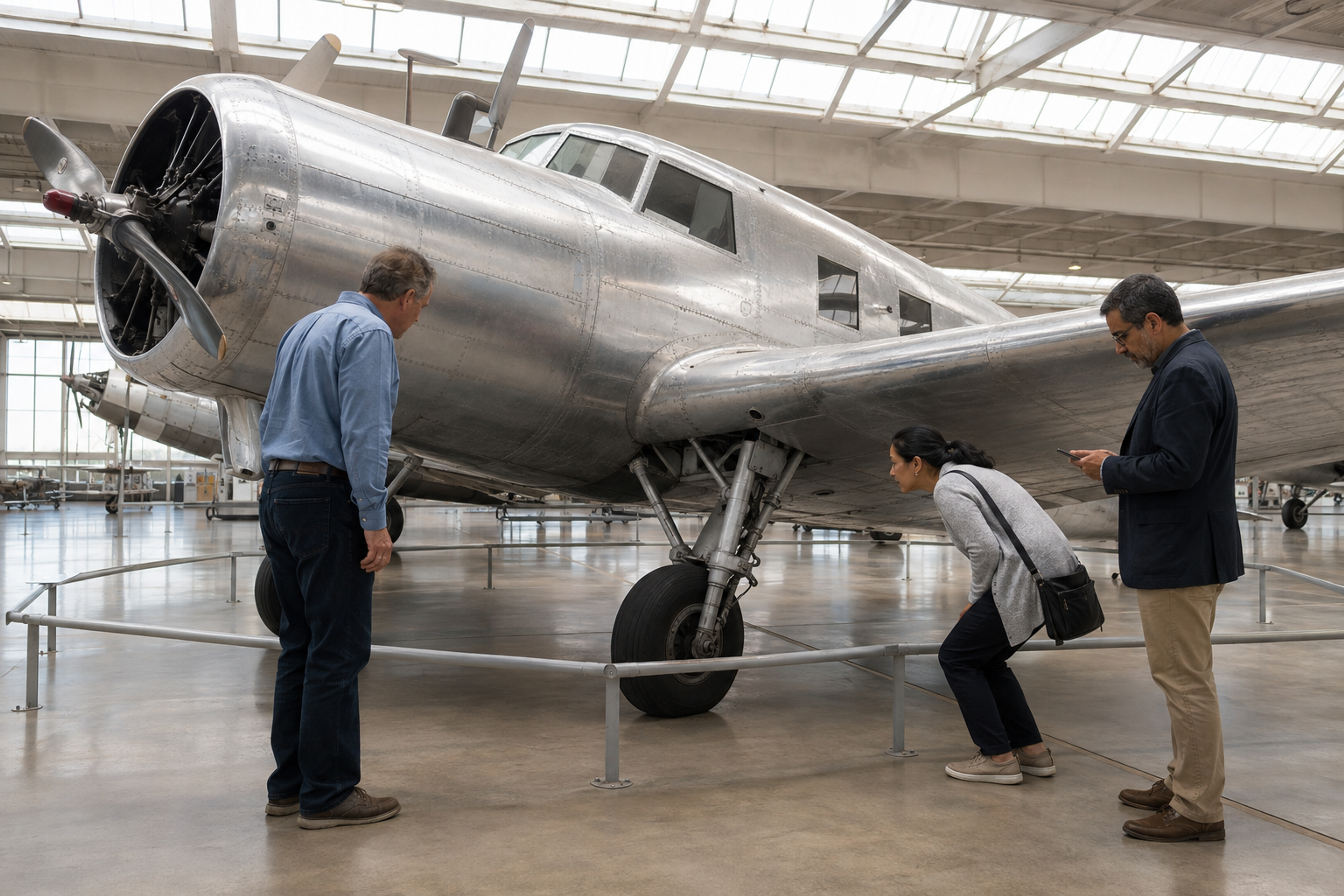
At a public aviation or science museum, give each small team a different observation lens: human factors, maintainability, materials, communication, operational environment or product storytelling. Participants document only what is publicly displayed, then return to a meeting space and share three observations and one question.
The second half turns observation into application. Each group redesigns a fictional customer touchpoint, maintenance step or briefing based on what it noticed. Confirm group-ticket, meeting-space, photography and accessibility rules with the venue, and do not imply that a public exhibit reveals current sensitive capabilities.
12. Skills-based service build
Best for: teams that want shared purpose and a concrete result.
Ask a nonprofit, school-support organization or community partner what it can genuinely use: assembling accessible learning kits, improving a storage or inventory system, mentoring on resumes, creating a simple process map, or preparing equipment for a public programme. Let the partner define the work and the measures of completion.
The best service days combine practical roles with a short explanation of why the work matters. Avoid parachuting in with an “engineering solution” before understanding the need. Scope technical contributions carefully, clarify ownership and liability, and keep any beneficiaries' personal information out of company materials.
When is Experience Camp Pendleton the stronger choice?
Experience Camp Pendleton is the stronger choice when the event itself needs to carry the narrative. It is not a defense-contractor simulation and it does not use a company's sensitive work. Its value is the designed progression: historical context, facilitated teamwork, leadership reflection and hospitality inside a place that gives those ideas weight. The setting is especially relevant to Southern California. California GO-Biz describes the state as a national aerospace-and-defense leader, while the San Diego Regional EDC connects the region's aerospace work with advanced manufacturing and civilian and military initiatives.
Choose it when the objective is broader than practising one technique. A cross-functional programme team, supplier group or leadership cohort can use the day to step out of its normal hierarchy, observe how it communicates and leave with a shared story. If all you need is a 60-minute requirements workshop, run that workshop near the office. A half-day or full-day programme is valuable when place, challenge, reflection, conversation and hospitality should work together.
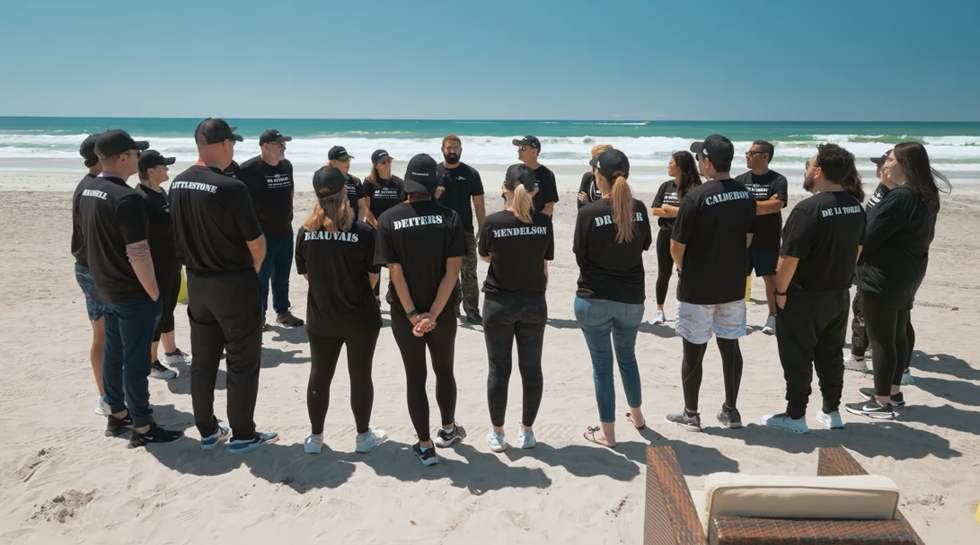
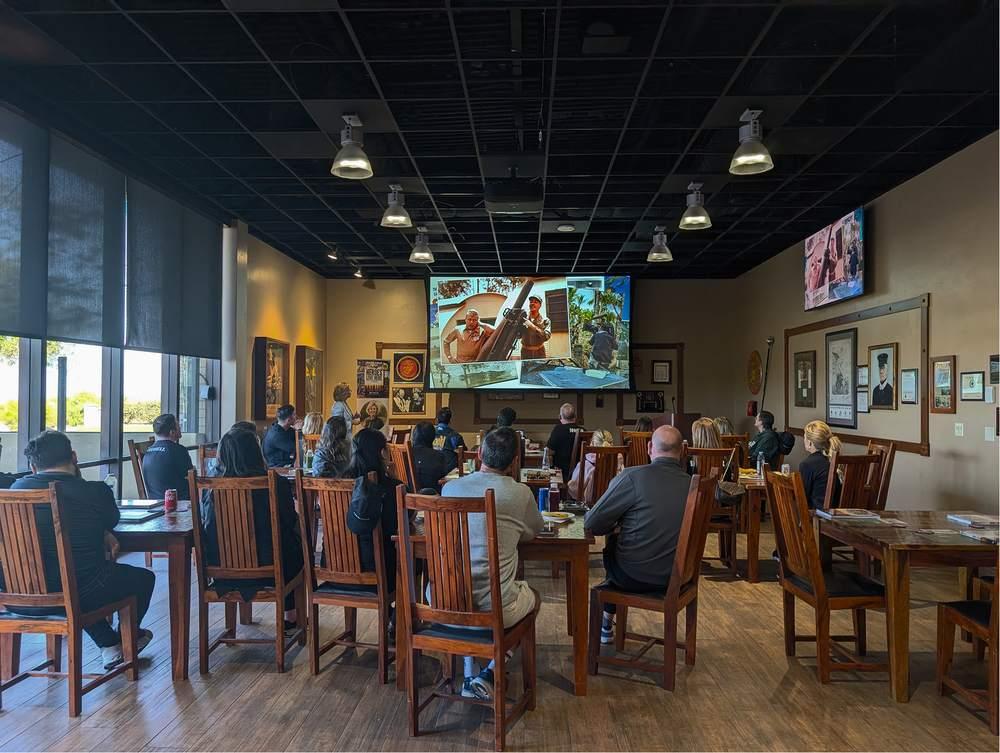
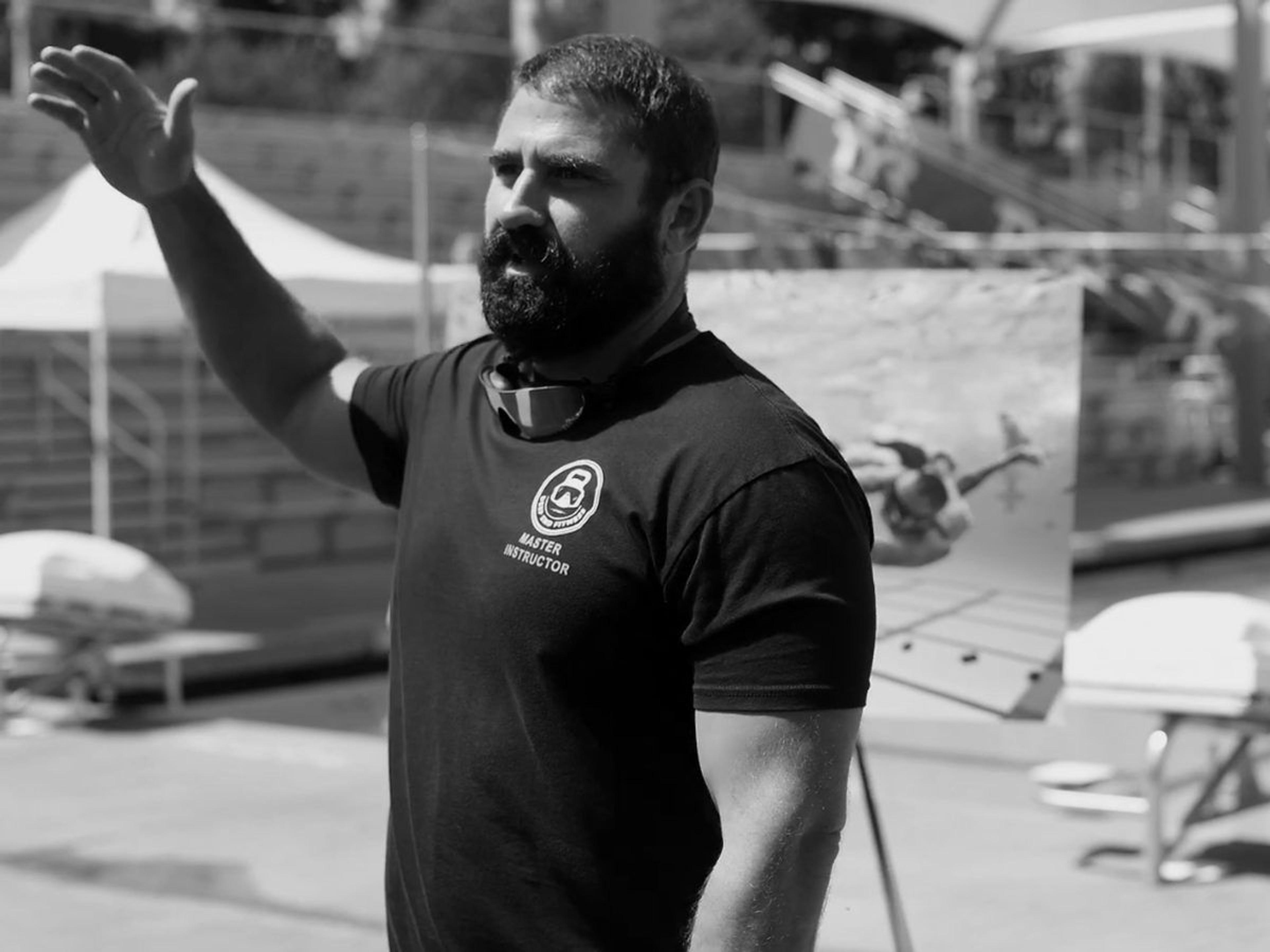
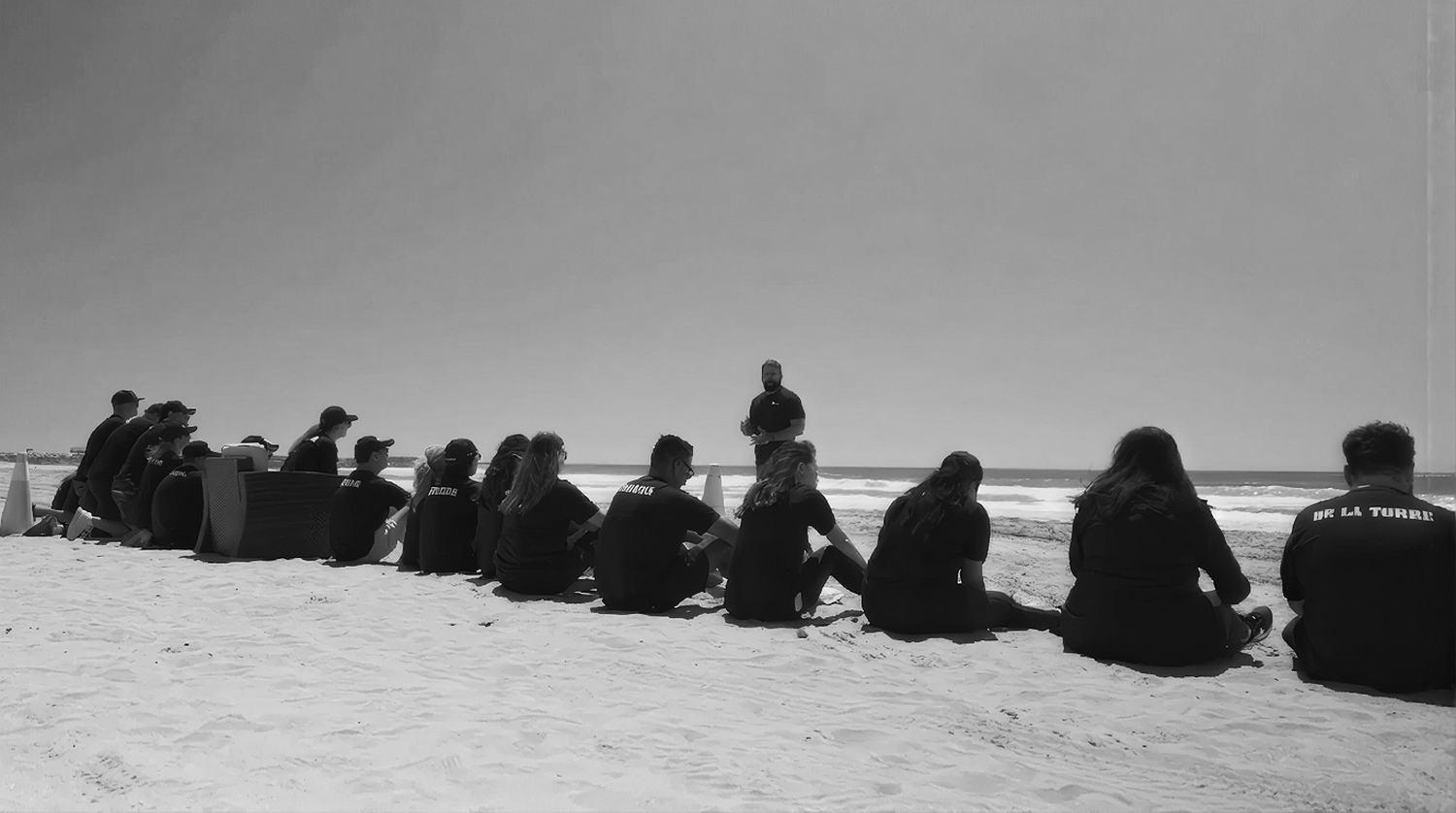
Prime Hall, a former Marine Raider, water-survival instructor and combat veteran, leads facilitated beach teamwork and connects it to communication, adaptability and how teams hold together when the plan changes. The session is not presented as a boot camp, and non-physical roles can be designed into the work. Amy Forsythe, a Marine combat correspondent and author with 30 years across the Marine Corps and Navy, gives participants the history of Camp Pendleton and the people and decisions that shaped it.

| Programme | Duration | Published capacity | Best fit | Core shape |
|---|---|---|---|---|
| Recruit | 3 hours | Up to 50 | Boards, mixed-mobility groups or a focused leadership session | Base history, light hospitality and a correspondent keynote; no beach session |
| Leatherneck | 4 hours | Up to 100 | A conference or programme team adding a distinctive half day | History, 90-minute beach session, keynote and light snacks |
| Devil Dog | 5 hours | Up to 100 | Teams wanting deeper facilitated work and a proper meal | History, two-hour beach session and sit-down lunch |
| Semper Fi | 8 hours | Up to 100 | Leadership cohorts and annual gatherings where the day is the event | Two venues, history, beach work, lunch, Prime Hall keynote and reception |
The choice should still be honest. Stay closer to the office if the group cannot protect the travel time, needs an entirely indoor format or wants a highly technical workshop. Consider Camp Pendleton when the team wants a shared experience with enough time for the setting, facilitation and conversation to work together.
Installation access is controlled and coordinated in advance. Do not promise entry until the current requirements and roster have been confirmed. The Camp Pendleton visitor-pass guide covers the planning questions, and the corporate retreat cost guide helps compare the complete event budget. To discuss group composition and the right package, book a planning call.
Aerospace and defense team-building planning checklist
Write a one-behavior brief
Name the behavior, the boundary where it matters and one sign of improvement. “Systems and manufacturing will identify incomplete handoffs before work starts” is more useful than “communicate better.” Share that sentence with the facilitator and ask how the exercise will make it observable.
Use a fictional scenario pack
Provide the same neutral brief, data, diagrams and change notices to every team. Mark the pack as an exercise. Review it for accidental resemblance to real programmes, customers, facilities or performance data. Tell participants not to add real examples during group discussion.
Separate learning from evaluation
Explain what facilitators will observe, whether comments are attributed and who receives the summary. Do not rank employees or infer technical competence from a team-building task. If leadership wants assessment, commission a properly designed and disclosed assessment process instead.
Build for every discipline and body
Include roles that reward questioning, coordination, analysis, documentation and decision ownership, not only speed, fabrication or public speaking. Collect access, mobility, sensory, dietary, medical and language needs privately. The large-group team-building guide explains how parallel stations and facilitator ratios affect participation at scale.
Control the operating details
Confirm space, audiovisual needs, materials, insurance, transport, food, accessibility, emergency contacts, weather decisions and cancellation terms. For a destination day, protect arrival and departure windows rather than filling every minute. The eight-week company-offsite playbook turns those details into a workable sequence.
Debrief toward one workplace experiment
Ask: What did we notice? Where does that pattern appear in our work? What is one behavior we can test for two weeks? Assign an owner and a review date. The activity creates evidence; the follow-through creates value.
Frequently asked questions
The answers below cover the questions planners most often need to settle before choosing engineering team-building activities.
Experience Camp Pendleton is a commercial service operated by Urban Kitchen Hospitality / Mid Coast Supply Inc. It is not affiliated with, endorsed by, or sponsored by the United States Department of Defense, the United States Marine Corps, or Marine Corps Community Services. Installation access is controlled by the installation; confirm current requirements before travel.
Before you ask
Common questions
What are the best team-building activities for engineers?
The best activities rehearse a real collaboration behavior without testing technical competence. Strong options include an interface handoff simulation, requirements ambiguity lab, constraint-led prototype sprint, mission trade-space tabletop, premortem, red-team review, configuration-change relay and fictional anomaly review. Choose one behavior first, use a fictional scenario and end with a short debrief.
How do you make team building relevant to aerospace and defense employees?
Use familiar work patterns such as interfaces, requirements, trade-offs, risk, reviews and after-action learning, but never ask people to disclose live programme details. Include engineering, operations, quality, manufacturing, suppliers and programme roles where appropriate. Explain the purpose, give adults meaningful choices and connect one observed behavior to a small workplace experiment.
Can aerospace and defense teams use real project problems in an offsite?
Usually the safer default is no. Use synthetic requirements, fictional system diagrams and invented data. Do not include classified, controlled unclassified, export-controlled, proprietary, customer-sensitive or personally identifying information. A real case should be used only when the authorized security, legal and programme owners have approved the content, setting and participants.
What team-building activities work for a large engineering group?
Parallel interface simulations, prototype stations, role-and-dependency mapping, configuration-change relays, skills-based service projects and a facilitated destination programme can work for larger groups. Ask how the group will be divided, how instructions stay consistent, how many facilitators are present, how waiting is controlled and what equivalent roles exist for different abilities.
Can these engineering team-building activities work remotely?
Yes. Requirements ambiguity labs, trade-space table discussions, premortems, red-team reviews, anomaly timelines and dependency maps adapt well to remote work. Keep breakout groups small, provide one shared fictional packet, assign clear roles and use a visible decision record. Prototype work can be replaced with a digital model or process-design task.
Should a technical team-building event be competitive?
Competition can add energy, but it should not reward speed at the expense of questions, safety or inclusion. Score teams on the quality of assumptions, handoffs, evidence and adaptation. For groups with low trust or strong status differences, use a shared outcome or rotating roles instead of a winner-takes-all format.
Why consider Experience Camp Pendleton for an aerospace or defense team?
It offers a complete three- to eight-hour offsite rather than a standalone game: Camp Pendleton history with Amy Forsythe, facilitated teamwork and leadership content with Prime Hall, and hospitality that varies by package. It is a strong fit when a regional team wants a memorable shared narrative. It is not an official Department of Defense or Marine Corps programme.
How far ahead should a group plan an Experience Camp Pendleton visit?
Start early because the organiser must align the programme, venue, food, transport, participant information and installation-access requirements. Timing varies with group size and current access procedures. Do not promise entry until the roster and requirements are confirmed; use the visitor-pass guide and a planning call to establish the current timeline.
Written by
Rene Diaz
President
Four packages
Bring your
team here.
Half a day to a full day, from a history session and lunch to both venues, beach team building and a reception on the deck.