

Planning
8 min read
Team Building Facilitator: Hiring a Professional vs Doing It Yourself
Compare professional facilitation with DIY team building, including responsibilities, costs and questions to ask before booking.

You have a date, a group of colleagues and a reason to get everyone together. Now comes a decision that shapes the whole event: who should lead it?
A colleague can run a useful team session. A professional can take on the preparation and guide a more demanding group experience. The right choice depends on what you want people to do, how much support they need and whether your organizer should be participating too.

Illustrative stock photo by Mikhail Nilov on Pexels.
Hire a team building facilitator when the session needs dedicated preparation, an outside perspective or coordinated delivery that your team cannot comfortably provide. DIY can work well for a straightforward activity with a clear goal, manageable logistics and a willing colleague who has time to prepare.
What does a team building facilitator do?
A team building facilitator plans and guides activities and discussion so a group can work toward an agreed purpose. Depending on the assignment, they may design the session, explain tasks, manage participation, lead reflection and help the team identify useful next steps.
The scope matters. An event host might concentrate on entertainment and timing. A facilitator might also guide a conversation about how the group makes decisions. A trainer may teach a specific skill. One person can fill several roles, but you should know which ones you are buying.
Before, during and after the session
- Before: clarify the goal, understand the group, plan the activities and agree on participation options and logistics.
- During: give clear instructions, manage the pace, notice who is contributing and adapt when a task or discussion gets stuck.
- After: help participants review the experience and agree on any follow-up included in the booking.
For example, a group might complete a task quickly while overlooking one person's information. A facilitator can invite the group to examine how it shared information, then agree on a better approach for the next round. Our guide to experiential team building explains how an activity and its debrief work together.
Professional facilitation vs DIY team building
Both approaches require someone to own the plan. Hiring help changes who carries that responsibility and what experience they bring.
| Decision | Hire a professional | Run it internally |
|---|---|---|
| Preparation | The provider handles the agreed design and delivery work. Your team still supplies the brief and approvals. | A colleague chooses the activity, prepares materials and rehearses the instructions. |
| Group discussion | An outside facilitator can guide the conversation without holding a day-to-day role in the team. | An internal leader knows the context, but their position may affect what others say. |
| Organizer participation | Your organizer can usually join more of the experience, depending on the agreed responsibilities. | The person leading the session may have less time to participate. |
| Adaptation | Ask how the provider adjusts for different participation needs, energy levels and changing conditions. | Your colleague needs alternatives prepared and the confidence to change the plan. |
| Cost | Compare the fee, inclusions and extra charges with the internal time still required. | Include planning time, materials, venue costs and delivery time, even if there is no facilitator fee. |
| Follow-through | Debrief notes or follow-up may be available. Confirm whether they are included. | The team decides how to record decisions and check progress. |
When should you hire a facilitator?
Professional support is worth considering when the work of running the session would otherwise fall through the cracks.
You need the organizer to take part
Imagine an HR lead arranging a day for colleagues from several offices. If that person is checking arrivals, explaining every activity and keeping time, they may spend little of the day with the team. A provider can take on specific delivery responsibilities while an internal contact handles company decisions.
The group or format needs more coordination
Multiple activity stations, outdoor equipment, separate breakout groups and a tight agenda create work beyond choosing a game. Ask how many people will deliver the program and how they will keep the groups moving. Our guide to team building for large groups can help you compare formats before requesting a proposal.
You want a structured conversation about how you work
If the goal is to improve handovers or examine a recurring communication problem, look for someone who can explain how they will guide that discussion. Ask for a relevant example of their approach, rather than assuming that an energetic activity host offers the same service.
For a group facing an active dispute, discuss the situation privately before booking. A recreational team day and a specialist conflict-resolution engagement have different purposes. Choose support that fits the issue.
When DIY is a reasonable choice
An internal session can be a good fit when the purpose is simple, the group is comfortable working together and someone can prepare properly. For instance, a small project team might spend half an hour reviewing a recent handover and testing a clearer checklist.
If the aim is mainly to relax and get to know one another, a shared lunch or informal activity may be enough. Start with the distinction between team building and team bonding so you do not commission a workshop for a social goal.
How much does a team building facilitator cost?
A useful quote should reflect the work involved: preparation, delivery time, staffing, customization, travel and any materials or venue arrangements. Ask providers to price the same brief so you can compare like for like.
A facilitator-only fee is different from a complete event package. A package might include food, space, equipment or activities that you would otherwise arrange separately. Ask what is included, what is optional and what remains your responsibility.
Compare the full planning cost: provider fees + materials + venue and travel costs + internal preparation and delivery time. Treat staff time as an internal resource cost, even when it does not create a separate invoice.
For a DIY session, list the tasks before calling it free: selecting an activity, writing instructions, arranging the room, preparing supplies, running the session and recording next steps. For a professional session, ask which of those tasks the quote covers.
Also check minimum group charges, extra facilitator fees, overtime, cancellation terms and weather arrangements. Use the same headcount, duration and location in every inquiry. Your company offsite plan should include these decisions early enough to avoid rushed bookings.
Seven questions to ask before hiring a team building facilitator
- What would you recommend for our goal, and why? Describe the outcome first. A useful proposal should explain how the suggested format fits it.
- Who will actually lead the session? Ask about that person's experience with groups and formats like yours, plus examples or references they can share.
- What will you need from us before the event? Clarify briefing calls, participant information, approvals and the time your organizer should reserve.
- How can people participate in different ways? Discuss mobility, sensory needs, language and comfort with public speaking. Ask how alternatives work in practice.
- What happens if the plan needs to change? Cover weather, delays, absences and the approach to a group that is not engaging with the activity.
- How will the session end? If learning is a goal, ask whether there is time for reflection, agreed actions and any follow-up support.
- What exactly does the quote include? Confirm staffing, equipment, venue, catering, travel, timing and the tasks your team will still handle.
Training and credentials can help you understand a facilitator's background. Ask what they involve and how they relate to your event. A relevant sample agenda and a clear explanation of the delivery approach are useful evidence too.

Illustrative stock photo by cottonbro studio on Pexels.
How to run a simple team session yourself
Choose one useful question, give everyone a way to contribute and leave time to decide what happens next. For example: “What would make our next project handover clearer?”
The 1-2-4-All method from Liberating Structures offers a practical starting point: people reflect individually, compare ideas in pairs, discuss in fours and share with the full group. Follow the original guidance for the method. The agenda below is our suggested 30-minute session around it, not a Camp Pendleton itinerary.
| Time | What to do |
|---|---|
| 0–5 minutes | Explain the question and the decision you want to make. Focus on the process rather than blaming individuals. |
| 5–17 minutes | Use the 12-minute 1-2-4-All discussion structure to gather and compare ideas. |
| 17–25 minutes | Choose one change the team can test, such as a short handover checklist. |
| 25–30 minutes | Name an owner, agree when to try it and schedule a brief review. |
Before you begin, rehearse the instructions and check that the room or online tools support the format. Make it possible to contribute in writing, and avoid putting people on the spot to share personal information.
If you want a lighter opening activity, choose one of these team building ideas for work. Keep the activity short enough to leave room for the conversation you came to have.
A facilitated team day at Camp Pendleton
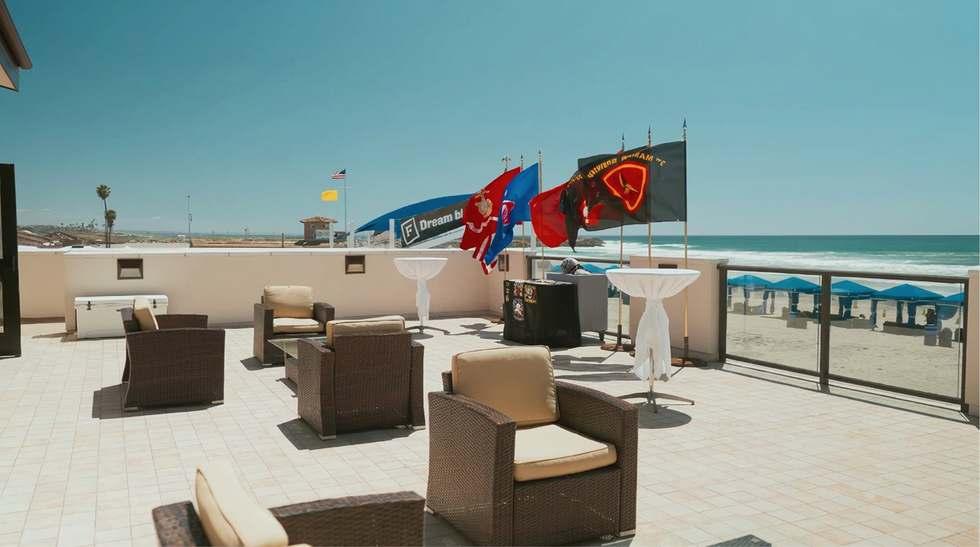
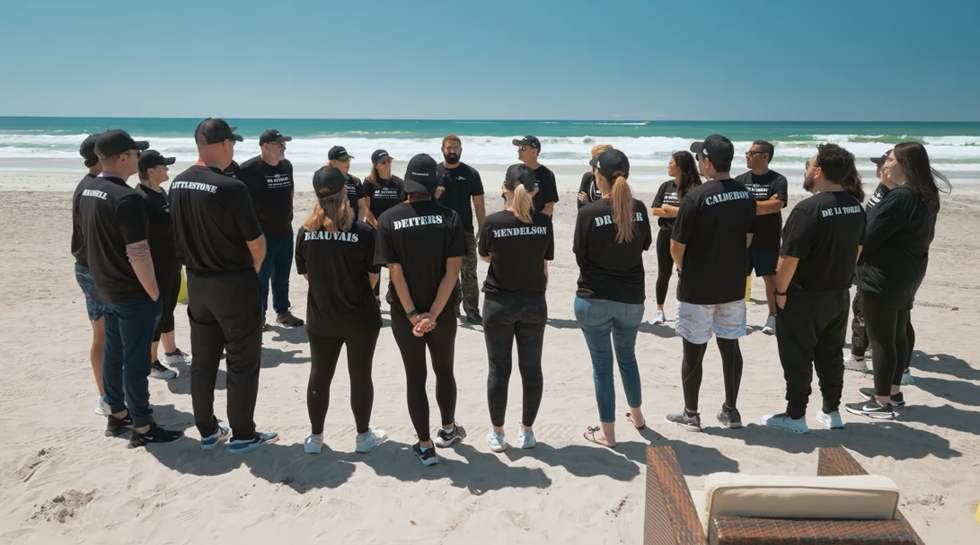
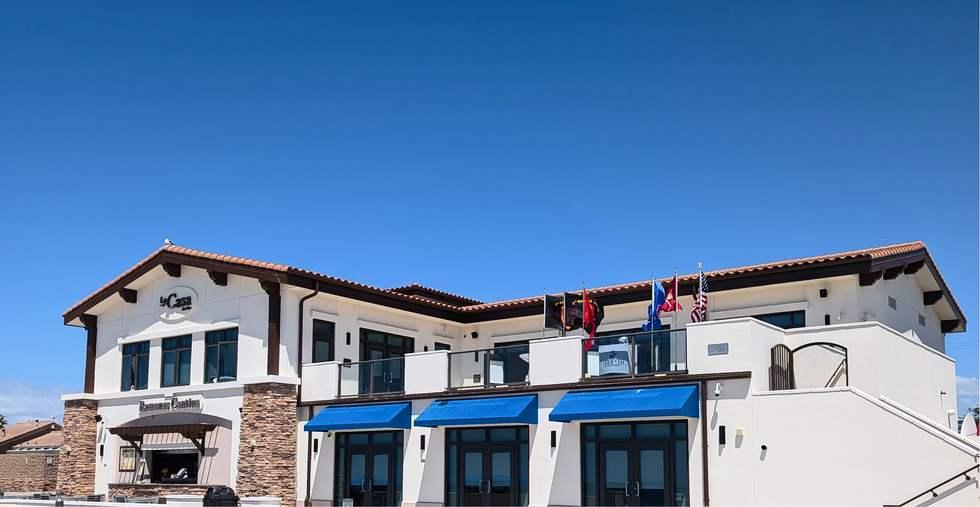
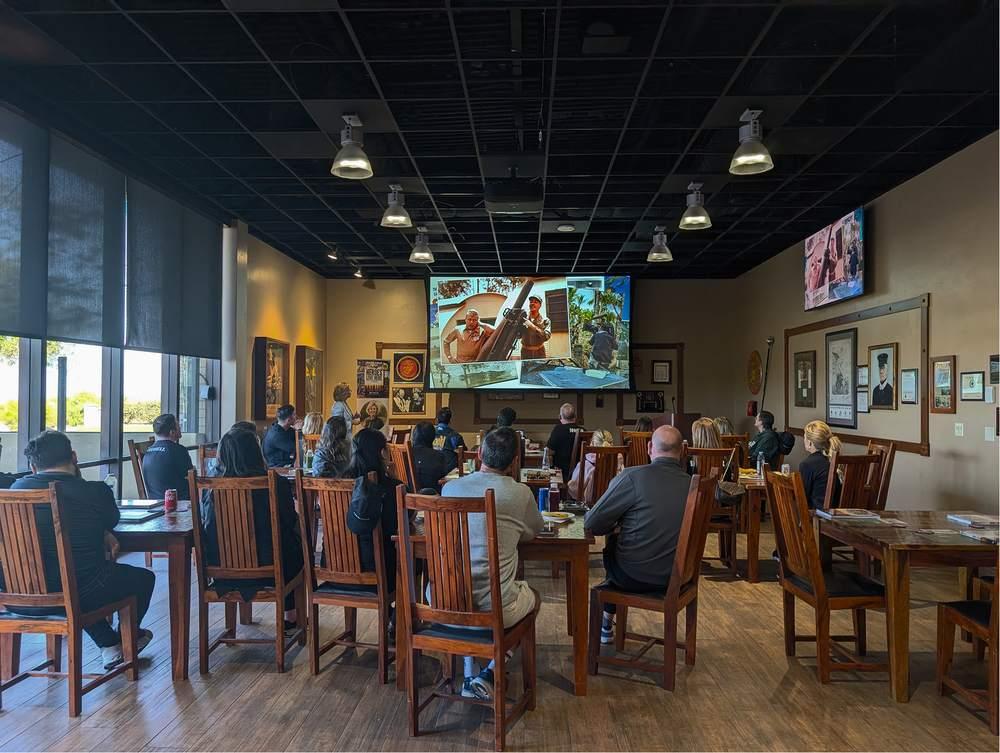
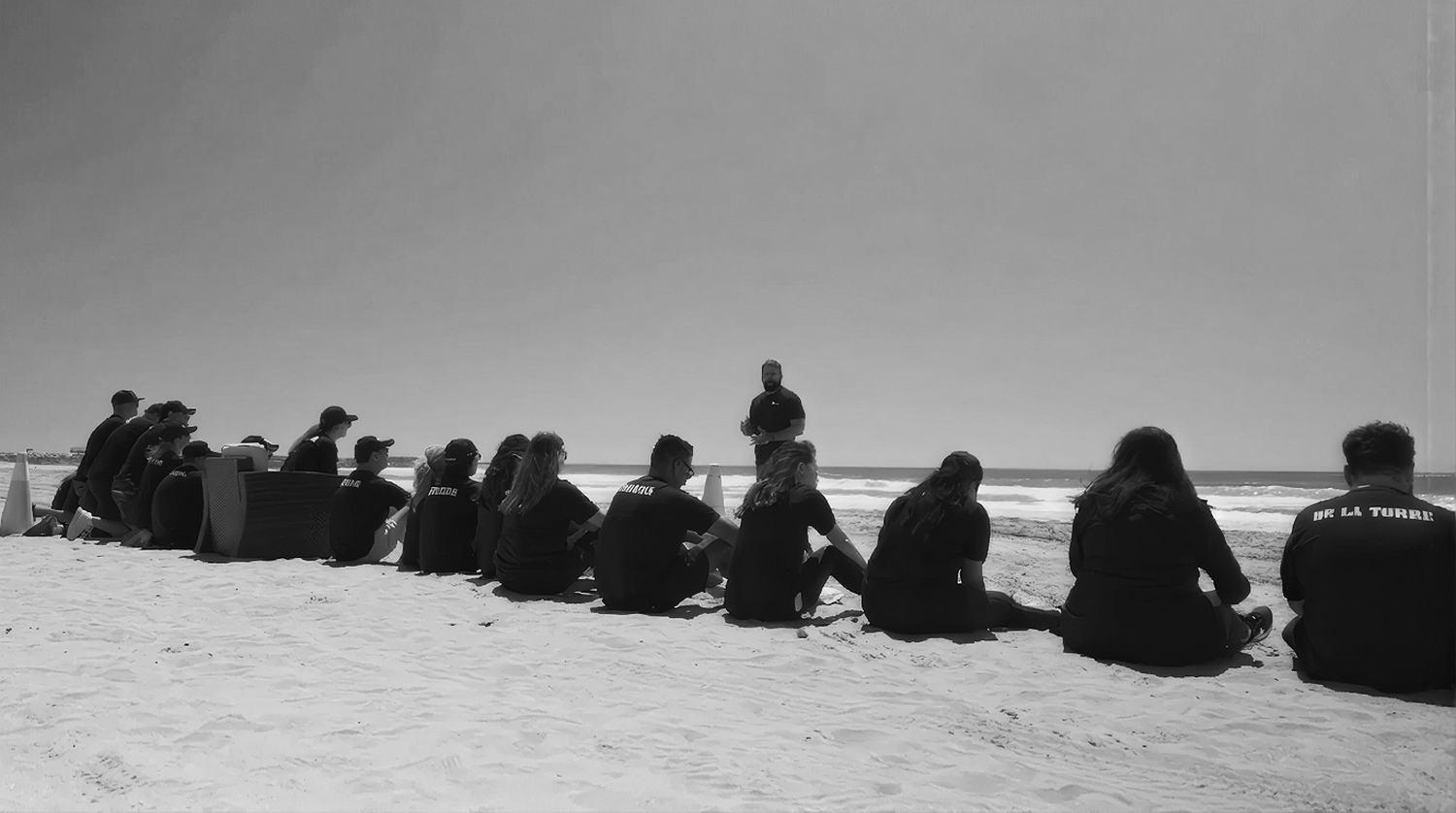
For a Southern California team looking for an organized day away from the office, Experience Camp Pendleton combines beach team building, local history and hospitality. The website identifies Prime Hall, a Marine Raider and water survival instructor, as the host who leads the beach work and keynote.
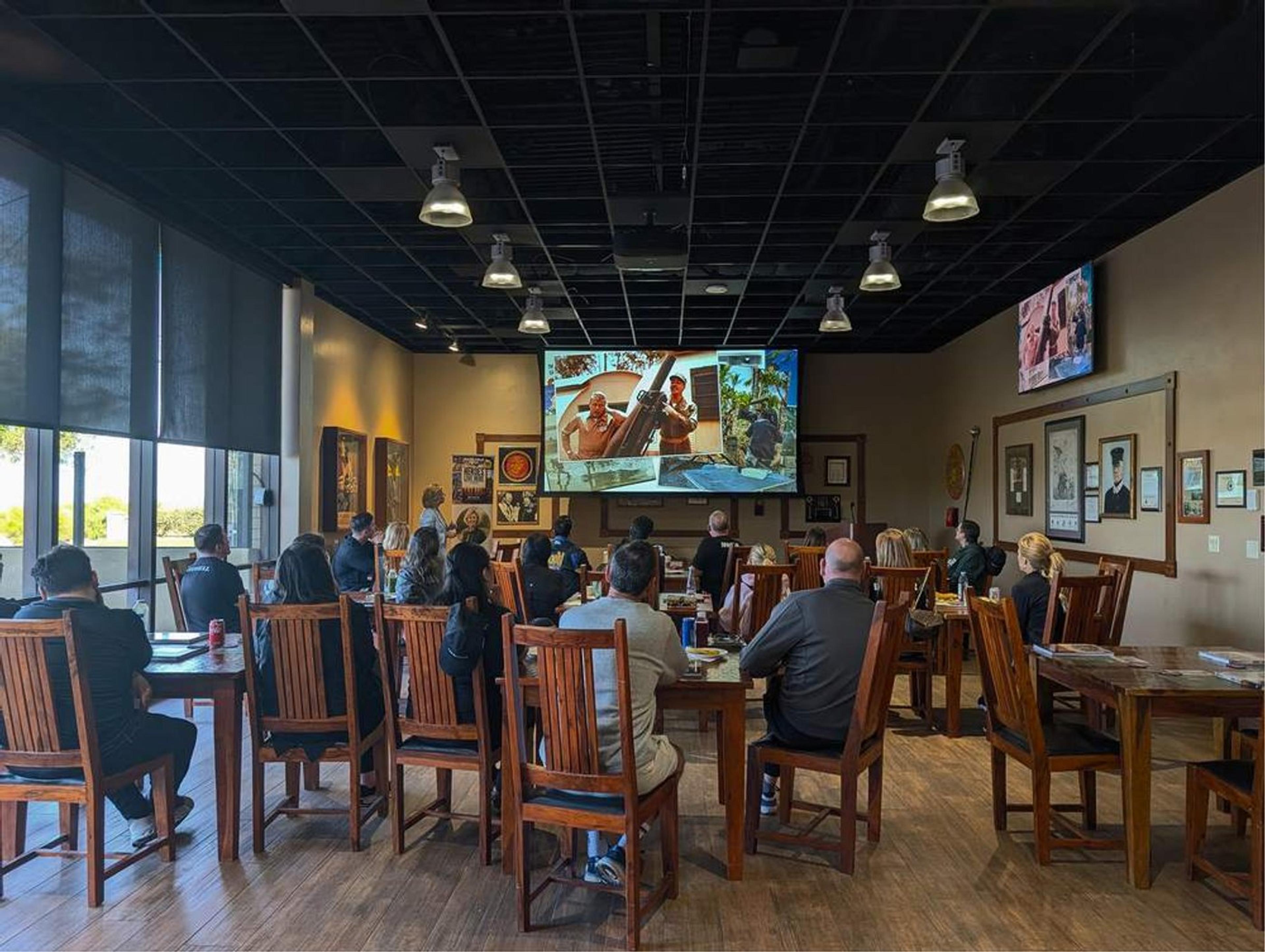
Beach team building is listed in the Semper Fi, Devil Dog and Leatherneck packages and as an option in Recruit. The site describes physical elements as optional and scaled to the group. Compare the packages, then discuss the session format, participation needs and desired outcome with the team.
Use the discovery call to establish what support is included, whether a facilitated reflection fits your plan and what access arrangements apply to your group. Agree on the details before confirming the event.
Planning a team day in Southern California?
Share your approximate group size and preferred month through our inquiry form. On the call, tell us what you want the team to get from the day so we can discuss a suitable format.
How will you know the session was useful?
Agree on a modest, observable outcome before the event. That might be choosing a handover checklist, helping colleagues from different offices meet or testing a clearer way to share information.
Afterward, ask participants what helped and what they would change. If the group made a work agreement, give someone responsibility for checking it at the next suitable team meeting. Enjoyment and attendance are useful feedback, but neither alone tells you whether a work habit changed.
Before you ask
Common questions
Can a manager be the team building facilitator?
Yes, if they have the preparation time and skills for the session. Consider whether their role will affect how openly colleagues contribute and whether they need to participate in the activity themselves. An outside facilitator may be useful when those roles are difficult to combine.
Is a facilitator the same as an event planner?
The roles can overlap. An event planner usually coordinates logistics and suppliers, while a facilitator guides the group's activity or discussion. Ask who handles each responsibility, especially when booking a venue, activity and facilitator separately.
Do we need professional facilitation for a small team?
Group size alone does not decide it. A small leadership team may need help with a complex conversation, while a larger group may simply want an informal social event. Start with the purpose, then consider the preparation and delivery work.
How do I find a team building facilitator near me?
Shortlist providers who serve your event location, then compare their approach, relevant experience and complete costs. Check where the facilitator travels from, whether travel is included and whether they know the proposed venue.
Can we combine DIY activities with professional support?
Yes. You could lead an opening discussion internally and use a provider for the main activity. Agree on handover times and responsibilities so the session feels connected and everyone knows who is leading each part.
Four packages
Bring your
team here.
Half a day to a full day, from a history session and lunch to both venues, beach team building and a reception on the deck.