
One-Day Leadership Offsite: Agenda, Format and Venue
Plan a one-day leadership offsite with a practical agenda, inclusive activities and venue guidance. Protect decision time and agree owners and next steps.

A one-day leadership offsite should produce one or two decisions routine meetings have not resolved. Protect working sessions, choose a relevant activity, and finish with owners and review dates. The venue needs suitable privacy, comfortable participation and manageable travel.
The agenda below is an adaptable planning example. It is not the published timetable of any Experience Camp Pendleton package. A hosted programme needs its own confirmed schedule, including transport and access coordination.
Quick answer
For a one-day leadership offsite, define a narrow outcome, send a short pre-read, and allocate most discussion time to evidence, trade-offs and decisions. Alternate working sessions with breaks, a meal and one useful shared activity. Choose a private venue for sensitive strategy or a hosted experience when collaboration is the main goal. Close with a decision log, named owners and a scheduled follow-up.
In this guide
- Defining the day's outcome
- A one-day leadership offsite agenda
- Activities that support the work
- Choosing a venue and programme
- Preparation, access and follow-through
Start with a decision, not a list of presentations
Make the purpose specific: “Agree first-quarter priorities and owners for two cross-functional dependencies,” rather than “Improve alignment.”
Invite people who can make or inform the decision. This example assumes 8–16 leaders, not a venue limit or universal offsite requirement.
Name a decision owner, facilitator, recorder and logistics lead. People can hold several roles, but someone must be free to notice when discussion drifts.
A one-day leadership offsite agenda
This 09:00–17:00 example contains 390 minutes of working discussion and shared activity, 45 minutes of breaks and a 45-minute lunch. Travel sits outside the eight-hour window. If transport must fit inside it, remove a block rather than shortening every conversation.
| Time | Session | Purpose | Output |
|---|---|---|---|
| 09:00–09:30 | Opening and decision rules | Agree what must be settled and how | Outcome, boundaries and decision owner |
| 09:30–10:45 | Evidence and priorities | Compare the pre-read and competing needs | Shortlist of priorities and open questions |
| 10:45–11:00 | Break | Pause without adding another session | A genuine break |
| 11:00–12:15 | Trade-offs and dependencies | Resolve tensions between functions | Choices, dependencies and unresolved issues |
| 12:15–13:00 | Lunch | Conversation and recovery | No mandatory presentation |
| 13:00–14:00 | Shared activity | Observe a relevant working pattern | Examples for the debrief |
| 14:00–14:15 | Break | Transition back to focused work | Time to reset |
| 14:15–15:15 | Debrief and operating agreements | Connect observations to work | Two or three specific agreements |
| 15:15–15:30 | Break | Protect attention before the close | A genuine break |
| 15:30–16:30 | Decisions and action planning | Make choices and assign ownership | Decision log and first actions |
| 16:30–17:00 | Confirm and close | Read back commitments and exceptions | Owners, dates and review meeting |
Clarify what the team can decide and what needs later approval. Record missing evidence and a deadline instead of manufacturing agreement to stay on schedule.
Four leadership offsite activities that support the agenda
Choose one activity, explain participation options and keep time for a debrief.
A tabletop decision exercise
Give groups a fictional operational problem. Ask what they would decide first, what is missing and who to consult. Compare reasoning as well as answers.

This meeting-room activity does not depend on athletic ability. Use confidential data only when the facilitation arrangement permits it.
A facilitated shared challenge
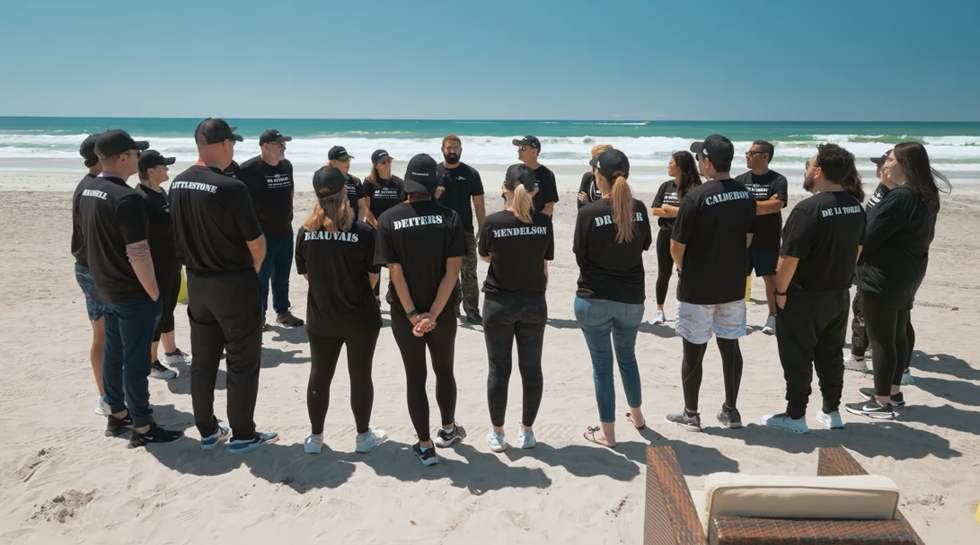
A hosted challenge can make communication and role changes visible. Ask how the facilitator provides meaningful participation beyond strength or speed and connects the debrief to work.
Use observations carefully: a colleague's behaviour in a novel challenge is not a performance appraisal. The useful question is what the team wants to practise at work.
A paired walk or seated conversation
Give pairs a question such as “Where does our handoff create avoidable work?” Reassemble to identify common issues. Offer an equivalent seated conversation.
Use this for reflection and relationship-building. Discuss sensitive personnel or commercial issues only in an appropriately private setting.
A speaker session with application time
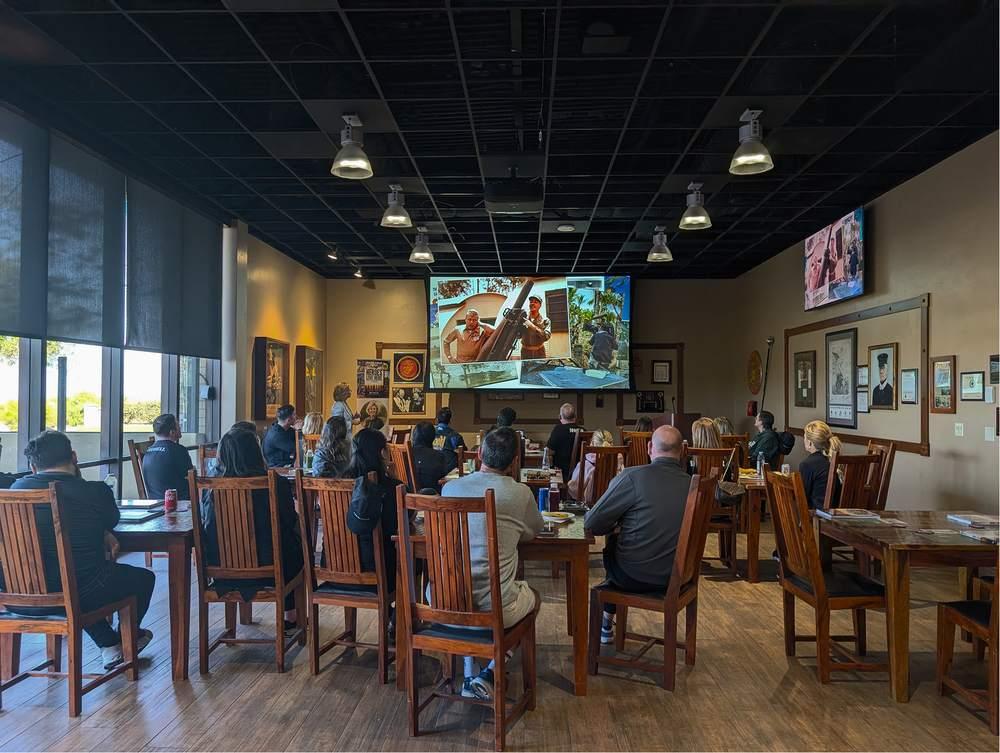
Brief the speaker on the objective and ask leaders for one idea to test. Protect time to turn the talk into an operating agreement; it does not replace the decision block.
The military-speaker guide explains formats and booking considerations for teams interested in that perspective.
Which venue fits a one-day leadership offsite?
A distinctive location can interrupt routine, but privacy, layout and reliable logistics must support the work.
| Venue format | Choose it when | Verify | Poor fit when |
|---|---|---|---|
| Private hotel meeting room | Most time is confidential strategy | Sound privacy, layout, A/V and catering | The team mainly wants a hosted shared experience |
| Conference or workshop venue | Breakouts and structured facilitation dominate | Usable rooms, materials and reset time | The location or activity is the main objective |
| Hosted Camp Pendleton programme | History, teamwork and hospitality matter | Package, access, work time and participation options | Uninterrupted closed-door strategy is essential |
| Outdoor setting plus private room | Reflection and working blocks both matter | Accessible route, weather alternative and transitions | There is no viable backup or private discussion space |
For a named regional shortlist, see executive retreat ideas and San Diego venues. For a broader activity search, use the San Diego team-building guide.
When does Experience Camp Pendleton fit?
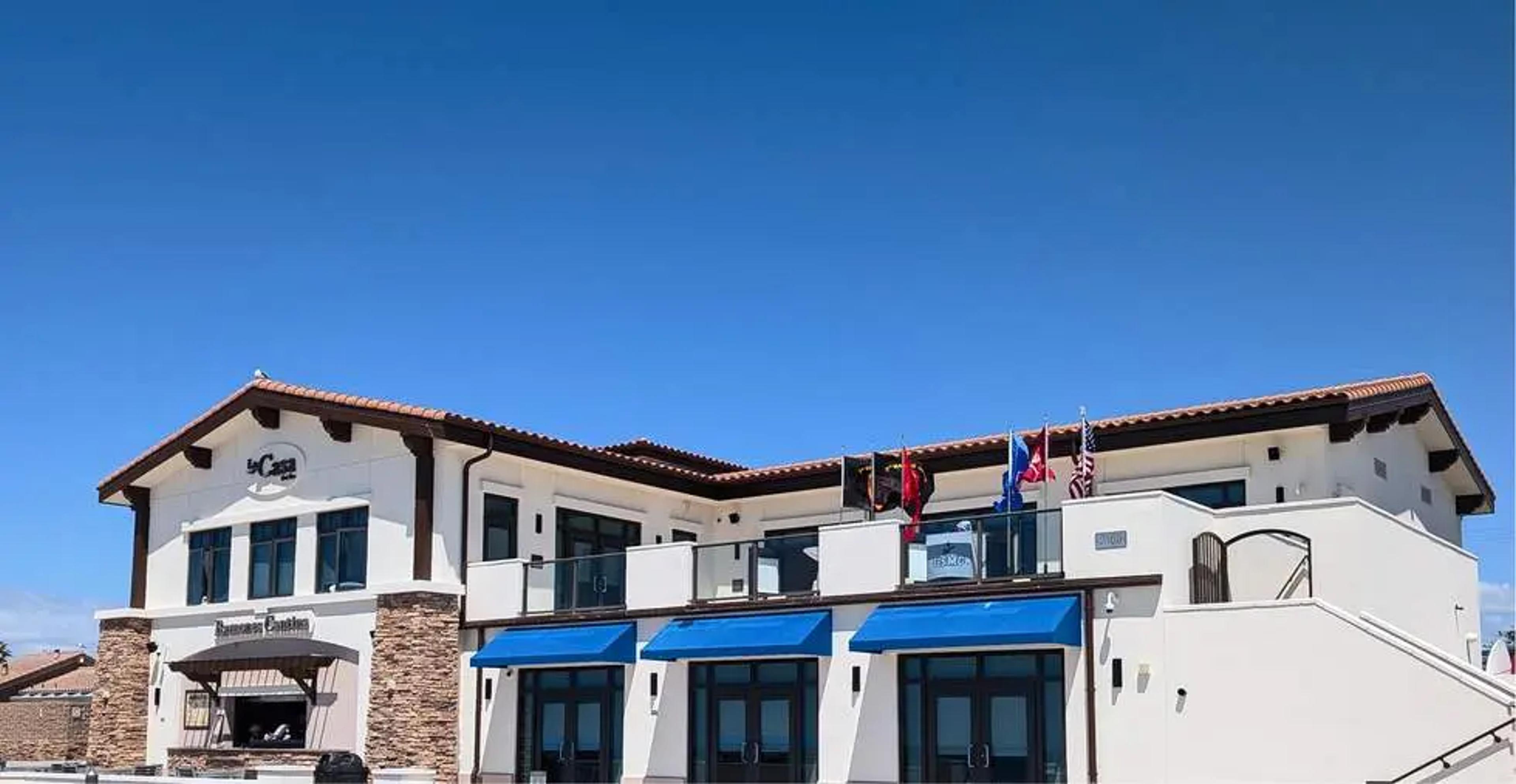
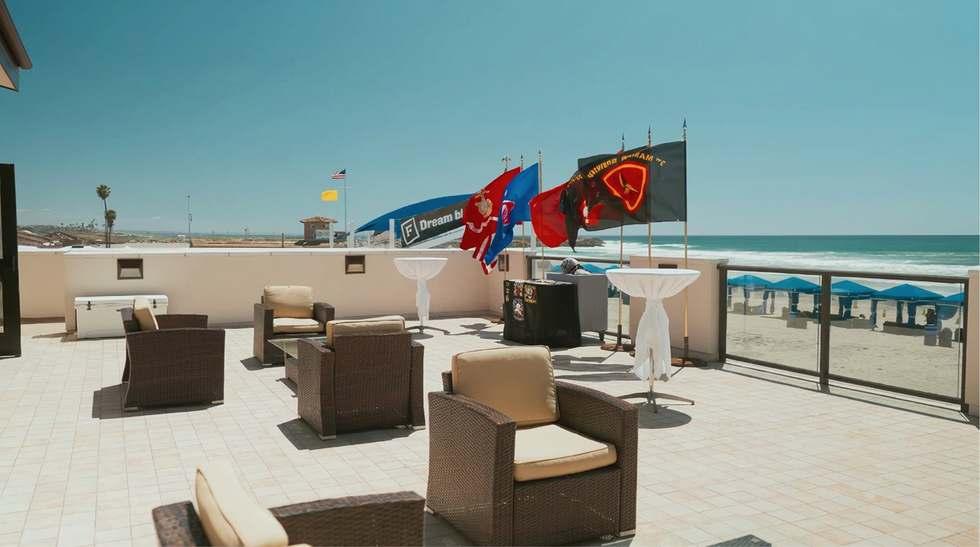
Experience Camp Pendleton is a fit when the leadership team wants a hosted day combining the installation's history, facilitated teamwork and hospitality. The client's package comparison lists three-, four-, five- and eight-hour formats. Physical parts are optional and scaled to the group, so the offer is not limited to military personnel or highly athletic teams.
The eight-hour Semper Fi programme offers the fullest combination of venues, beach teamwork, keynote and hospitality. Ask how your objective and private work time fit; do not insert the sample agenda into a package without confirmation.
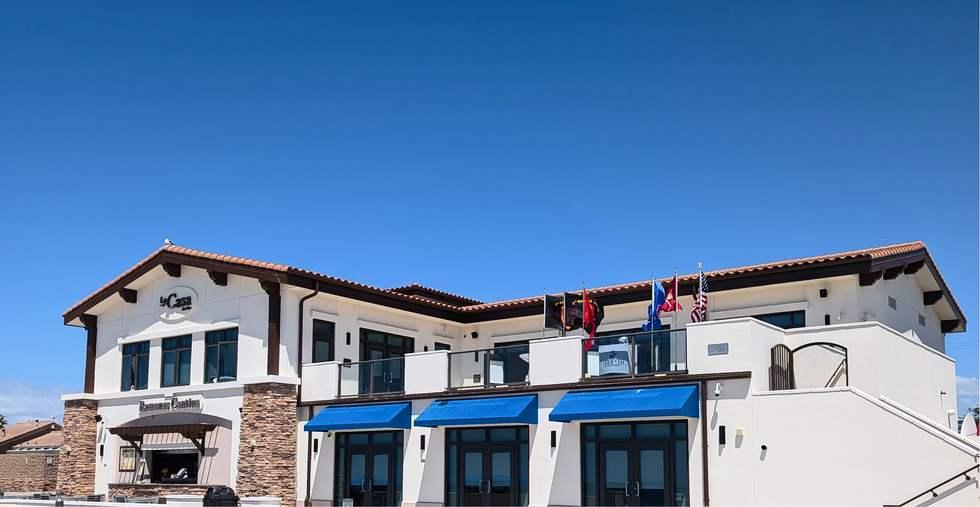
Published venue capacity cues include up to 100 at Iron Mike's and Pacifico, and up to 50 at La Marina. Confirm the selected room and layout for the actual group. Capacity alone does not establish privacy, boardroom configuration or availability.
A hotel meeting room may be the better choice if the day is primarily a confidential board discussion, or if a rapidly changing attendee list cannot meet access deadlines. Compare the current packages before requesting a programme proposal.
What should you prepare before the day?
Send a short pre-read with the decision question, evidence and constraints. Put routine updates there so the offsite avoids status presentations.
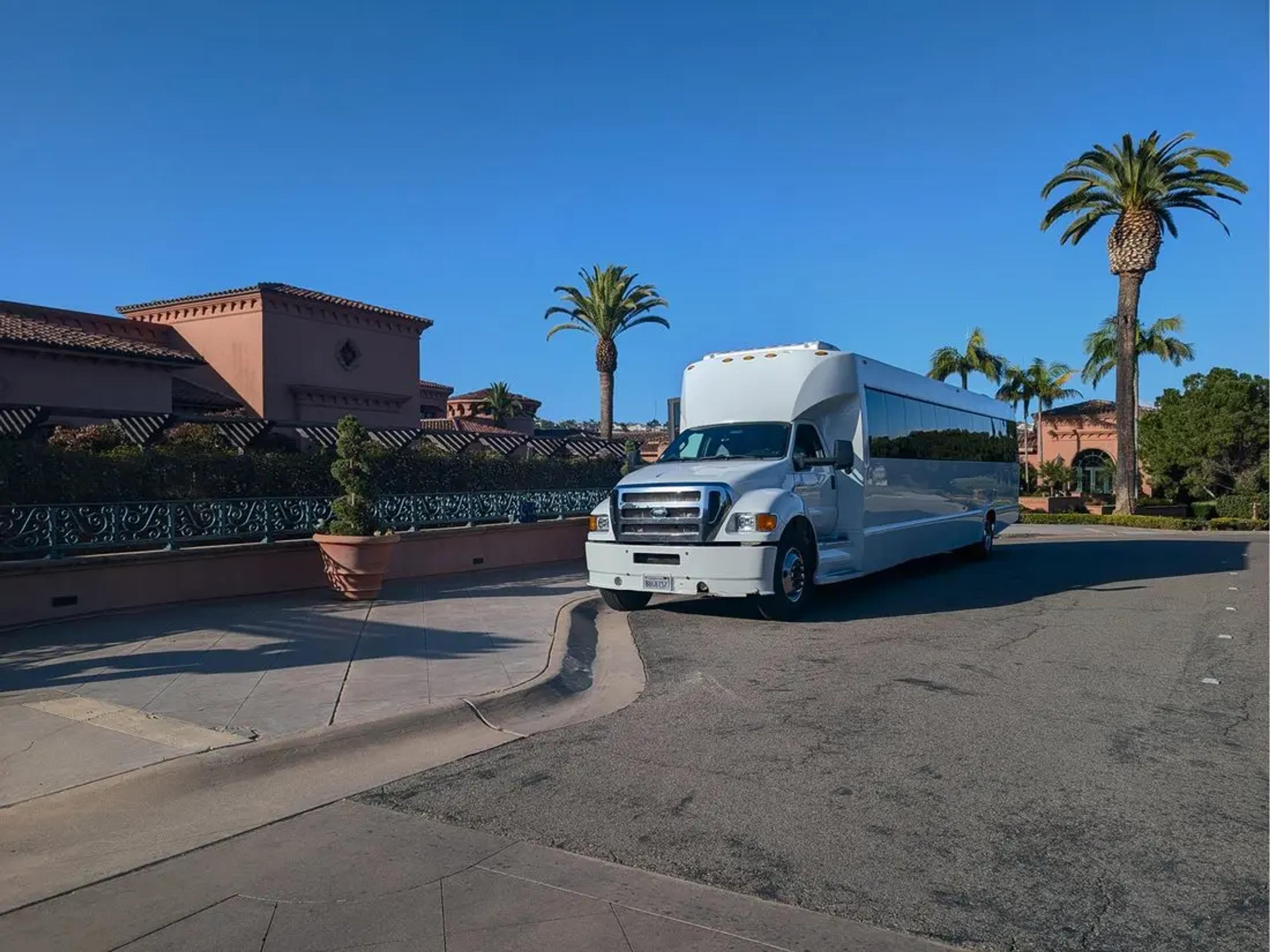
Agree arrival, departure and transfer arrangements before promising meeting times. For Camp Pendleton, name one roster owner, follow the coordinator's current submission process and read the base-access guide. Installation access is not guaranteed by an event booking.
- Confirm seating, routes, restrooms, dietary needs and activity alternatives privately.
- Check who provides A/V, Wi-Fi, materials, facilitation and on-site event management.
- Ask what happens if weather, a delayed vehicle or an access exception changes the day.
- Approve an all-in budget covering food, venue, programme, transport, production and fees.
- Reserve the follow-up meeting before participants leave.
Use the retreat cost guide to structure the budget, and the offsite planning playbook for the wider logistics sequence. For 2027 dates, obtain current proposals rather than treating 2026 ranges as future prices.
Close with commitments people can use

Read back decisions with owners, first actions, deadlines, dependencies and review dates. Give unresolved questions the same treatment.
Circulate the record through the company's controlled channel the next working day. At follow-up, check actions and changed assumptions. Event feedback does not establish whether business decisions were carried out.
If a hosted Camp Pendleton day suits the objective, request a discovery call. Share the group size, date range, participation needs and amount of private work time required so the proposal can address the real brief.
Programme note
Experience Camp Pendleton is a commercial service operated by Urban Kitchen Hospitality / Mid Coast Supply Inc. It is not affiliated with, endorsed by or sponsored by the United States Department of Defense, the United States Marine Corps or Marine Corps Community Services. Installation access and programme arrangements are subject to change.
Before you ask
Common questions
What is a leadership offsite?
A leadership offsite is a gathering away from routine work where leaders focus on decisions, strategy or how they work together. It should have a defined outcome rather than simply moving regular meetings to a new location.
Can a leadership offsite work in one day?
Yes, when the objective is narrow enough for the available time. Send essential evidence beforehand and protect decision and follow-through sessions. Use a longer format if travel or several substantial issues would overload the day.
What should a one-day leadership offsite agenda include?
Include an opening, evidence review, trade-offs, a meal, breaks, one relevant activity, a debrief and a decision-and-action close. Keep travel and venue transitions visible rather than treating them as free time.
Which leadership offsite activities are suitable for mixed-fitness teams?
Tabletop exercises, facilitated collaboration, paired conversations and speaker discussions can offer several ways to contribute. For physical activities, confirm optional participation, meaningful alternative roles and specific accommodation needs with the facilitator.
Do we need an external facilitator?
Not always. An internal facilitator can work when they can remain impartial and manage the conversation. Consider external support when the sponsor needs to participate fully, the discussion is sensitive or the team repeatedly avoids difficult trade-offs.
Can we use this agenda for Experience Camp Pendleton?
Use it to explain the desired outcome, not as an assumed package timetable. The coordinator must confirm how working sessions, hosted activities, hospitality, transport and controlled access fit the selected programme.
How do we know whether the offsite was useful?
Check whether the team made the intended decisions, assigned owners and completed the first actions by the review date. Participant feedback can assess the experience, but follow-through is needed to assess whether the work progressed.
Written by
Rene Diaz
President
Four packages
Bring your
team here.
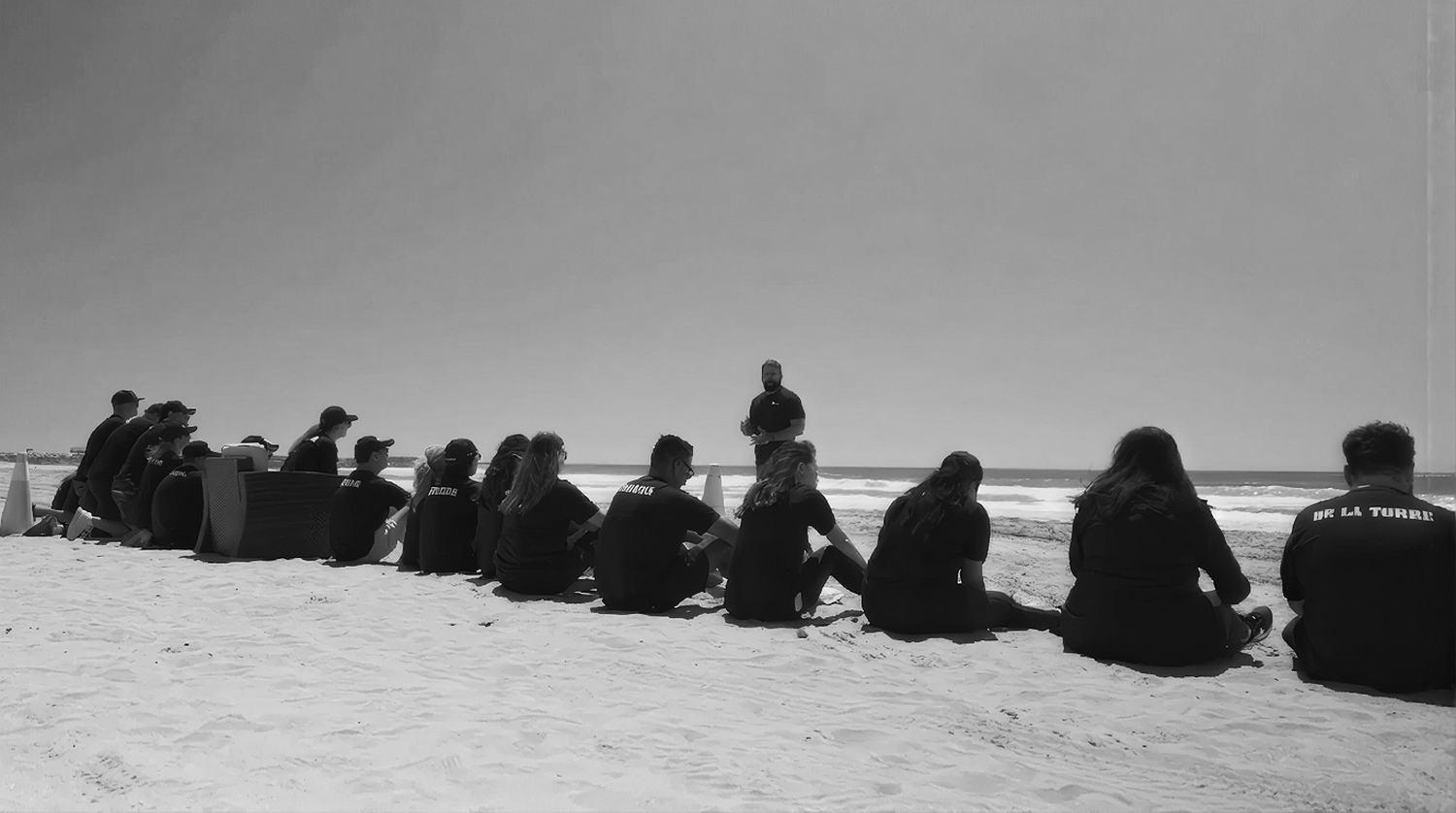
Half a day to a full day, from a history session and lunch to both venues, beach team building and a reception on the deck.