
12 One-Day Company Retreat Ideas for 2026 (With Real Costs)
Compare 12 one-day company retreat ideas by cost, group size and purpose, with a realistic budget framework and an agenda that fits into one working day.
A company retreat does not need flights, hotel rooms or three days away from work to matter. One well-designed day can give a team time to make decisions, work together in a new setting and reconnect without turning the event into a travel operation.
The useful question is not simply what to do. It is what the day needs to achieve, what the complete experience will cost and whether every participant has a meaningful way to take part.
Quick answer: For a local US one-day company retreat in 2026, plan roughly $100–$200 per person for a lean day, $200–$500 for a standard facilitated retreat and $500–$800+ for a premium or logistically complex experience. These planning bands exclude salaries, flights and overnight accommodation.
Table of contents
- How much does a one-day company retreat cost in 2026?
- The 12 best one-day company retreat ideas
- A one-day company retreat agenda that does not feel rushed
- A practical planning sequence for a one-day retreat
- How to choose the right company retreat idea
- One day inside Camp Pendleton
Use this guide in three passes: establish an all-in budget, shortlist the formats that fit your headcount and outcome, then build the agenda and access plan around the chosen experience.
How much does a one-day company retreat cost in 2026?
The activity price is rarely the retreat price. A $60 workshop can become a $220-per-person day after meeting space, lunch, transport, A/V, service charges and contingency are included.
Use these US planning bands before requesting proposals:
- Lean local day — $100–$200 per person. Think company space or a low-cost venue, simple catering and one facilitated activity.
- Standard facilitated day — $200–$500 per person. This usually adds a private venue, full-day food and beverage, professional facilitation and local transport.
- Premium or complex day — $500–$800+ per person. Exclusive locations, higher-touch hospitality, production, multiple facilitators or unusual access push the budget into this range.
These are budgeting ranges, not vendor quotes. Date, city, headcount, venue minimums and service charges can move the total sharply.
| Retreat level | Useful planning band | Usually includes | Usually excludes |
|---|---|---|---|
| Lean local day | $100–$200 per person | Existing or modest space, simple food, one activity | Private buyout, extensive transport, production |
| Standard facilitated day | $200–$500 per person | Private space, meals, facilitation, local transport | Flights, hotels, elaborate staging |
| Premium or complex day | $500–$800+ per person | Distinctive venue, high-touch hospitality, multiple specialists | Overnight travel unless quoted separately |
| Fly-in or overnight retreat | Budget separately | Lodging, additional meals, transfers, evening programme | Employee time unless finance includes it |
Do not select the top of the range merely because leadership wants the day to feel important. Importance comes from the outcome, the quality of the facilitation and whether the programme fits the team. A simpler day with a decisive working block and generous hospitality can outperform an expensive itinerary that never gives people time to think.
The six lines every retreat budget needs
- Venue or meeting space: $0–$200+ per person.
- Food and beverage: $50–$150+ per person.
- Activity and facilitation: $40–$150+ per person.
- Local transport and parking: $0–$75+ per person.
- A/V, materials and production: $10–$75+ per person.
- Contingency: add about 10% after taxes and service charges.
Compare proposals using the all-in cost divided by the confirmed headcount. That exposes fixed venue and facilitator fees that look inexpensive until a smaller group has to carry them.
The 12 best one-day company retreat ideas
Use the table to build a shortlist before reading the detailed options. “Best for” is more useful than “most exciting”: the right format should make the desired behavior easier during the day.
| Retreat idea | Best for | Typical group | Planning band | Operational lift |
|---|---|---|---|---|
| Experience Camp Pendleton | Memorable shared day | Up to 50 or 100 | Custom quote | High |
| Strategy workshop + experience | Decision and connection | 12–60 | $175–$400 | Medium |
| City scavenger hunt | Cross-team interaction | 15–150 | $100–$250 | Medium |
| Facilitated outdoor challenges | Active problem-solving | 20–150+ | $150–$350 | High |
| Cooking challenge | Hands-on indoor collaboration | 8–60 | $150–$300 | Medium |
| Volunteer service day | Purpose and visible output | 10–200+ | $75–$200 | Medium–high |
| Wellness and recovery day | Recovery after intense work | 10–100 | $125–$300 | Medium |
| Museum or cultural venue | Weather-proof curiosity | 10–100+ | $100–$300 | Medium |
| Sailing and debrief | Small-team communication | 6–30 | $250–$500+ | High |
| Maker or build day | Iteration and trade-offs | 12–100 | $125–$300 | Medium |
| Leadership planning retreat | Senior decisions | 6–20 | $250–$600+ | Medium |
| Office reset | Useful day on a low budget | Flexible | $50–$150 | Low–medium |
1. A full team day at Experience Camp Pendleton
Best for: a company that wants the day itself to feel significant.
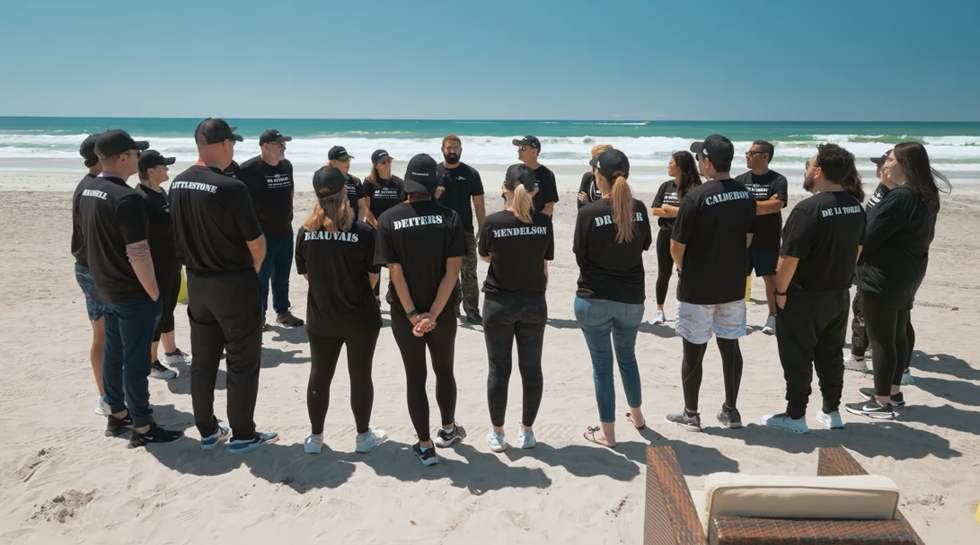
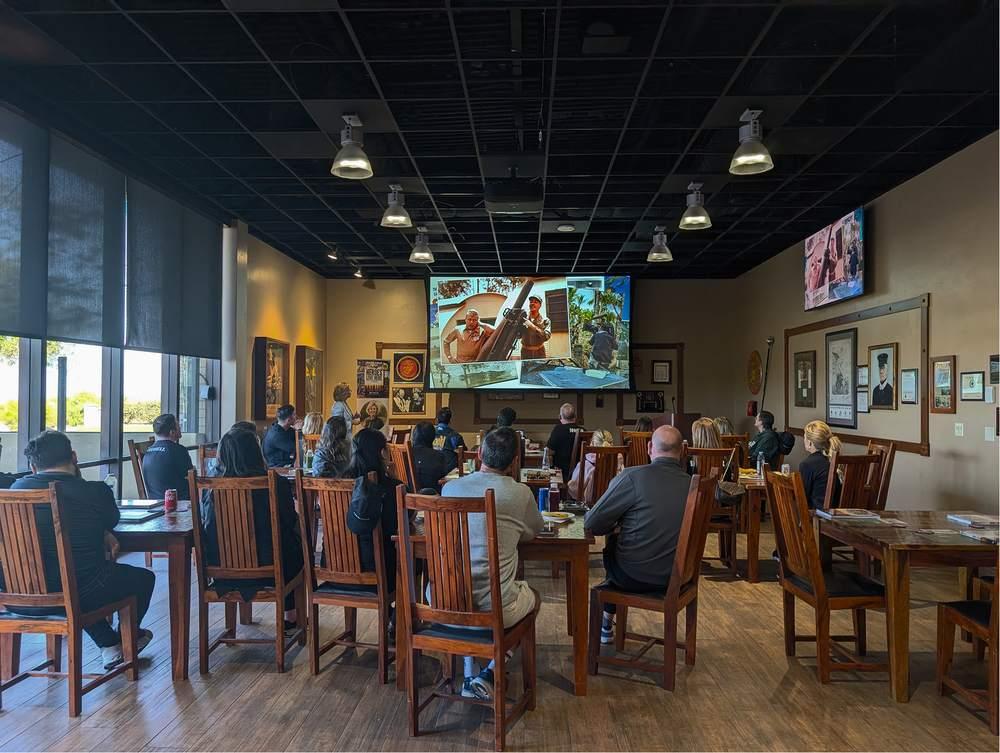
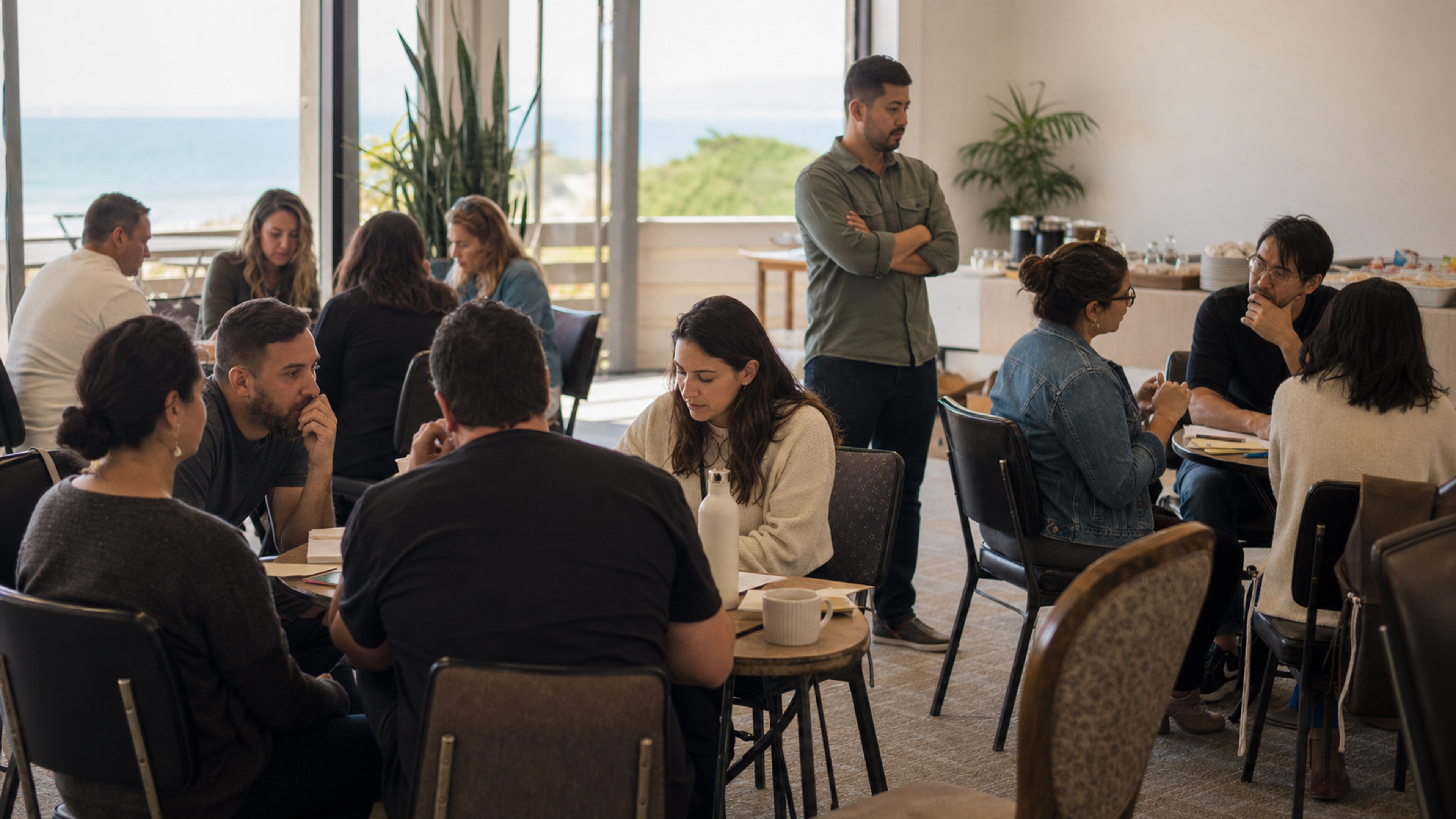
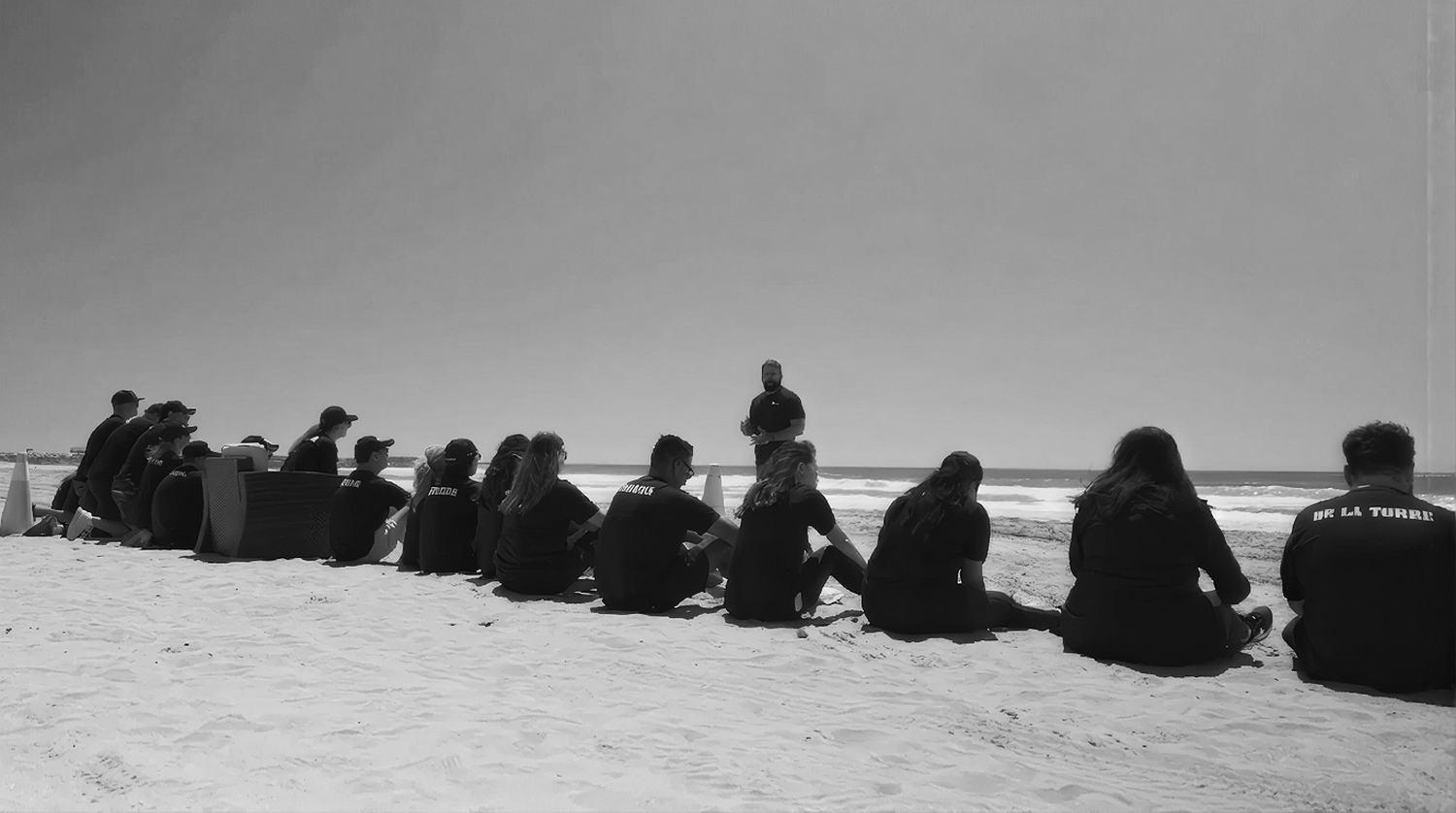
Experience Camp Pendleton combines advance-arranged access to an active installation with the history of Camp Pendleton, facilitated team work, hospitality and, on longer programmes, time on the beach. The Semper Fi package is the complete eight-hour version; shorter three-, four- and five-hour formats are also available.
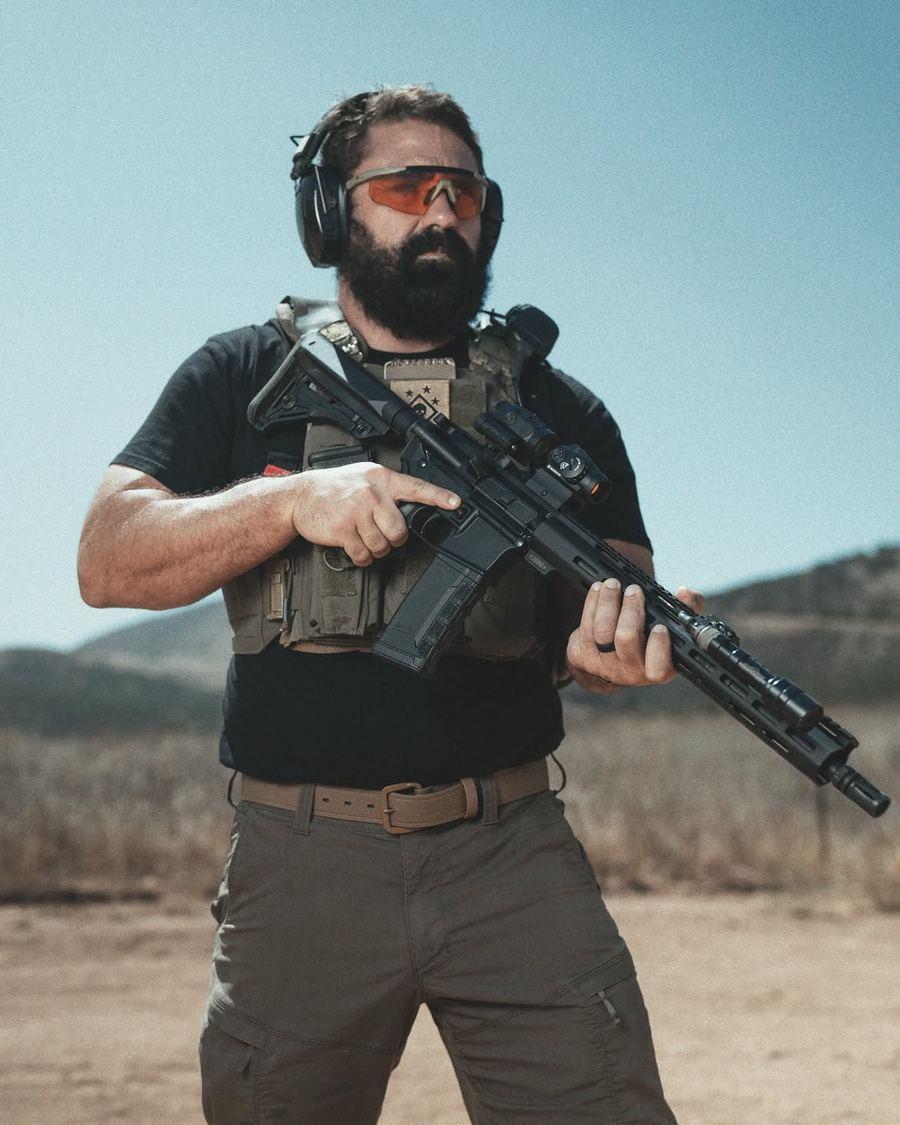
Prime Hall, a former Marine Raider and water-survival instructor, leads the beach work and keynote. The exercises are scaled, physical participation is optional and non-physical roles can be designed into the programme. Depending on the package, capacity runs to 50 or 100 guests.
- Planning cost: custom quote. Until a proposal is issued, carry it in the premium full-day band and replace that placeholder with proposal total divided by confirmed headcount.
- Time: three to eight hours, depending on package.
- Planning level: high. Rosters, identification, transport and installation access are coordinated in advance.
- Best outcome: a memorable shared experience across departments or leadership levels.
This is not a public walk-in visit or an official Marine Corps programme. Experience Camp Pendleton is a commercial service, and installation access remains controlled by the installation.
2. A strategy workshop followed by a hosted team experience
Best for: teams that need a real work output and time together.
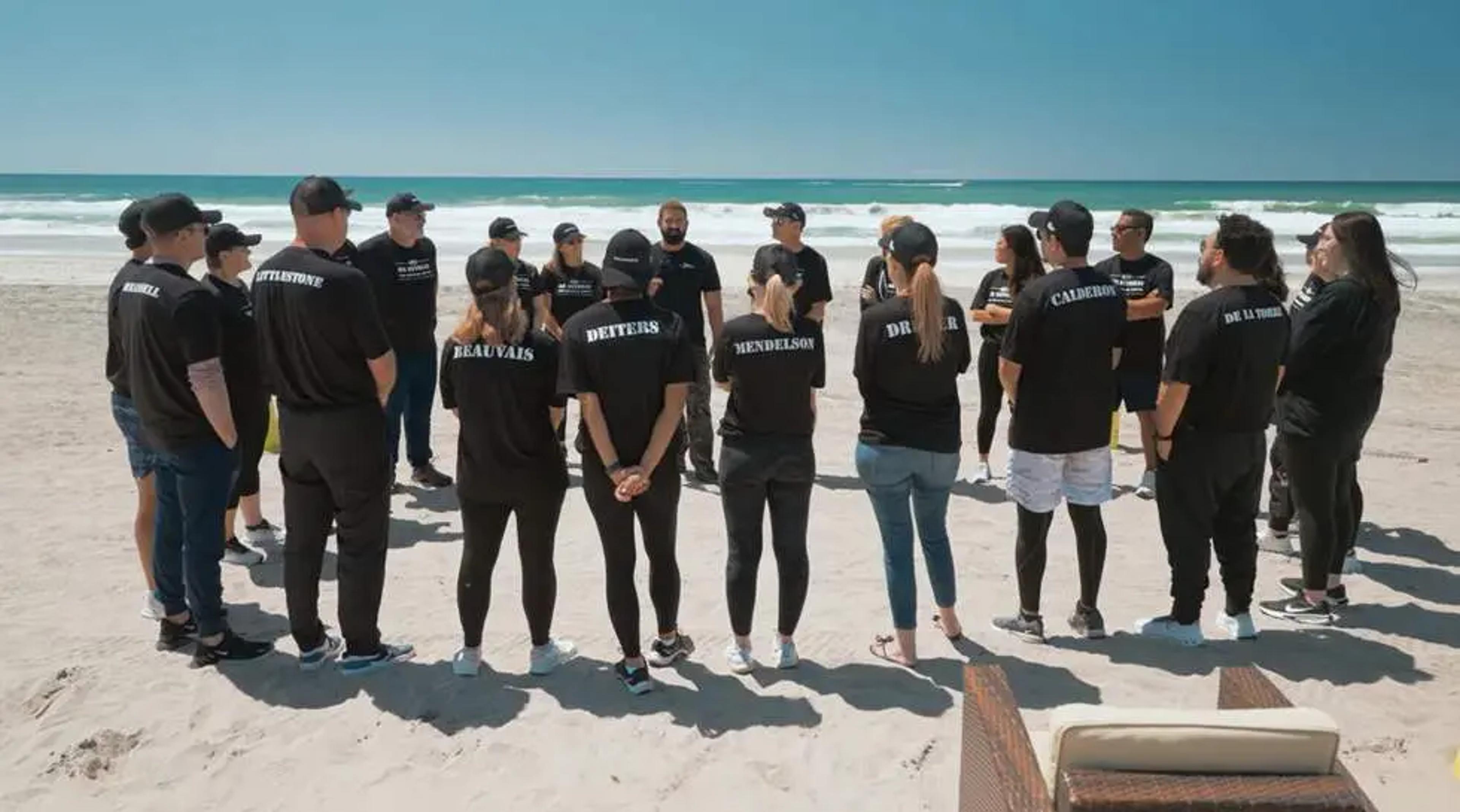
Use the morning for one decision that matters, then change the pace after lunch. A facilitated cooking session, design challenge or city experience gives people a different way to work together without pretending that the morning meeting was team building.
- Planning cost: $175–$400 per person.
- Time: seven to eight hours.
- Group fit: 12–60, depending on the afternoon venue.
- Watch for: an agenda with six “priorities.” One decision is enough for one day.
3. A city scavenger hunt with a private lunch
Best for: social, mobile teams that need cross-department interaction.
Teams navigate a compact route, solve observation and logic prompts, then finish together over lunch. The format works when scoring rewards communication and creativity—not simply who walks fastest.
- Planning cost: $100–$250 per person.
- Time: five to seven hours including lunch and debrief.
- Group fit: 15–150, divided into teams.
- Watch for: weather, crossings, mobility, sensory needs and a route that is too long.
4. A facilitated outdoor challenge day
Best for: medium and large groups that want active problem-solving.
Use a beach, park or private outdoor venue for parallel stations. Each challenge should have several useful roles: planning, observing, building, timing and communicating. Athletic ability should never be the only way to contribute.
- Planning cost: $150–$350 per person.
- Time: six to eight hours with meals and breaks.
- Group fit: 20–150+ with enough stations and facilitators.
- Watch for: shade, water, restrooms, permits, wind and a genuine weather alternative.
5. A corporate cooking challenge
Best for: mixed-ability teams that want hands-on collaboration indoors.
Cooking creates natural roles around preparation, timing, presentation and service. The team also gets an unhurried meal at the end, which is often where the best conversations happen.
- Planning cost: $150–$300 per person.
- Time: four to six hours.
- Group fit: 8–60, depending on kitchen capacity.
- Watch for: allergens, alcohol, knife work and participants who prefer a non-cooking role.
6. A volunteer service day
Best for: purpose-led teams that want a tangible output.
Start with a nonprofit's real need, then design the work around it. Food sorting, care-kit assembly, habitat work and skilled volunteering can all create meaningful operational roles.
- Planning cost: $75–$200 per person, including materials, transport and meals.
- Time: five to eight hours.
- Group fit: 10–200+ if the partner can use the capacity.
- Watch for: building a photogenic project the nonprofit did not request.
7. A wellness and recovery day
Best for: teams coming out of a demanding period.
Combine light movement, a practical session on recovery or attention, quiet time and a shared meal. Make every block optional and avoid turning wellness into another performance target.
- Planning cost: $125–$300 per person.
- Time: five to seven hours.
- Group fit: 10–100.
- Watch for: compulsory personal disclosure and activities that assume the same body, health or comfort level.
8. A museum or cultural venue day
Best for: curious teams and weather-proof planning.
Use a private room for a short working session, then give small groups observation or interpretation prompts in the venue. A host-led conversation brings the group back together without converting the visit into a worksheet.
- Planning cost: $100–$300 per person.
- Time: five to seven hours.
- Group fit: 10–100+, depending on venue rules.
- Watch for: public opening hours, gallery capacity and accessible routes.
9. Sailing with a waterfront debrief
Best for: small leadership teams working on communication.
On a structured sailing session, participants rotate through crew roles while qualified staff remain responsible for the vessel. Follow the water time with a private lunch or debrief nearby.
- Planning cost: $250–$500+ per person.
- Time: six to eight hours.
- Group fit: 6–30; larger groups may require several boats.
- Watch for: weather, sea sickness, footwear, transfers and accessibility.
10. A creative build or maker day
Best for: product, design and cross-functional teams.
Give each group the same practical brief, materials and deadline. They might build a prototype, physical installation or useful object, then test and present it. The value comes from making tradeoffs together.
- Planning cost: $125–$300 per person.
- Time: five to eight hours.
- Group fit: 12–100.
- Watch for: judging only the polished result instead of the quality of the team's process.
11. A leadership planning retreat
Best for: boards and senior teams with a decision to make.
This is the least theatrical option and often the most valuable. Use an external facilitator, a private setting, a pre-read and a written decision log. Add a good meal and a short walk instead of filling the agenda with activities.
- Planning cost: $250–$600+ per person.
- Time: seven to nine hours.
- Group fit: 6–20.
- Watch for: turning the retreat into an ordinary meeting in a nicer room.
12. A low-cost office reset with external facilitation
Best for: teams with a limited budget and a useful company space.
Keep the venue you already pay for, but change how the day works. Bring in a facilitator, provide better food than an ordinary workday and create two or three protected blocks: the decision, the shared activity and the closing conversation.
- Planning cost: $50–$150 per person.
- Time: five to seven hours.
- Group fit: almost any size if the room and facilitation plan scale.
- Watch for: email, desk work and leaders disappearing between sessions.
A one-day company retreat agenda that does not feel rushed
The strongest agenda has one clear arc rather than a string of attractions.
- 8:30–9:00 — arrival, coffee and context.
- 9:00–10:30 — the one decision or working session that needs everyone present.
- 10:30–10:45 — break.
- 10:45–12:00 — small-group work or guided discussion.
- 12:00–1:00 — lunch without presentations.
- 1:00–3:30 — the primary shared experience.
- 3:30–4:00 — break, change or transfer.
- 4:00–4:45 — debrief and commitments.
- 4:45 onward — reception, informal conversation or departure.
Protect the breaks. People need enough unscheduled time to speak with colleagues outside their assigned group.
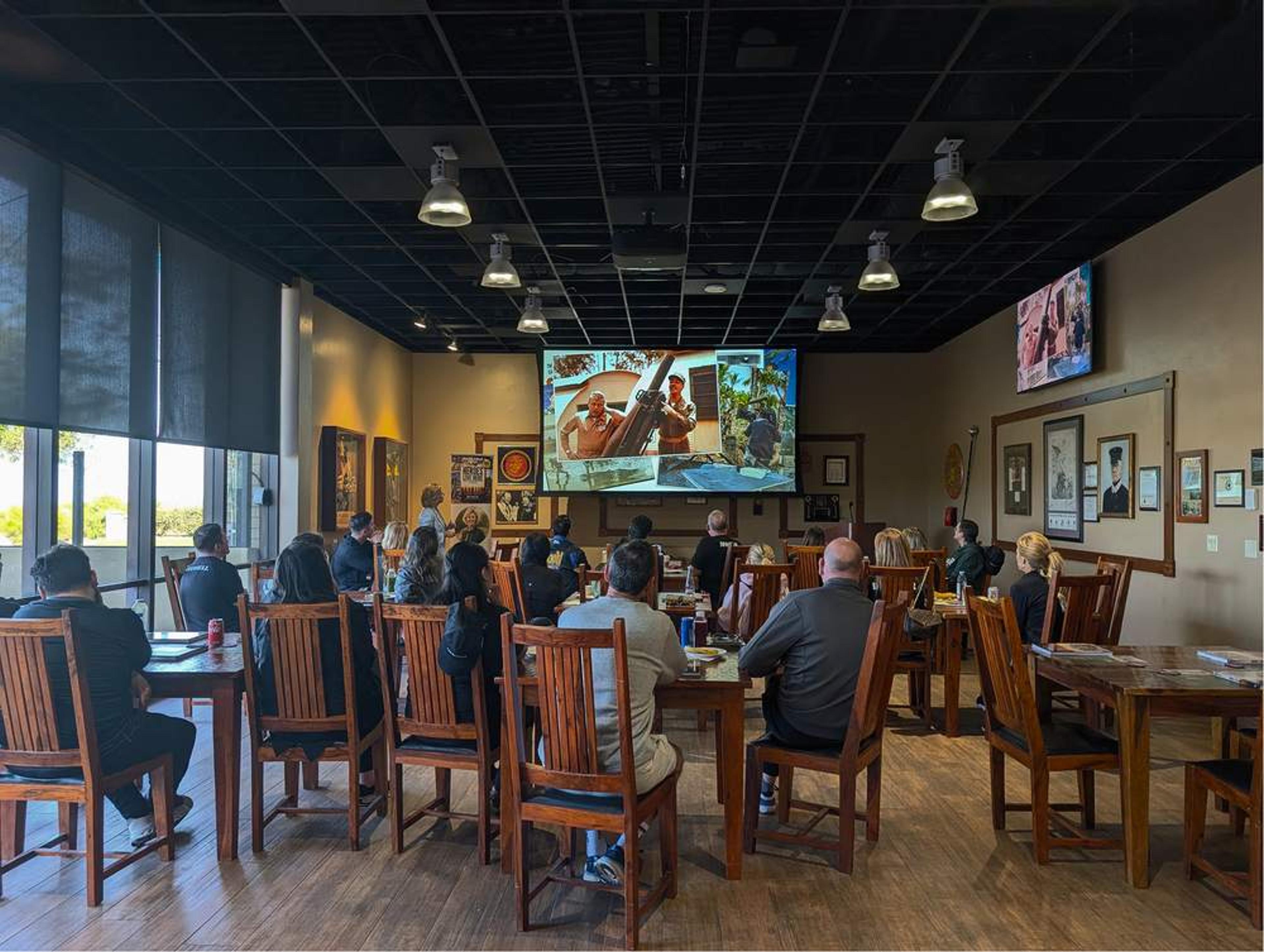
The agenda should also reveal the true capacity of the day. If the morning decision regularly takes three hours, do not schedule a 45-minute transfer and a three-hour activity before a fixed 5 p.m. coach departure. Either narrow the decision, shorten the activity or choose a venue where the two can happen without a transfer.
A practical planning sequence for a one-day retreat
The work becomes easier when uncertainty is removed in the right order. Dates, budget and purpose come before menus and activity details.
| Timing | Decision to finish | Evidence it is finished |
|---|---|---|
| 8–10 weeks out | Outcome, sponsor, budget ceiling, likely headcount | One-page brief approved |
| 6–8 weeks out | Venue, format, transport and core supplier | Complete scope on contract or in final review |
| 4 weeks out | Agenda, facilitation, meal format and participant-needs process | Run of show version one |
| 2 weeks out | Guaranteed count, access roster, dietary and mobility actions | Operational lists reconciled |
| Final week | Supplier reconfirmation, attendee brief and contingencies | No unowned critical item |
| Within 48 hours after | Decisions, thanks and next actions | Owners and dates sent to participants |
For example, imagine a 45-person product and sales team that wants fewer handoff failures. The morning outcome is not “better collaboration”; it is three agreed handoff rules and an owner for each. The afternoon experience should then reinforce role clarity, communication and adjustment—not introduce an unrelated competition. The close records the rules while the shared experience gives people a better relationship in which to use them.
Another company may be recognizing a difficult year rather than solving a process problem. In that case, a long strategy workshop would weaken the message. The day should protect hospitality, specific recognition and employee choice. The same retreat format is not correct for both groups, even if the headcount and budget are identical.
How to choose the right company retreat idea
Name one outcome
“Team building” is too broad. Decide whether the day is for a strategic decision, reconnection, recognition, communication practice or recovery.
Design for the whole team
Ask about mobility, sensory needs, dietary requirements, injuries, water confidence and religious or personal constraints before selecting the format. A meaningful alternative is part of the original design.
Count every hour
A two-hour activity can consume half a day after transport, briefing, waivers, changing and regrouping. Put the complete journey on the agenda.
Compare complete proposals
Ask each vendor to state what is included, what is optional, taxes and service charges, transport assumptions, cancellation terms and the minimum guaranteed headcount.
Plan the follow-through
Capture decisions, assign owners and send a short recap. If the purpose was connection or recognition, ask a small number of useful questions rather than forcing an ROI claim the event cannot prove.
Still comparing formats? Start with the best team building activities in San Diego, use the outdoor team-building guide for open-air options, or use the large-group guide when the guest list reaches 50 or more.
One day inside Camp Pendleton
For companies that want the retreat to feel distinct from an ordinary venue day, Experience Camp Pendleton offers three- to eight-hour programmes for groups up to 50 or 100, depending on the package. Compare the four packages, then start the conversation early enough to coordinate the roster, identification and group transport.
| Package | Duration | Core shape | A useful fit |
|---|---|---|---|
| Recruit | 3 hours | History-led hosted visit; La Marina included, other elements optional | Short executive or client programme |
| Leatherneck | 4 hours | History, beach access and facilitated beach teamwork | Focused half-day team experience |
| Devil Dog | 5 hours | Beach teamwork plus an essentials lunch | Team experience with unhurried hospitality |
| Semper Fi | 8 hours | Two venues, history, beach teamwork, lunch, keynote and reception | Full company retreat where the day is the event |
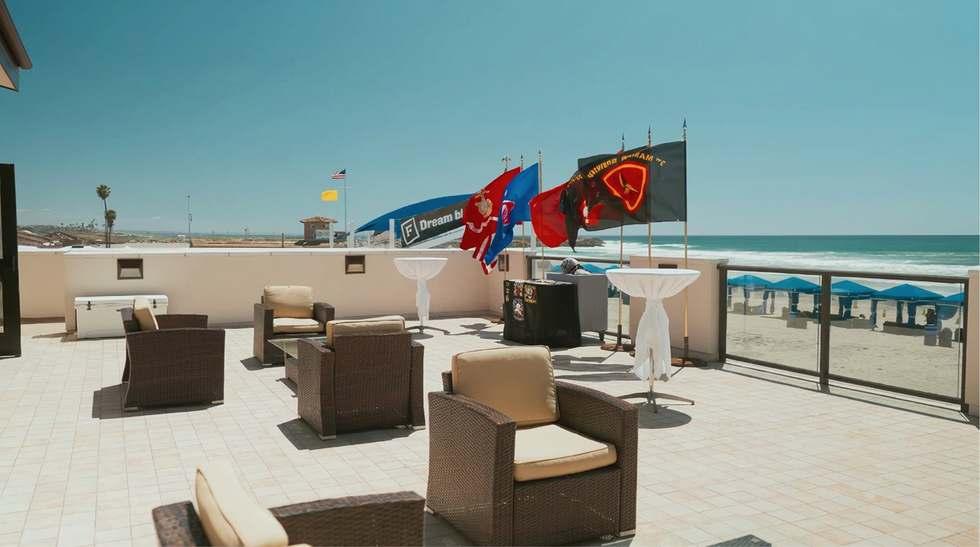
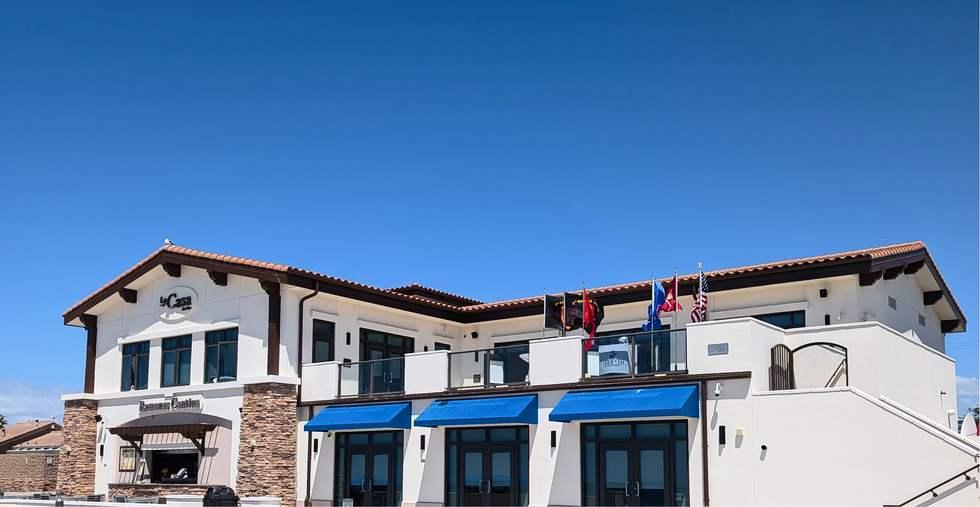
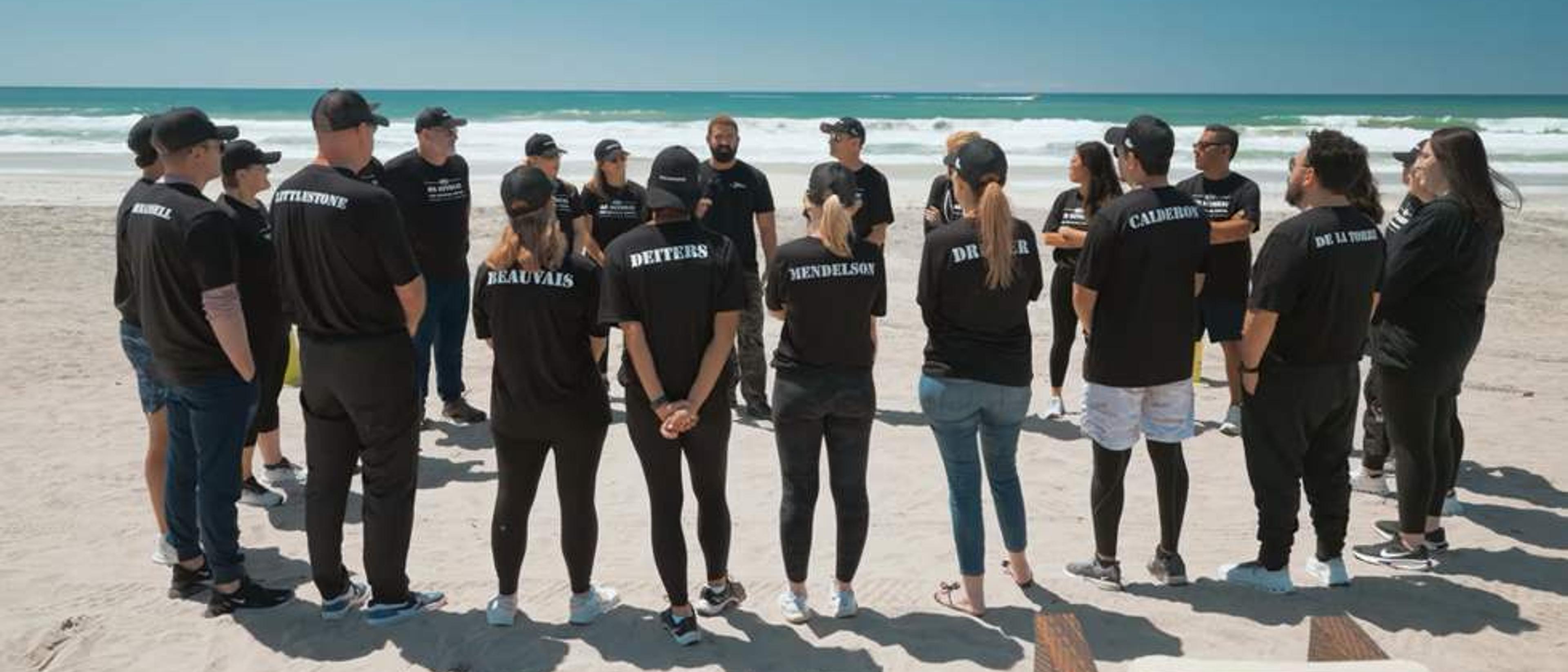
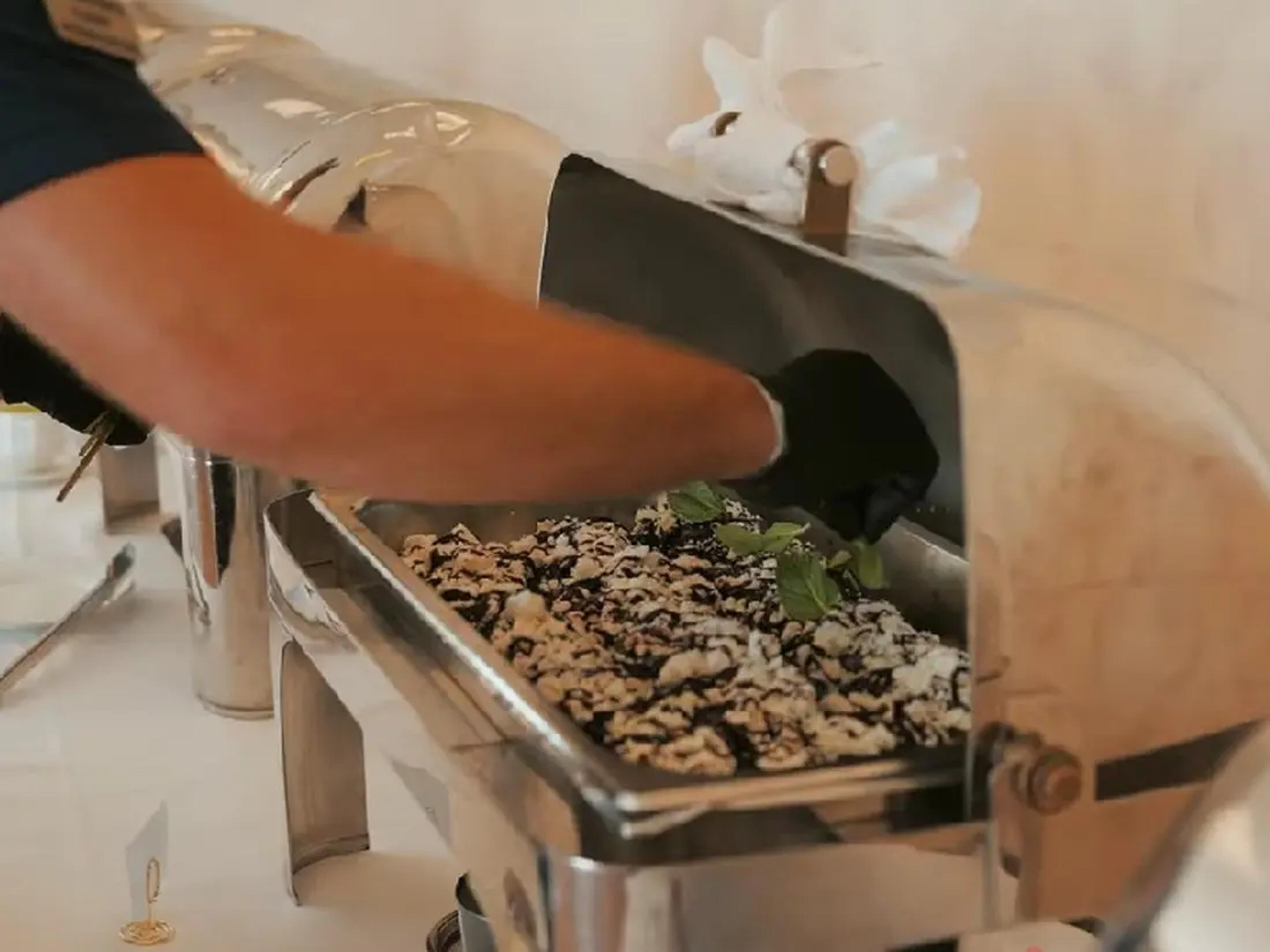
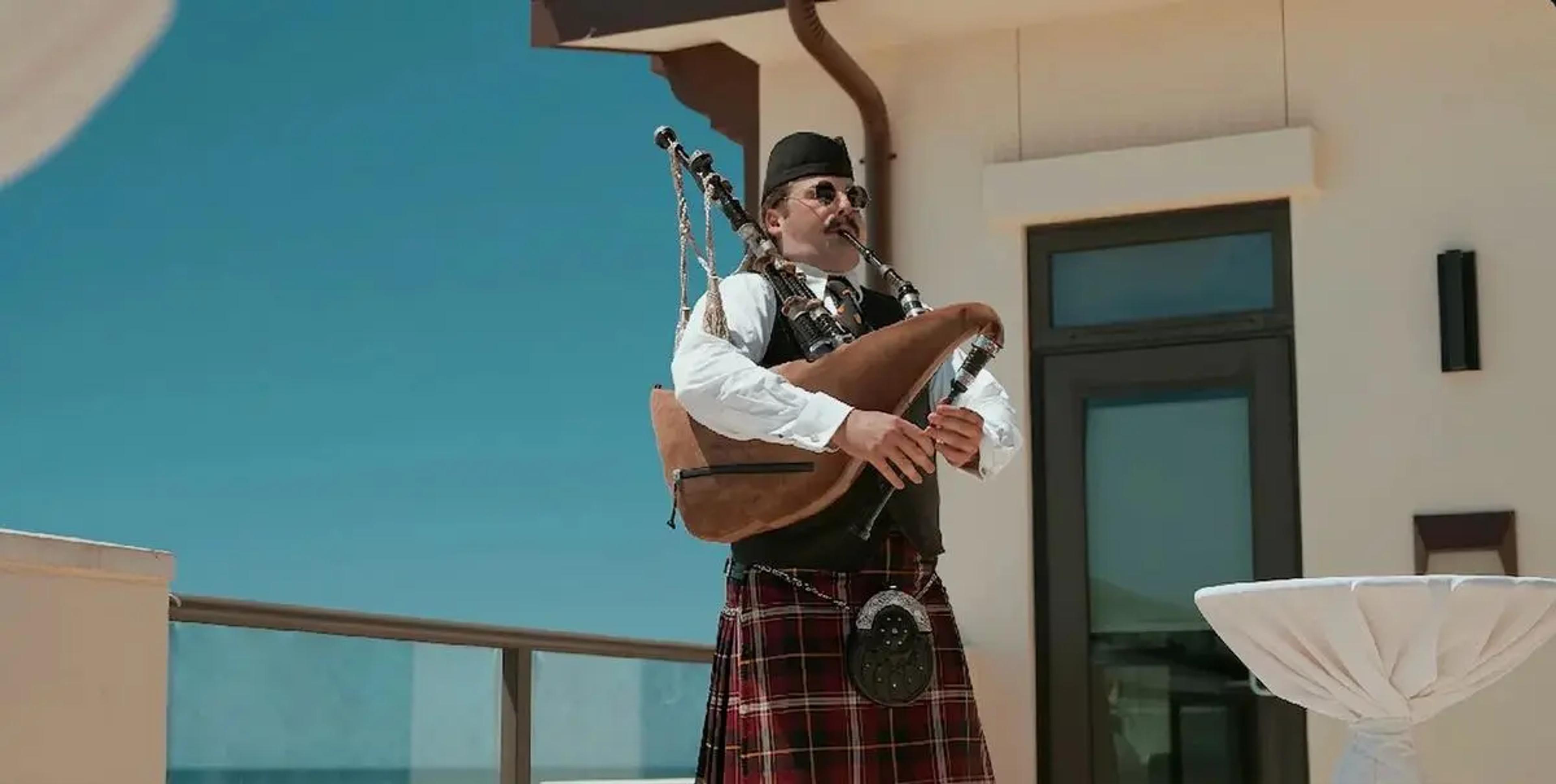
A full-day example has a clear arc: coordinated arrival and history at Iron Mike's, movement to La Casa Del Mar and Del Mar Beach, facilitated teamwork, lunch, a keynote and a closing reception on the terrace. The point is not to reproduce a military day. It is to give the group a sequence of context, shared work, reflection and hospitality in a location that feels meaningfully different from an ordinary meeting venue.
The secure installation changes the planning discipline. The attendee roster is cleared in advance, the installation sets the applicable deadline and the group follows the coordinated access and transport process. Open this workstream when the programme is selected—not after the invitation has gone out. The Camp Pendleton visitor-pass guide explains the questions organizers should resolve without promising that entry is automatic.
Experience Camp Pendleton is a commercial service operated by Urban Kitchen Hospitality / Mid Coast Supply Inc. It is not affiliated with, endorsed by or sponsored by the United States Department of Defense, the United States Marine Corps or Marine Corps Community Services. Access is controlled by the installation and subject to change.
Before you ask
Common questions
What is a realistic budget for a one-day company retreat?
For a local US retreat in 2026, use $100–$200 per person for a lean day, $200–$500 for a standard facilitated day and $500–$800+ for a premium or complex experience. Exclude salaries, flights and accommodation, and add about 10% contingency after taxes and service charges.
What should a one-day company retreat include?
Include one clear outcome, one primary shared experience, a good meal, protected breaks and a short closing session. Avoid packing the agenda with workshops or treating every minute as programmed time.
How far in advance should we book a one-day retreat?
Six to eight weeks is a practical minimum for strong local venue and catering options. Book earlier for peak dates, groups above 50, boats, beaches or unusual access. Experience Camp Pendleton also requires advance coordination for installation access and participant information.
What works for a small company retreat?
For groups of six to 20, leadership planning, cooking, sailing, a maker session or a hosted cultural day work well. Small groups should avoid formats that depend on scale and spend more of the budget on facilitation, hospitality and a clear outcome.
How do you measure whether a company retreat worked?
Measure the outcome chosen before the event. That might be a documented decision, cross-team connections, participation, useful commitments or employee feedback collected several weeks later. Attendance and same-day enjoyment are helpful signals, but they are not the whole result.
Can a one-day retreat include both work and team building?
Yes, if one purpose is dominant and the transition is deliberate. Put the decision-heavy work earlier, protect lunch, then use the shared experience to practice or reinforce a relevant behavior. Do not schedule a full meeting agenda and call the remaining hour team building.
What can we do if the retreat budget is below $100 per person?
Use company space or a public venue that does not require a buyout, bring in focused facilitation, provide a good meal and choose one low-equipment activity. Protect paid time and accessibility before spending on décor, gifts or several small attractions. A simple day still needs one outcome and a clear close.
Written by
Rene Diaz
President
Four packages
Bring your
team here.
Half a day to a full day, from a history session and lunch to both venues, beach team building and a reception on the deck.